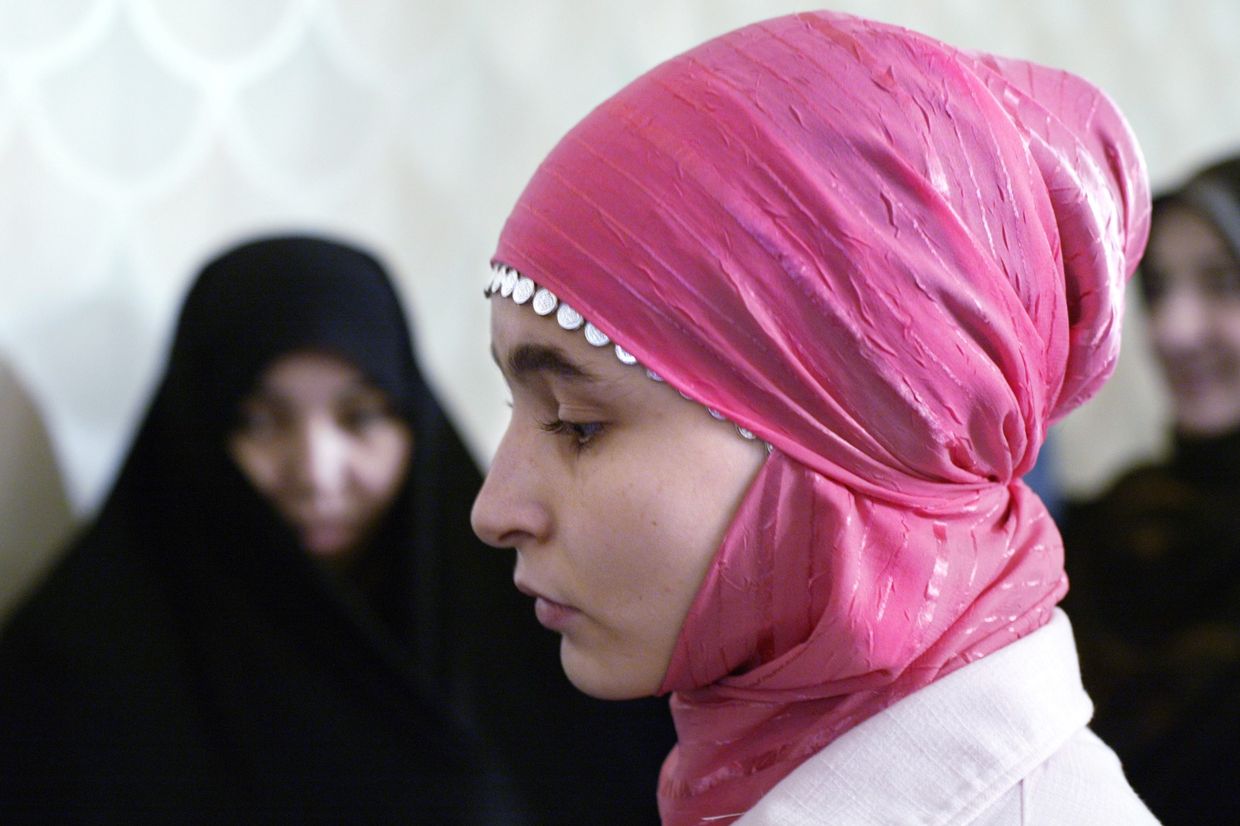
Azerbaijan’s Parliament has claimed that they were facing ‘intensified hybrid attacks’ from ‘hostile forces operating from the territory of friendly and neighboring countries’. While Friday’s statement did not reference Baku’s recent school ban on hijabs directly, a pro-Iranian hacker group named the restrictions as their motivation for a wide-reaching cyberattack on 14 October. The statement alleged that ‘hostile forces’ aim to ‘inject their disinformation into digital platforms through channels that appear independent’ and that ‘in the digital space, they are carried out by hacker groups, foreign media outlets, real and fake accounts, and bots.’ The statement came in the wake of a cyberattack on Azerbaijan’s state internet services on 14 October. A group of pro-Iranian hackers claimed responsibility for the attack, which Baku said affected 100 domains. Iran and Azerbaijan’s relationship has been historically highly fractious but with a larger ethnic Azerbaijani population than the entire population of the Republic of Azerbaijan, Tehran has previously approached its policies cautiously, as missteps could alienate the country’s largest ethnic minority. Pro-Iran hackers claim responsibility for cyberattack on Azerbaijan, citing hijab ban Azerbaijani authorities have said over 100 government domains are affected. OC Media Elizabeth McBride Amid the hijab protests, Azerbaijan’s relationship with another neighbouring country — one of its biggest allies, Turkey — has also deteriorated sharply. Though Turkey had a similar ban on hijabs in schools until 2014, Turkish President Recep Tayyip Erdoğan has fashioned himself a champion of the rights of Muslim women to openly practice their religion, including the wearing of hijabs. In his speech at the UN General Assembly in September, Erdoğan criticised restrictions on wearing hijabs in schools, calling it ‘an attack on women’s most fundamental rights’ and linking the issue to ‘Islamophobia’, which he said is ‘spreading like the plague in the West’. Erdoğan did not mention Azerbaijan by name, but many viewed the comments as being directed at Baku. On Friday, Erdoğan shared a post on X praising Turkey’s own education system. ‘Coming from a country that for years forced its own children abroad due to their attire, beliefs, or political views, our transformation today into a nation that not only provides first-class education to its own children but also attracts tens of thousands of students from abroad each year is a tremendous achievement for Turkey, the clearest symbol of the historic transformation in education’, he wrote. In recent weeks, simmering tensions between the new countries have bubbled to the surface, centred around disputes about Azerbaijan’s restrictions on religious freedom, Ankara’s distaste of Baku’s alliance with Israel, and questions over Turkish support during the Second Nagorno-Karabakh War. Some Turkish officials have claimed the deterioration is not Ankara’s intention – rather, Erdoğan’s chief advisor mirrored Azerbaijan’s claims, claiming on Thursday that unnamed forces were seeking to distance Baku from Ankara. Explainer | What’s behind the Turkey–Azerbaijan spat? A variety of tenuously connected issues have exposed a deeper divide over the unequal power dynamics between Ankara and Baku. OC Media Nate Ostiller ‘For some time, we have been witnessing events and comments with dark undertones that could cast a shadow over the national unity between Turkey and Azerbaijan’, Hasan Nuri Yaşar said. However, despite attempts to detach the government from the factors ‘that could cast a shadow’, other Turkish officials have directly criticised Azerbaijan’s new school dress code. For example, one of Yaşar’s fellow presidential advisors criticised Azerbaijan’s school dress code on 13 October. In an X post, Oktay Saral described the ban as ‘unacceptable’ and said that ‘we expect Azerbaijan to turn back from this mistake as soon as possible’.
Free: opens Google Translate with the text filled in. Long articles are split into numbered sections.
Premium: read the translation right here, without leaving HyeNews. Try free for 7 days.
Already in English.
Baku blames forces in ‘friendly and neighbouring countries’ for ‘hybrid attacks’ amid hijab protests
The statement came in the wake of a cyberattack from pro-Iranian forces and deteriorating relations with ally Turkey.
Comments
No comments yet — be the first to comment.
More from OC Media

Animal rights activists take puppies from Georgian shelter after viral video sparks outrage
OC Media / Oct 16

Podcast | Culture Takeover: Kordz on music and Georgian politics
OC Media / Oct 16
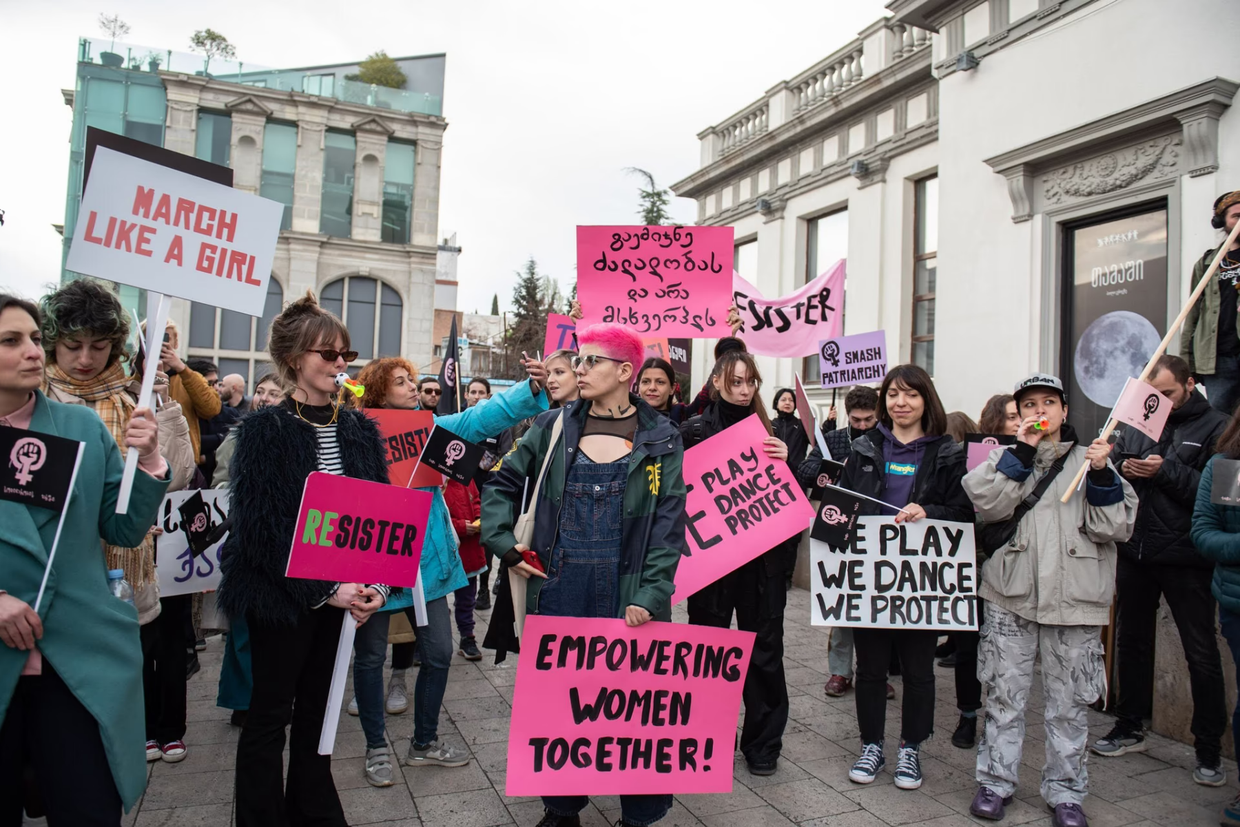
Georgia’s Public Defender to reportedly abolish department focused on gender equality
OC Media / Oct 16
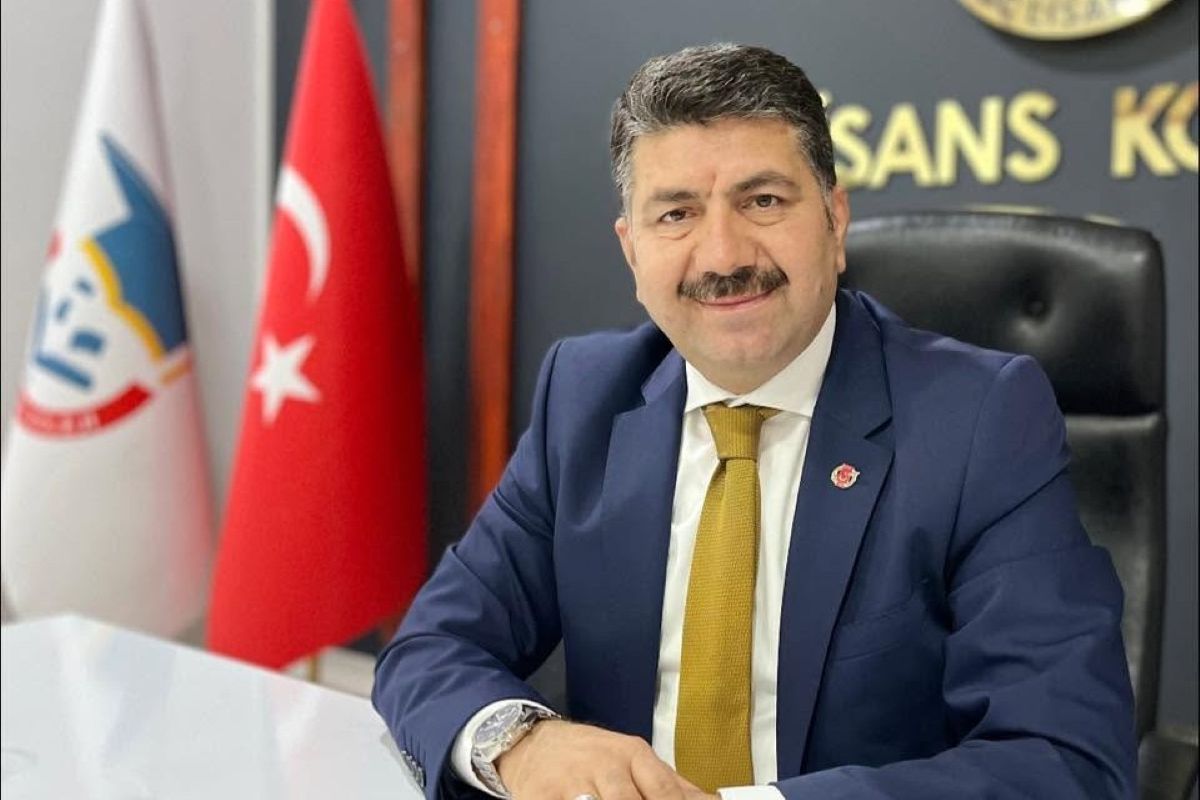
Azerbaijan opens criminal case over calls for coup, declares Turkish columnist wanted
OC Media / Oct 16
Related coverage

Եկեղեցին վտանգի տակ է, իրենք ծառատունկ են անում #abcmedia #abcինտերվյու
ABC Media / 1 hour ago

Աստված հեռո՞ւ է, թե՞ մոտ
168 Jham / 10 hours ago

Եթե կարելի էր հասնել Զվարթնոց, հապա ինչո՞ւ չայցելել Մայր Աթոռ Սուրբ Էջմիածին․ Ասողիկ աբեղա Կարապետյան
Aravot / 14 hours ago
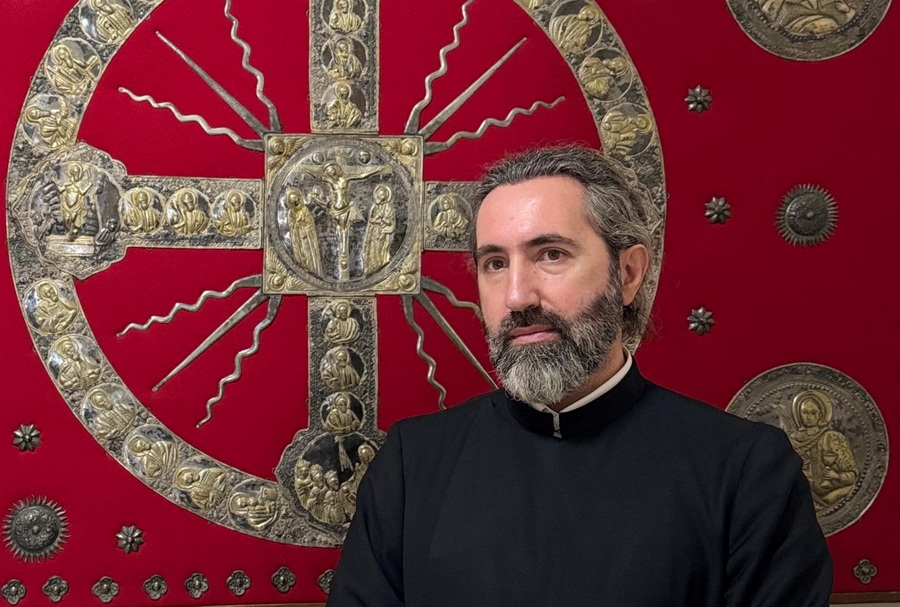
Եթե կարելի էր հասնել Զվարթնոց, ինչո՞ւ չայցելել Մայր Աթոռ․ Հայր Ասողիկ
ABC Media / 14 hours ago