Showing in English.
5 full-article translations/day — headlines & summaries always free. Create free account for 25/day
Judges' responsibility for political persecution and unfair verdicts: political scientist
Դատավորների պատասխանատվությունը քաղաքական հետապնդումների և անարդար դատավճիռների համար.
քաղաքագետ
Political scientist Stepan Danielyan: Political trials are underway in Armenia, for which ...
Քաղաքագետ Ստեփան Դանիելյան․ Հայաստանում ընթանում են քաղաքական դատավարություններ, որոնց համար ...
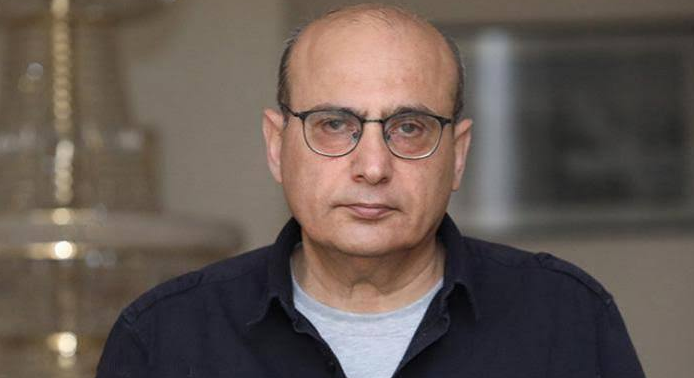
Political scientist Stepan Danielyan: Political trials are underway in Armenia, for which the political authorities are criticized, but do judges have a share of responsibility, and if so, how will they be held accountable?
Քաղաքագետ Ստեփան Դանիելյան․ Հայաստանում ընթանում են քաղաքական դատավարություններ, որոնց համար քննադատվում է քաղաքական իշխանությունն, իսկ արդյոք դատավորներն ունեն պատասխանատվության բաժին, և եթե ունեն, ապա ինչպես են ենթարկվելու այդ պատասխանատվությանը։
Ultimately, judges make political decisions.
Վերջին հաշվով դատավորներն են քաղաքական վճիռներ կայացնում։
France, 1944–1950s.
Ֆրանսիա, 1944–1950-ական թվականներ։
After World War II and the liberation of France, the study of the activities of state officials, including judges, who collaborated with the Vichy regime began.
Երկրորդ համաշխարհային պատերազմից և Ֆրանսիայի ազատագրումից հետո սկսվեց Վիշիի ռեժիմի հետ համագործակցած պետական պաշտոնյաների, այդ թվում՝ դատավորների գործունեության ուսումնասիրությունը։
Out of approximately 3,000 judges, 265 were subjected to official disciplinary sanctions.
Մոտ 3000 դատավորներից 265-ը ենթարկվել են պաշտոնական կարգապահական պատժամիջոցների։
165 of them were dismissed from the judiciary or forced into retirement.
Նրանցից 165-ը հեռացվել են դատական համակարգից կամ հարկադրված անցել թոշակի։
Other estimates, including additional measures, indicate 300–400 punished judicial employees.
Այլ գնահատականներում, ներառյալ լրացուցիչ միջոցները, նշվում է 300–400 պատժված դատական աշխատակից։
On August 27, 1941, a special department of the Paris Court of Appeal sentenced three communist resistance fighters to death in accordance with the demands of the German occupation authorities.
1941 թվականի օգոստոսի 27-ին Փարիզի վերաքննիչ դատարանի հատուկ բաժինը մահապատժի դատապարտեց երեք կոմունիստ դիմադրության մարտիկների՝ գերմանական օկուպացիոն իշխանությունների պահանջներին համապատասխան։
The peculiarity of the case was that a law with retroactive effect was applied to acts committed in the past.
Գործի առանձնահատկությունն այն էր, որ կիրառվել էր հետադարձ ուժով գործող օրենք՝ նախկինում կատարված արարքների համար։
After the liberation of France, the conduct of the judges in this case was investigated by a special commission for the purification of the judiciary.
Ֆրանսիայի ազատագրումից հետո այդ գործով դատավորների վարքագիծը քննվեց դատական համակարգի մաքրման հատուկ հանձնաժողովի կողմից։
The names of these judges are etched in history.
Այդ դատավորների անունները դաջվել են պատմության մեջ։
Benon, president of the special section, Cottin, judge, Baffos, judge.
Բենոն (Benon)՝ հատուկ բաժնի նախագահ, Կոտեն (Cottin)՝ դատավոր, Բաֆոս (Baffos)՝ դատավոր։
Those who had participated in the death sentences were dismissed from the judiciary without the right to a pension.
Նրանք, որոնք մասնակցել էին մահապատժի դատավճիռներին, հեռացվեցին դատական համակարգից՝ առանց կենսաթոշակի իրավունքի։
The other judges were subject to various sanctions, taking into account their conduct and position in the case.
Մյուս դատավորների նկատմամբ կիրառվեցին տարբեր պատժամիջոցներ՝ հաշվի առնելով նրանց վարքագիծը և տվյալ գործով դիրքորոշումը։
Germany Otto Jürgens was convicted in 1993 of abuse of judicial power and unlawful deprivation of liberty.
Գերմանիա Օտտո Յուրգենսը (Otto Jürgens) 1993 թվականին դատապարտվեց դատական իշխանության չարաշահման և մարդկանց ազատությունից ապօրինի զրկելու համար։
He received a two-year suspended sentence and was ordered to pay a fine of 6,000 German marks to an organization of victims of Stalinist persecution.
Նա ստացավ երկու տարվա պայմանական ազատազրկում և պարտավորվեց 6000 գերմանական մարկ վճարել որպես տուգանք՝ կապված ստալինյան հետապնդումներից տուժած անձանց կազմակերպության օգտին։
The Waldheim cases were later found to be incompatible with the fundamental principles of the rule of law, and victims were given the opportunity to seek redress and compensation.
Վալդհայմի գործերով դատավճիռները հետագայում ճանաչվեցին իրավական պետության հիմնարար սկզբունքներին անհամատեղելի, և տուժածները հնարավորություն ստացան դիմելու վերականգնման ու փոխհատուցման մեխանիզմներին։
Chile, 1973-1990.
Չիլլի, 1973-1990 թթ.
During the Augusto Pinochet regime, which came to power in 1973, military courts handed down death sentences and prison sentences to political opponents.
1973 թվականին իշխանության եկած Աուգուստո Պինոչետի ռեժիմի օրոք զինվորական դատարանները կայացնում էին մահապատժի և ազատազրկման դատավճիռներ քաղաքական հակառակորդների նկատմամբ։
Civilian courts frequently rejected habeas corpus petitions filed by relatives of disappeared persons.
Քաղաքացիական դատարանները բազմաթիվ դեպքերում մերժում էին անհետացած անձանց հարազատների ներկայացրած habeas corpus՝ անձի ազատությունից ապօրինի զրկման դեմ իրավական պաշտպանության դիմումները։
It later emerged that some of these rejections had hindered the discovery of the fate of the disappeared and the prosecution of those responsible.
Հետագայում պարզ դարձավ, որ այդ մերժումներից մի քանիսը խոչընդոտել էին անհետացած մարդկանց ճակատագրի բացահայտմանը և պատասխանատուներին պատասխանատվության ենթարկելուն։
This behavior of the Chilean judiciary has also been examined as an issue of possible judicial complicity in the crimes of the dictatorship.
Չիլիի դատական համակարգի այդ վարքագիծը ուսումնասիրվել է նաև որպես բռնապետության հանցագործություններին դատական իշխանության հնարավոր մասնակցության խնդիր։
In subsequent years, Chilean judges convicted numerous former military personnel, regime officials, and judges of the time for serious human rights violations.
Հետագա տարիներին չիլիացի դատավորները բազմաթիվ նախկին զինվորականներին, ռեժիմի պաշտոնյաներին և այդ ժամանակվա դատավորներին դատապարտեցին մարդու իրավունքների ծանր խախտումների համար։
This is seen as a change in the judicial system's attitude towards its own past.
Սա դիտարկվում է որպես դատական համակարգի՝ սեփական անցյալի նկատմամբ վերաբերմունքի փոփոխություն։
—- What lesson do these examples teach?
—- Ի՞նչ դաս են տալիս այս օրինակները։
Even years later, it is possible to hold a judge legally accountable for using his position to commit an illegal imprisonment.
Տարիներ անց անգամ հնարավոր է իրավական պատասխանատվության ենթարկել այն դատավորին, որն իր պաշտոնն օգտագործել է ապօրինի ազատազրկման համար։
The post Judges' Responsibility for Political Persecution and Unjust Sentences: Political Scientist appeared first on 24News.
The post Դատավորների պատասխանատվությունը քաղաքական հետապնդումների և անարդար դատավճիռների համար.
քաղաքագետ appeared first on 24News .
Comments
No comments yet — be the first to comment.
More from 24TV / 24News

Trump did not rule out the possibility of involving Turkey in operations against Yemen's Houthis
24TV / 24News / 4 hours ago
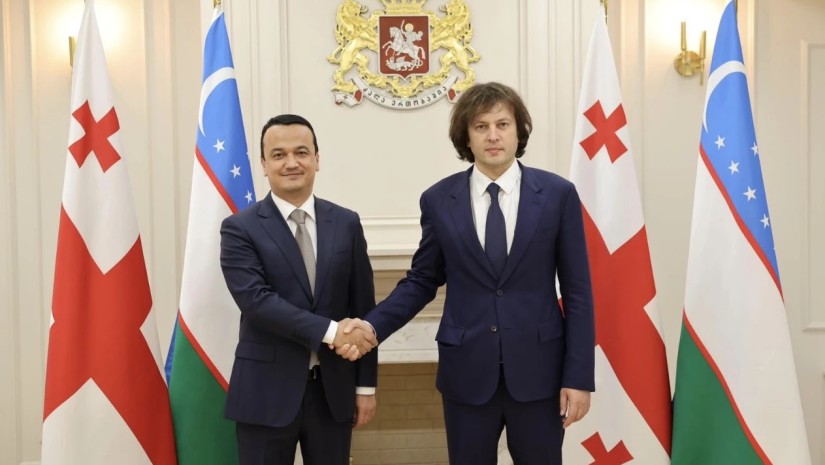
Georgia and Uzbekistan discussed opportunities for expanding trade and economic cooperation
24TV / 24News / 4 hours ago
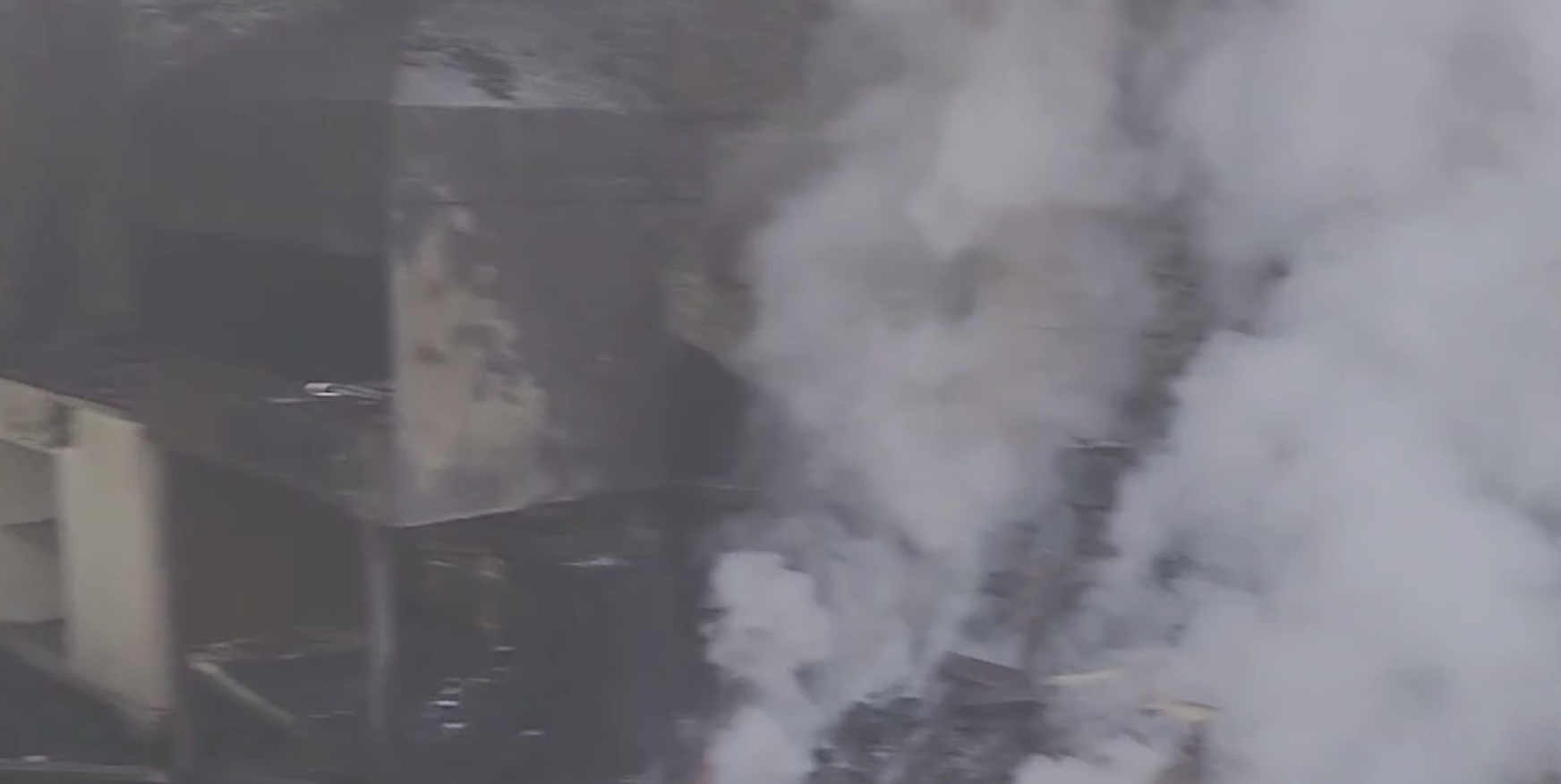
Fire in Nor Aresh: a pile of wood and wooden roof structures burned
24TV / 24News / 4 hours ago
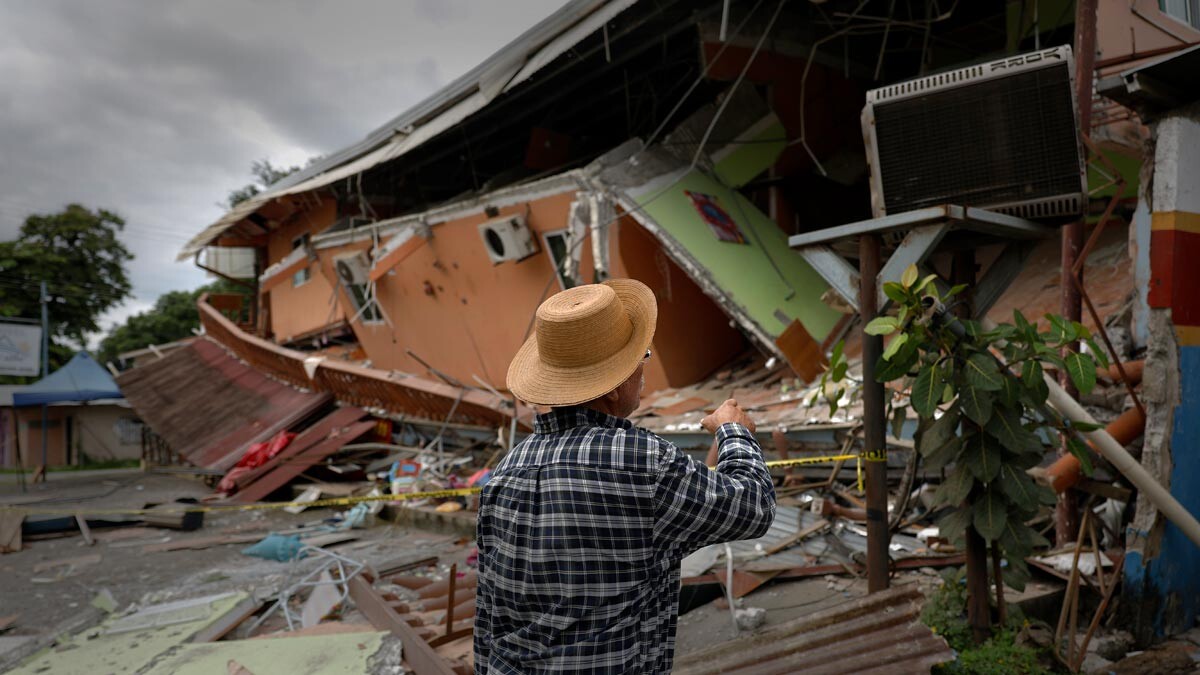
A 6.9 magnitude earthquake has been recorded in the central Atlantic Ocean
24TV / 24News / 4 hours ago
Related coverage

The National Assembly is discussing the issues of those forcibly displaced from Artsakh. LIVE
Aravot / 40 minutes ago

The CP discusses the issues of Artsakh residents, limiting the opposition's participation #live
Pastinfo / 1 hour ago
NA deputies and government members meet with Artsakh residents #live
Pastinfo / 1 hour ago

LIVE: Artsakh residents met with government members and CP members
Aysor.am / 2 hours ago