Showing in English.
5 full-article translations/day — headlines & summaries always free. Create free account for 25/day
The regression of Armenian diplomacy: Dialogue with Turkey 17 years after Zurich
Հայկական դիվանագիտության հետընթացը.
Թուրքիայի հետ երկխոսությունը Ցյուրիխից 17 տարի անց
Within the framework of the Zurich process, Armenia managed to maintain its position and avoid concessions on a number of fundamental issues on the path to establishing relations with Turkey, which cannot be said about the current stage of negotiations.
Ցյուրիխի գործընթացի շրջանակներում Հայաստանին հաջողվեց պահպանել իր դիրքորոշումը և Թուրքիայի հետ հարաբերությունների հաստատման ճանապարհին խուսափել զիջումներից մի շարք հիմնարար հարցերում, ինչը չի կարելի ասել բանակցությունների ներկայիս փուլի մասին։

YEREVAN, October 12 – Sputnik.
ԵՐԵՎԱՆ, 12 հոկտեմբերի – Sputnik.
In Armenian-Turkish relations, today's Armenian diplomacy has no comparison with the Zurich protocols, it is regressing.
Հայ-թուրքական հարաբերություններում այսօրվա Հայաստանի դիվանագիտությունը ոչ մի համեմատություն չունի ցյուրիխյան արձանագրությունների հետ, այն հետընթաց է ապրում։
In an interview with Sputnik Armenia, Dean of the Faculty of Oriental Studies of Yerevan State University, Turkologist Ruben Melkonyan expressed such an opinion.
Sputnik Արմենիայի հետ զրույցում նման տեսակետ է հայտնել ԵՊՀ արևելագիտության ֆակուլտետի դեկան, թուրքագետ Ռուբեն
Recently, the 17th anniversary of the signing of the protocols aimed at normalizing relations between Armenia and Turkey in Zurich in 2009 (October 10) was celebrated.
Օրերս լրացավ Ցյուրիխում 2009
After the signing of the documents, Turkey refused to ratify the protocols, after which, by a decree of the then President of the Republic of Armenia Serzh Sargsyan, the ratification process of the signed protocols was suspended.
-ին (հոկտեմբերի 10–ին) Հայաստանի և Թուրքիայի միջև հարաբերությունների կարգավորմանը միտված արձանագրությունների ստորագրման
In 2015, by another presidential decree, the Armenian-Turkish protocols were recalled from the National Assembly.
Փաստաթղթերի ստորագրումից հետո Թուրքիան հրաժարվեց վավերացնել արձանագրությունները, ինչից հետո, ՀՀ այն ժամանակվա նախագահ Սերժ Սարգսյանի հրամանագրով կասեցվեց ստորագրված արձանագրությունների վավերացման գործընթացը։
Diplomacy is not only the final result, but also the process.
2015 թվականին, նախագահի մեկ այլ հրամանագրով, հայ-թուրքական արձանագրությունները հետ կանչվեցին Ազգային ժողովից:Դիվանագիտությունը ոչ միայն վերջնական արդյունքն է, այլև գործընթացը։
The Turkologist emphasizes that at that time Armenia managed to establish a certain level of dialogue with world powers: the USA, Russia and European countries.
Թուրքագետն ընդգծում է` այն ժամանակ Հայաստանին հաջողվեց որոշակի մակարդակի երկխոսություն հաստատել համաշխարհային տերությունների՝ ԱՄՆ-ի, Ռուսաստանի և եվրոպական երկրների հետ։
In this context, the tension over Artsakh was somewhat subdued.
Այս համատեքստում որոշակի չափով զսպված էր Արցախի շուրջ
“Now that Armenian and Turkish negotiators are sitting at the same table, I am simply looking with horror at what experienced diplomats are sitting on the Turkish side, and who are sitting on the Armenian side.
«Հիմա երբ մեկ սեղանի շուրջ նստում են հայ և թուրք բանակցողները, ես ուղղակի սարսափով եմ նայում, թե թուրքական կողմից ինչ փորձառու դիվանագետներ են նստած, և ովքեր են նստած հայկական կողմից։
It is the same as if there were “Real Madrid” on one side, and some backyard team on the other.
Դա նույնն է, թե մի կողմից «Ռեալ Մադրիդը» լինի, մյուս կողմից` ինչ–որ բակային թիմ։
We can already assume what the result of the game will be,” says Melkonyan.
Թե խաղն ինչ արդյունքով կավարտվի, արդեն կարելի է ենթադրել»,– ասում է
Today’s Armenian-Turkish meetings, in his assessment, are more reminiscent of an imitation, the participants of which themselves know that they are talking about nothing behind closed doors and that it will not yield any results.
Այսօրվա հայ–թուրքական հանդիպումները, նրա գնահատմամբ, ավելի շատ իմիտացիա են հիշեցնում, որի մասնակիցներն իրենք էլ գիտեն, որ փակ դռների հետևում խոսում են ոչ մի բանի մասին, և որը ոչ մի արդյունք չի տալու։
And the settlement process, according to him, is stalling.
Իսկ կարգավորման գործընթացը, նրա խոսքով, դոփում է
“They are constantly talking about renovating the historical bridge in Ani.
«Անընդհատ խոսում են Անիի պատմական կամուրջը վերանորոգելու մասին։
It is a historical bridge.
Դա պատմական կամուրջ է։
No one can say anything negative about it.
Որևէ մեկը դրա մասին բացասական բան չի կարող ասել։
But it is not a logistical path for the 21st century.
Բայց դա 21-րդ դարի համար լոգիստիկ ճանապարհ չէ։
"It is a symbolic step, the constant talk about which already shows that there is nothing serious," Melkonyan claims.
Սիմվոլիկ քայլ է, որի մասին անընդհատ խոսելն արդեն ցույց է տալիս, որ որևէ լուրջ բան չկա»,– պնդում է
Going back 17 years, the Turkologist notes that years later, a number of participants in the process openly stated that even then they believed that the process would hardly lead to the opening of the Armenian-Turkish border or the establishment of diplomatic relations between the two countries.
17 տարի հետ գնալով` թուրքագետը նկատում է, որ տարիներ անց գործընթացի մի շարք մասնակիցներ բացահայտ հայտարարել են, որ այն ժամանակ էլ հավատացած էին, որ գործընթացը հազիվ թե հանգեցնի հայ–թուրքական սահմանի բացմանը կամ երկու երկրների միջև դիվանագիտական հարաբերություների հաստատմանը։
The ultimate goal of the Zurich Protocols or football diplomacy, according to Melkonyan, was the activation of the Armenia-Turkey dialogue, which could directly or indirectly contribute to the weakening or postponement of the escalation in the Artsakh issue.
Ցյուրիխյան արձանագրությունների կամ ֆուտբոլային դիվանագիտության գերնպատակը, Մելքոնյանի խոսքով, եղել է Հայաստան–Թուրքիա երկխոսության ակտիվացումը, որն ուղղակի կամ անուղղակի կերպով կարող էր նպաստել Արցախյան հարցում էսկալացիայի թուլացմանը կամ
"In parallel with the Armenian-Turkish dialogue, Turkish-Azerbaijani relations were worsening, and Turkey did not have such an open opportunity to get involved in the Artsakh conflict, not only diplomatically, but even more so militarily.
«Հայ–թուրքական երկխոսությանը զուգահեռ սրվում էին թուրք–ադրբեջանական հարաբերությունները, և Թուրքիան առնվազն այսքան բացահայտ հնարավորություն չէր ունենում ընդգրկվելու Արցախյան հակամարտության մեջ` ոչ միայն դիվանագիտական, ոչ էլ առավել ևս ռազմական առումով։
"In other words, this dialogue process was one of the achievements of diplomacy itself," Melkonyan records.
Այսինքն` այս երկխոսության պրոցեսն ինքնի դիվանագիտության ձեռքբերումներից մեկն էր»,– արձանագրում է
The Turkologist also emphasizes the fact that as a result of this process, Armenia was able to gain experience in communicating with skilled Turkish diplomacy and get to know the handwriting of Turkish diplomacy more closely, as well as understand the peculiarities of Turkish policy.
Թուրքագետը նաև կարևորում է այն հանգամանքը, որ այդ գործընթացի արդյունքում Հայաստանը կարողացավ թուրքական հմուտ դիվանագիտության հետ շփման փորձառություն ձեռք բերել և ավելի մոտիկից ճանաչել թուրքական դիվանագիտության ձեռագիրը, նաև հասկանալ Թուրքիայի քաղաքականության
And the Turkologist considers the most important circumstance in the process of normalizing Armenian-Turkish relations in 2008-09 to be that, unlike the processes taking place today, Armenia was able to maintain its positions, not to make any concessions, neither on the recognition of the Genocide, nor on the issue of Artsakh.
Իսկ ամենակարևոր հանգամանքը 2008-09թթ–ի հայ-թուրքական հարաբերությունների կարգավորման պրոցեսում թուրքագետը համարում է այն, որ, ի տարբերություն այսօր տեղի ունեցող պրոցեսների, Հայաստանը կարողացավ պահպանել իր դիրքերը, չգնալ որևէ զիջման` ո՛չ Ցեղասպանության ճանաչման, ո՛չ էլ Արցախի
Ruben Melkonyan attributes the regression of Armenian diplomacy in Armenian-Turkish relations not only to political realities, but also to the change in the team of diplomats participating in them from Armenia.
Հայ–թուրքական հարաբերություններում հայկական դիվանագիտության հետընթացը Ռուբեն Մելքոնյանը վերագրում է ոչ միայն քաղաքական իրողությունների, այլև Հայաստանի կողմից դրանց մասնակցող դիվանագետների թիմի
Let us recall that the new stage of normalizing Armenian-Turkish relations started 6 years after the termination of the Zurich Protocols process, at the end of 2021, when the relations of the two countries In order to resolve the issue, special representatives of Armenia and Turkey, then Deputy Speaker of the National Assembly of the Republic of Armenia Ruben Rubinyan and Ambassador Serdar Kilic, were appointed.
Հիշեցնենք, որ հայ-թուրքական հարաբերությունների կարգավորման նոր փուլը մեկնարկեց ցյուրիխյան արձանագրությունների գործընթացի դադարեցումից 6 տարի անց` 2021 թվականի վերջին, երբ երկու երկրների հարաբերությունները կարգավորելու նպատակով Հայաստանի և Թուրքիայի հատուկ ներկայացուցիչներ նշանակվեցին այն ժամանակ ՀՀ ԱԺ նախագահի տեղակալ Ռուբեն Ռուբինյանը և դեսպան Սերդար Քըլըչը: Նրանք նախ հանդիպեցին Մոսկվայում, Վիեննայում, ապա Հայաստան-Թուրքիա սահմանի Մարգարա-Ալիջան անցակետում։
They first met in Moscow, Vienna, and then at the Margara-Alijan checkpoint on the Armenia-Turkey border.
Իսկ 7-րդ և առայժմ վերջին հանդիպումը տեղի ունեցավ 2026 թվականի մայիսի 5-ին, Երևանում, Երևանյան երկխոսություն» համաժողովի շրջանակում։
The 7th and so far the last meeting took place on May 5, 2026, in Yerevan, within the framework of the "Yerevan Dialogue" conference.
Comments
No comments yet — be the first to comment.
More from Sputnik Armenia

Peskov hopes his daughter will become an Olympic champion.
Sputnik Armenia / 27 minutes ago

Massive Ukrainian drone attacks on Stavropol and Moscow: what is known so far
Sputnik Armenia / 55 minutes ago

Did an Azerbaijani soldier pass by the positions of the Armed Forces or border troops? The Armenian National Security Service has not commented.
Sputnik Armenia / 1 hour ago
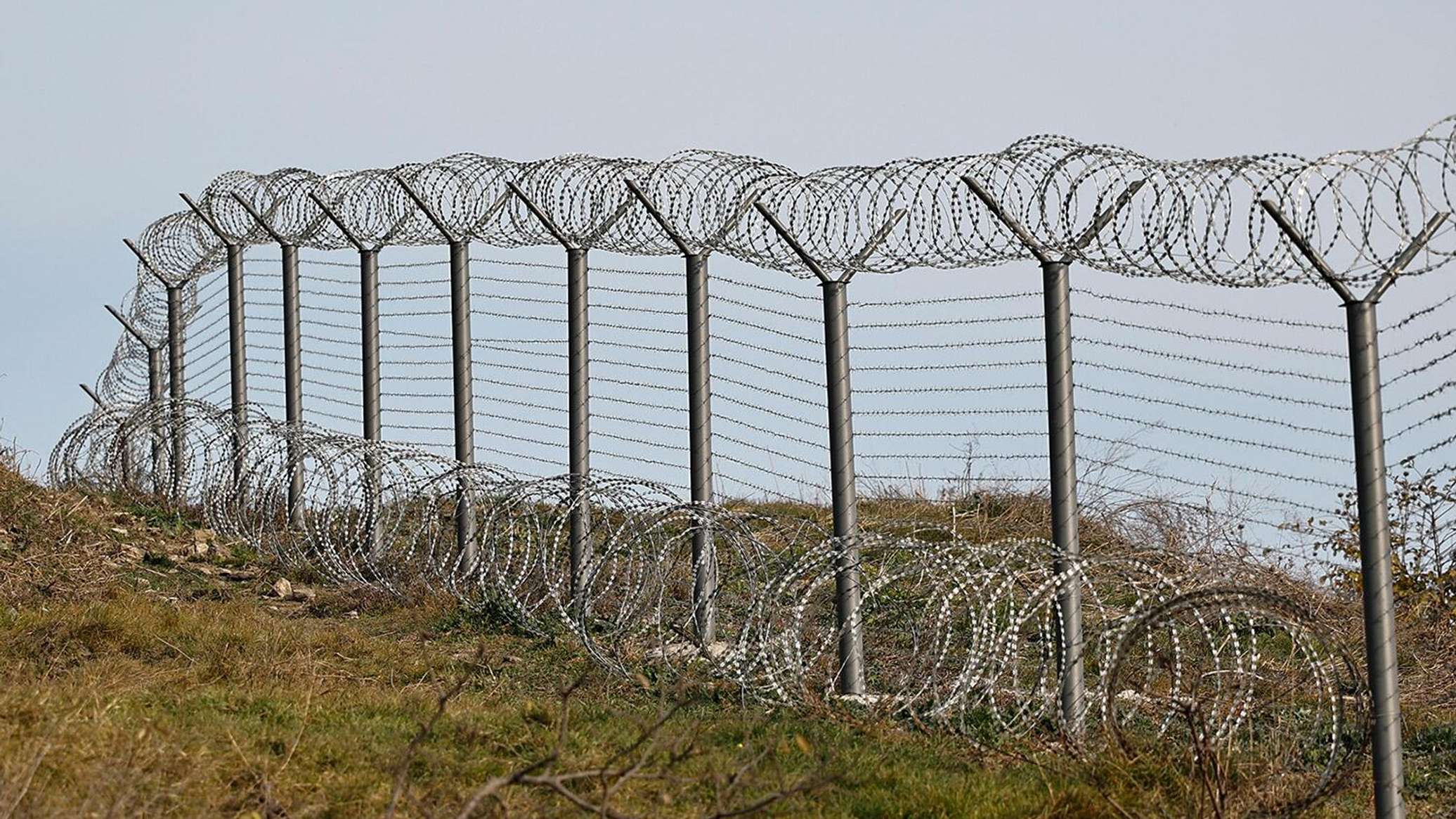
Did the Azerbaijani pass by the positions of the Armed Forces or the border guards? The National Security Service does not comment.
Sputnik Armenia / 1 hour ago
Related coverage
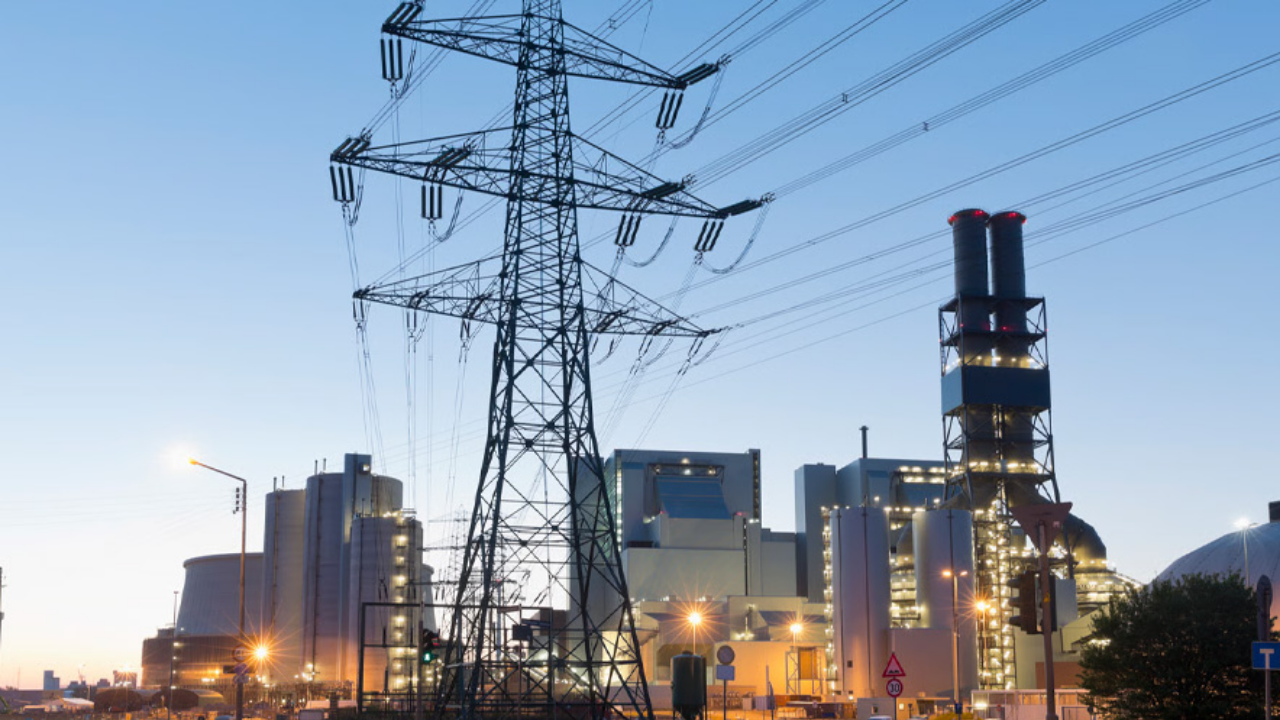
Turkey and three Arab countries discuss major power project
Ermenihaber / 20 minutes ago
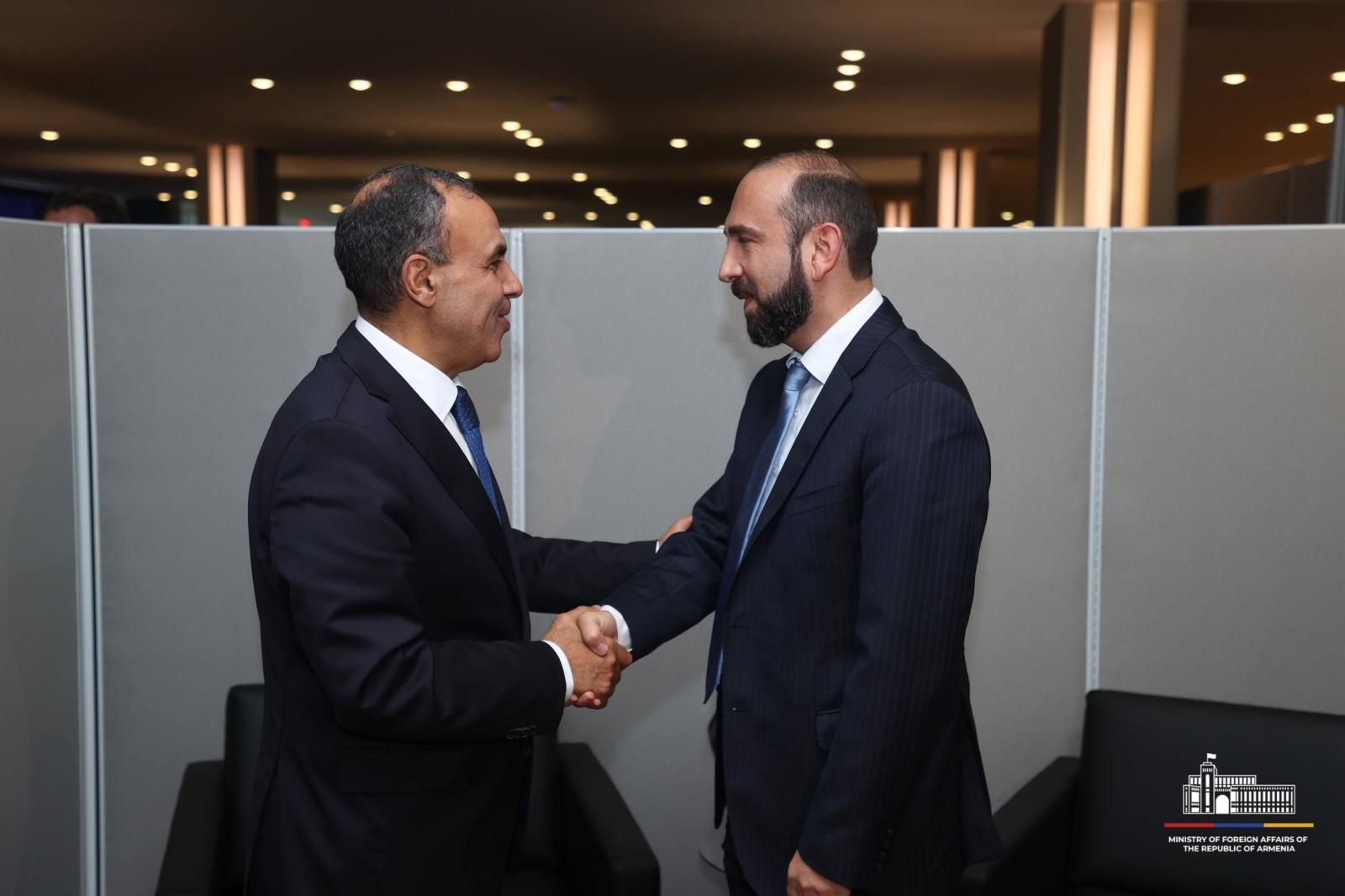
The foreign ministers of Armenia and Egypt discussed the region and bilateral cooperation.
Ermenihaber / 36 minutes ago
On this day, the stars advise balancing practical diplomacy with long-term financial stability.
ArmLur / Zhoghovurd / 1 hour ago
The Secretaries General of the Foreign Ministries of Armenia and France discussed cooperation in the fields of international trade and diplomatic education.
1in.am / 9 hours ago