Showing in English.
5 full-article translations/day — headlines & summaries always free. Create free account for 25/day
Do drug dealers and thieves in law have political patrons?
Թմրանյութ վաճառողները և օրենքով գողերն ունե՞ն քաղաքական հովանավորներ․ զրույց նախկին փոխոստիկանապետի հետ.
A conversation with a former deputy police chief.
ՏԵՍԱՆՅՈՒԹ
VIDEO
Former Deputy Chief of Police of the Republic of Armenia, lawyer Hovhannes Kocharyan, in an interview with Factor TV, touched upon the cases of deaths in the army in peaceful conditions, the prevalence of criminal subculture, illegal drug trafficking, and problems of the law enforcement system.
ՀՀ նախկին փոխոստիկանապետ, փաստաբան Հովհաննես Քոչարյանը Factor TV-ի հետ զրույցում անդրադարձել է բանակում խաղաղ պայմաններում մահվան դեպքերին, քրեական ենթամշակույթի տարածվածությանը, թմրամիջոցների ապօրինի շրջանառությանը և իրավապահ համակարգի խնդիրներին։
Speaking about the cases of deaths registered in the army in non-combat conditions (15 cases in 9 months), Hovhannes Kocharyan noted that the basis of the problem lies in the lack of a unified security culture and a nationwide ...
Խոսելով բանակում ոչ մարտական պայմաններում գրանցված մահվան դեպքերի մասին (9 ամսվա ընթացքում 15 դեպք)՝ Հովհաննես Քոչարյանը նշել է, որ խնդրի հիմքում ընկած է անվտանգային միասնական մշակույթի և համապետական …

Former Deputy Chief of Police of the Republic of Armenia, lawyer Hovhannes Kocharyan, in an interview with Factor TV, touched upon the cases of deaths in the army in peaceful conditions, the prevalence of criminal subculture, illegal drug trafficking, and the problems of the law enforcement system.
ՀՀ նախկին փոխոստիկանապետ, փաստաբան Հովհաննես Քոչարյանը Factor TV -ի հետ զրույցում անդրադարձել է բանակում խաղաղ պայմաններում մահվան դեպքերին, քրեական ենթամշակույթի տարածվածությանը, թմրամիջոցների ապօրինի շրջանառությանը և իրավապահ համակարգի խնդիրներին։
Speaking about the cases of deaths registered in the army in non-combat conditions (15 cases in 9 months), Hovhannes Kocharyan noted that the basis of the problem lies in the absence of a unified security culture and a national program.
Խոսելով բանակում ոչ մարտական պայմաններում գրանցված մահվան դեպքերի մասին (9 ամսվա ընթացքում 15 դեպք)՝ Հովհաննես Քոչարյանը նշել է, որ խնդրի հիմքում ընկած է անվտանգային միասնական մշակույթի և համապետական ծրագրի բացակայությունը։
“How many times have you heard that there is a nationally approved program with its responsible persons related to the prevention of suicides in the army?
«Դուք քանի՞ անգամ եք լսել, որ բանակում ինքնասպանությունների կանխման հետ կապված կա համապետական հաստատված ծրագիր իր պատասխանատուներով։
We don’t have one, do we?
Մենք չունենք, չէ՞, կարծես։
And why don’t we have one?
Իսկ ինչո՞ւ չունենք։
So, those are to blame, first of all, who should have introduced this institution of political responsibility and did not.
Ուրեմն մեղավոր են նրանք, առաջին հերթին, ովքեր քաղաքական այս պատասխանատվության ինստիտուտը պիտի ներդնեին ու չեն ներդրել։
Second, those guilty of violations are to blame, specifically officials, officers, and servicemen, whose illegal actions incite people to commit suicide,” the former deputy chief of police emphasized.
Երկրորդ՝ մեղավոր են իրավախախտումների մեջ մեղավորները, կոնկրետ պաշտոնատար անձինք, սպաներ, զինծառայողներ, ում հակաիրավական գործողությունների պատճառով անձանց դրդում են ինքնասպանության»,- ընդգծել է նախկին փոխոստիկանապետը։
Referring to the observation that statutory relations in the army are often replaced by the institution of “yakhshi” (privileged) to manage the army, Kocharyan responded: “You have already diagnosed that probably 80% of the reasons come from this.
Անդրադառնալով այն դիտարկմանը, թե բանակում կանոնադրական հարաբերությունները հաճախ փոխարինվում են «յախշիների» (արտոնյալների) ինստիտուտով՝ զորքը կառավարելու համար, Քոչարյանն արձագանքել է.
Well, in your opinion, if that is the reason, then is it an unsolvable problem?
«Դուք արդեն ախտորոշեցիք պատճառների երեւի 80%-ը դրանից է գալիս։
It is a very easily solved problem.
Լավ, ձեր կարծիքով, եթե պատճառը դա է, ուրեմն դա անլուծելի՞ խնդիր է.
Officer, cadre… They need to be replaced, the root of the evil must be uprooted and replaced with truly trained and qualified personnel.”
շատ հեշտ լուծելի խնդիր է։
He added that it is easy to achieve preventive results in regime facilities, since any level of control can be established.
Սպայական, կադրային… Նրանց պետք է փոխարինել, արատավոր արմատը տեղից պոկել և իրական պատրաստված և որակով կադրերով համալրել»։
Speaking about the work of the law enforcement system, Kocharyan criticized its inertia and the lack of analysis of cause-and-effect relationships.
Նա հավելել է, որ ռեժիմային օբյեկտներում հասնել կանխարգելիչ արդյունքների հեշտ է, քանի որ կարելի է ցանկացած խստության հսկողություն սահմանել։
“The system works inertly.
Խոսելով իրավապահ համակարգի աշխատանքի մասին՝ Քոչարյանը քննադատության է ենթարկել դրա իներտությունը և պատճառահետևանքային կապերի վերլուծության բացակայությունը։
It works administratively, boringly, with the same mechanisms… There is no body engaged in cause-and-condition analysis, criminological prevention,” he noted.
«Համակարգը իներտ է աշխատում։
Referring to the fight against drugs, Kocharyan emphasized that the problem is not to catch small dealers, but to stop financial flows.
Աշխատում է վարչական, ձանձրալի, նույն մեխանիզմներով… Պատճառ-պայմանների վերլուծության, քրեաբանական կանխարգելմամբ զբաղվող մարմին չկա»,- նշել է նա։
“The important thing is not how many “clads” you caught… The important thing is how many channels of that narcotism you closed, and how many financial flows you blocked, so that the police can take measures related to this threat and submit a report.”
Անդրադառնալով թմրամիջոցների դեմ պայքարին՝ Քոչարյանը շեշտել է, որ խնդիրը ոչ թե մանր իրացնողներին բռնելն է, այլ ֆինանսական հոսքերը կասեցնելը.
Regarding the effectiveness of the law on combating criminal subculture, the lawyer posed a direct question: “If you declare that after the adoption of this law, the gangs will not be outside, then the law did not work, right?
«Էականն էն չէ, թե քանի «կլադ» դնող բռնեցիր… Էականն այն է, թե այդ նարկոտիզմի քանի կանալ փակեցիր, և քանի ֆինանսական միջոցների հոսքեր արգելափակեցիր, որպեսզի ոստիկանությունն էլ էս սպառնալիքի հետ կապված միջոցներ ձեռնարկի և հաշվետվություն ներկայացնի»։
Well, then the law must be compared with real life… So we don’t need that law.”
Քրեական ենթամշակույթի դեմ պայքարի օրենքի արդյունավետության առնչությամբ իրավաբանն ուղիղ հարցադրում է արել.
Referring to the Shaki cases, Hovhannes Kocharyan pointed out the systemic problem of border security.
«Եթե դու հայտարարում ես, որ պիտի էս օրենքը ընդունելուց հետո գողականները դրսում չլինեն, ուրեմն օրենքը չաշխատեց, չէ՞։
“We all know that after the war we have a 700-kilometer border, where there are no demarcation lines at all… There is also a zone, a border… where security measures should be taken, for example, operational-intelligence, organizational, technical, starting from ordinary eye-sighting and ending with the control of high-tech technical means, movement control… why did this system suddenly not work?”
Դե ուրեմն օրենքը իրական կյանքի հետ պետք է համադրել… Ուրեմն այդ օրենքը մեզ պետք չի էլ»։
He emphasized that it is necessary to understand whether these systems exist, and if so, why they did not work.
Անդրադառնալով Շաքիի դեպքերին՝ Հովհաննես Քոչարյանը մատնանշել է սահմանային անվտանգության համակարգային խնդիրը.
Summing up his speech, Kocharyan assured that for real changes it is necessary to form an adequate state apparatus, where skilled specialists will work.
«Բոլորս էլ գիտենք, որ պատերազմից հետո 700 կիլոմետրանոց սահման ունենք, որտեղ դեմարկացիոն գծեր ընդհանրապես չկան… Կա նաև գոտի, սահմանային… որտեղ պիտի անվտանգային միջոցառումները, օրինակ՝ օպերատիվ-հետախուզական, կազմակերպչական, տեխնիկական, սկսած սովորական ակնադիտումից վերջացրած բարձր տեխնոլոգիական տեխնիկական միջոցների վերահսկողությունը, տեղաշարժի վերահսկողություն… ինչո՞ւ հանկարծ չի աշխատել էս համակարգը»։
“We are in dynamic conditions of the state’s security development.
Նա ընդգծել է, որ պետք է հասկանալ՝ կա՞ն արդյոք այդ համակարգերը, և եթե այո, ապա ինչու դրանք չեն գործել։
It is bad that there are [such problems], but it is also good that they exist, so that we can form an adequate state apparatus, working and neutralizing them.”
Ամփոփելով խոսքը՝ Քոչարյանը վստահեցրել է, որ իրական փոփոխությունների համար պետք է ձևավորել ադեկվատ պետական ապարատ, որտեղ կաշխատեն հմուտ մասնագետներ.
The full interview is in the video.
«Մենք պետության անվտանգային զարգացման դինամիկ պայմաններում ենք։
Robert Ananyan
Վատ է, որ կան [նման խնդիրներ], բայց լավ է նաև որ կան, որպեսզի մենք կարողանանք ադեկվատ պետական ապարատ կազմավորել՝ աշխատող ևւ դրանք չէզոքացնող»։
Հարցազրույցն ամբողջությամբ՝ տեսանյութում։
Ռոբերտ Անանյան
Comments
No comments yet — be the first to comment.
More from Factor.am
Former Republican Party members, alliances with the Communist Party, weak competition: what to expect from the Gegharkunik local government elections
Factor.am / 10 hours ago
Emergency water shutoff in Hrazdan city
Factor.am / 11 hours ago
Ukraine's 3rd Army Corps reports new successes near Liman
Factor.am / 11 hours ago
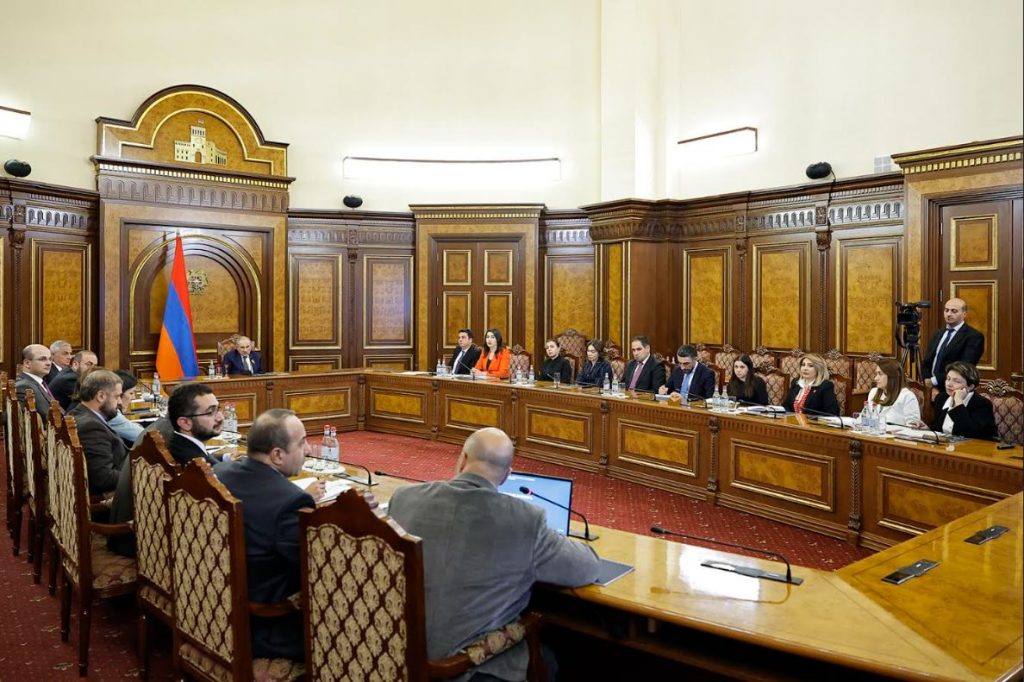
Armenia plans to tighten citizenship requirements and reform migration management system
Factor.am / 11 hours ago
Related coverage

Azerbaijan's military operations have led to the loss of forest cover in Armenia: Manukyan
Sputnik Armenia / 10 hours ago
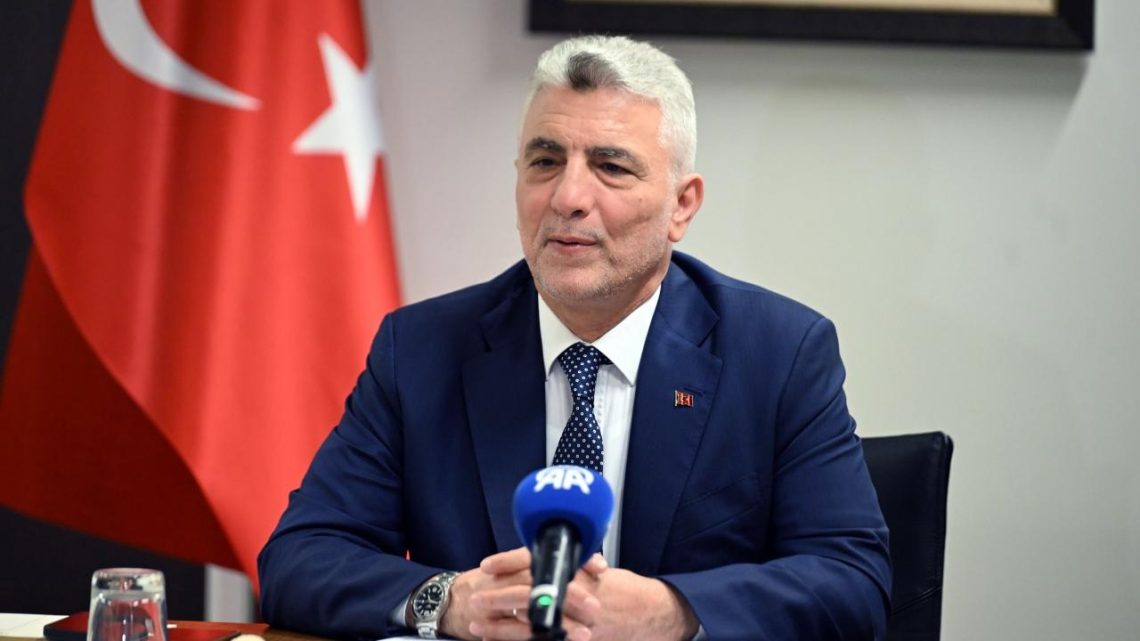
Turkey-EU trade volume is 205 billion euros. Ermenihaber
ABC Media / 10 hours ago

When will the first diesel fuel contracts be signed? Dmitriev's response
Sputnik Armenia / 10 hours ago

#NOW: "CIVIL PROSECUTIONS IN ARMENIA. HOW TO FIGHT AGAINST THEM." POLITICAL SCIENTISTS DISCUSS
24TV / 24News / 11 hours ago