Showing in English.
5 full-article translations/day — headlines & summaries always free. Create free account for 25/day
The end of the Noah's Ark excavation season and...
Նոյյան տապանը որոնող արշավախմբի պեղումների սեզոնի ավարտը եւ…
Scientists have completed the current season of searching for Noah's Ark on Mount Ararat and have sent samples for laboratory analysis, from which they expect...
Գիտնականներն ավարտել են Արարատ լեռան վրա Նոյյան տապանի որոնումների ներկա տարեշրջանը եւ նմուշներ են ուղարկել լաբորատոր վերլուծության, որից նրանք սպասում…
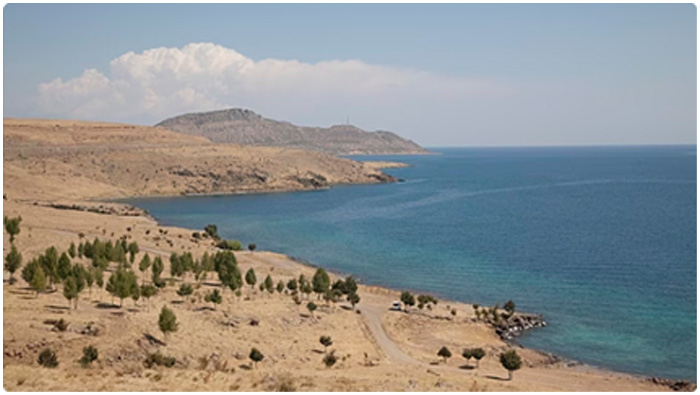
Scientists have completed the current season of the search for Noah's Ark on Mount Ararat and have sent samples for laboratory analysis, from which they expect sensational results.
Գիտնականներն ավարտել են Արարատ լեռան վրա Նոյյան տապանի որոնումների ներկա տարեշրջանը եւ նմուշներ են ուղարկել լաբորատոր վերլուծության, որից նրանք սպասում են սենսացիոն արդյունքներ: Այս մասին ռուսական NTV հեռուստաալիքին հայտարարել է արշավախմբի ղեկավար, Թուրքիայի Սիվասի (պատմ.
This was announced to the Russian NTV channel by the head of the expedition, Professor Genker Attila of Cumhuriyet University in Sivas (historical Sebastia -
Սեբաստիա-
M.).
Մ.)
The work was carried out in a geological structure called Durupinar in the Dogubayazeti region, some distance from Ararat, whose outlines and dimensions resemble the biblical description of Noah's Ark and where scientists had discovered anomalous voids.
Ջումհուրիեթ համալսարանի պրոֆեսոր Ջենկեր Աթիլան: Աշխատանքները կատարվել են Արարատից որոշ հեռավորությամբ գտնվող Դողուբայազետի շրջանի Դուրուփինար կոչվող տեղանքի երկրաբանական կառույցում, որի ուրվագծերն ու չափսերը հիշեցնում են Նոյյան տապանի աստվածաշնչյան նկարագրությունը եւ որտեղ գիտնականներն անոմալ դատարկություններ էին հայտնաբերել: Հետազոտողներն օգտագործել են ստորգետնյա սկանավորման համակարգեր, ինչպես նաեւ քարտեզագրում՝ կիրառելով 2D եւ 3D մոդելներ ու GPS: Մոտ 90-օրյա սեզոնի ընթացքում, ինչպես հաղորդվում է, նախագծին մասնակցել է հինգ երկրներից 20 գիտնական: «Մենք մոտ 150 տարբեր կետերից վերցրել ենք հողի հազարի չափ նմուշ: Այս նմուշները նախագծի ամենակարեւոր փուլերից մեկն էին»,- ասել է Աթիլան: Նրա խոսքով՝ իրենք գործընկերներով գտել են խեցեղենի բեկորներ, որոնք, ենթադրվում է, վերաբերում են նախաջրհեղեղյան ժամանակաշրջանին: Որոշ նմուշներ արդեն ուղարկվել են Անկարա: Այժմ մասնագետները դրանցում կփնտրեն օրգանական նյութեր եւ փայտանյութի մնացորդներ: «Օրգանական նյութի ածխածնային թվագրման միջոցով մենք կհասկանանք, թե արդյո՞ք այստեղ իրոք նավ է եղել»,- պարզաբանել է Աթիլան՝ հավելելով, որ արդյունքները պետք է հասանելի լինեն ձմռանը: «Մենք դեռ չենք ստացել հարյուրտոկոսանոց արդյունք, բայց ունենք տվյալներ, որոնք կզարմացնեն մարդկությանը: Դրանք շուտով կհրապարակվեն գիտական հոդվածներում եւ գրքերում»,- գիտնականի խոսքերն է մեջբերում NTV-ն: Ինչպես նշել է թուրքական «Անադոլու» պետական լրատվական գործակալությունը, տապանի գոյության գիտական ապացույցներ առայժմ չկան.
The researchers used underground scanning systems, as well as mapping using 2D and 3D models and GPS.
աշխատանքների ամբողջ ընթացքում չեն հայտնաբերվել փայտ, մեխեր կամ վստահաբար մարդու ստեղծած նյութեր, իսկ արդյունքները չեն հրապարակվել գրախոսվող ամսագրերում: Չնայած դրան, մի քանի շաբաթ առաջ պեղումներին մասնակցած հնագետ Էնդրյու Ջոնսը ռուսական լրատվամիջոցներին հայտնել է, թե իրեն եւ գործընկերներին հաջողվել է ստանալ սկզբունքորեն նոր արդյունքներ: Պեղումները կատարած խմբի լավատեսության հանդեպ, սակայն, «ՌուՆյուզ» կայքում որոշակի կասկած է հայտնել, օրինակ, ռուս փորձագետ, գիտական ոլորտի լրագրող Ալեքսանդր Սոկոլովը, շեշտելով, որ տվյալ տեղեկատվությունը գնահատելու համար անհրաժեշտ են հրապարակված տվյալներ: «Որտե՞ղ է հետազոտությունը: Կա մամուլի հայտարարություն, եւ ես կցանկանայի կարդալ հետազոտությունը, բայց դա իրականում այդպես չէ: Հայտնաբերվել են մի քանի Նոյյան տապաններ»,- նկատել է նա Radio KP-ի եթերում: Դուրուփինար կազմավորումը տասնամյակներ շարունակ ուշադրություն է գրավել: Մասնագետների մեծ մասն այն համարում է բնական երկրաբանական կազմավորում (սինկլինալ): Սոկոլովը ի թիվս մի շարք այլ նկատառումների նշել է, որ մոտակայքում գտնվում է նմանատիպ կազմավորում՝ նմանատիպ «ատամնավոր» պատերով, որը ստանդարտ երկրաբանական գործընթացների արդյունք է: Գիտության հանրայնացնողի խոսքով՝ որոշել, թե մակերեւույթի տակ ի՞նչ է թաքնված՝ հնարավոր կլինի միայն հորատման արդյունքների մանրամասն ուսումնասիրությունից եւ դրանց պաշտոնական գիտական հրապարակումից հետո: Վանա լճի հատակում հայտնաբերվել են հազարամյակներ առաջվա հին քաղաքի ավերակներ Վանա լճի հատակում հայտնաբերվել են ավերակներ, որոնք, գիտնականների կարծիքով, կարող են լինել կորուսյալ հին քաղաքի մաս: Մոտավորապես 23 մետր խորությունում ջրասուզորդները նկատել են հսկայական շրջանաձեւ կառույց եւ ամուր տեղադրված քարե բլոկներից պատրաստված պատ: Ենթադրվում է, որ սա շատ ավելի մեծ բնակավայրի մաս է կազմում: Այս մասին տեղեկացնում է «Միր24» ռադիոկայանի կայքը: Նախնական գնահատումներով, ավերակները
During the approximately 90-day season, 20 scientists from five countries reportedly participated in the project.
700 տարեկան են: Չի բացառվում նաեւ, որ դրանք իրականում շատ ավելի հին են՝ մոտավորապես
"We took about a thousand soil samples from about 150 different points.
000 տարեկան: Պատի բարձրությունը լճի հատակից
"These samples were one of the most important stages of the project," Attila said.
4 մետր է: Երկարությունը գնահատվում է մոտ 45 մետր: Հետազոտողները նշել են, թե շինությունը կարող էր կառուցված լինել իր ժամանակի համար առաջադեմ տեխնոլոգիաներով զարգացած քաղաքակրթության կողմից: Գիտնականները, ինչպես հաղորդվում է, մտադիր են շարունակել իրենց հետազոտությունները՝ կառույցի ավելի ճշգրիտ թվագրման համար: The Daily Mail-ի տվյալներով, որին հղում է անում ռադիոկայանը, անհայտ է մնում նաեւ, թե ի՞նչ ժողովուրդ կարող էր այն կառուցած լինել: ԳԵՂԱՄ ՄԿՐՏՉՅԱՆ The post Նոյյան տապանը որոնող արշավախմբի պեղումների սեզոնի ավարտը եւ… appeared first on Ազգ .
According to him, he and his colleagues found fragments of pottery, which are believed to date back to the pre-flood period.
Some samples have already been sent to Ankara.
Now, experts will look for organic materials and wood residues in them.
"By carbon dating the organic material, we will understand whether there was really a ship here," Attila explained, adding that the results should be available in the winter.
"We have not yet received a 100% result, but we have data that will amaze humanity.
They will soon be published in scientific articles and books," the scientist was quoted as saying by NTV.
As noted by the Turkish state news agency Anadolu, there is no scientific evidence of the existence of the ark yet.
No wood, nails or materials of certain human origin were found during the entire work, and the results have not been published in peer-reviewed journals.
Despite this, a few weeks ago, archaeologist Andrew Jones, who participated in the excavations, told Russian media that he and his colleagues managed to obtain fundamentally new results.
However, some doubts were expressed on the RuNews website about the optimism of the excavation team, for example, by Russian expert and science journalist Alexander Sokolov, emphasizing that published data is needed to assess the information.
“Where is the research?
There is a press release, and I would like to read the research, but it is not really like that.
Several Noah's arks have been found,” he noted on Radio KP.
The Durupinar formation has attracted attention for decades.
Most experts consider it a natural geological formation (synclinal).
Sokolov noted, among a number of other considerations, that there is a similar formation nearby, with similar “toothed” walls, which is the result of standard geological processes.
According to the science publicist, it will be possible to determine what is hidden under the surface only after a detailed study of the drilling results and their official scientific publication.
Ruins of an ancient city dating back thousands of years have been discovered at the bottom of Lake Van Ruins have been discovered at the bottom of Lake Van, which, according to scientists, may be part of a lost ancient city.
At a depth of approximately 23 meters, divers noticed a huge circular structure and a wall made of firmly placed stone blocks.
It is believed that this is part of a much larger settlement.
This is reported by the website of the Mir24 radio station.
According to preliminary estimates, the ruins are 11,700 years old.
It is also not excluded that they are actually much older - about 40,000 years old.
The height of the wall above the lake bed is
4 meters.
The length is estimated at about 45 meters.
The researchers noted that the structure could have been built by a civilization that developed advanced technologies for its time.
Scientists reportedly intend to continue their research to more accurately date the structure.
According to The Daily Mail, to which the radio station refers, it also remains unknown what people could have built it.
GEGHAM MKRTCHYAN The post The end of the excavation season of the expedition searching for Noah's Ark and… appeared first on Azg .
Comments
No comments yet — be the first to comment.
More from Azg

The barbaric regime in Baku is actually not that stable and invincible. Vardan Voskanyan
Azg / 8 hours ago

That's it. Tsarukyan's case has an exclusively political context. Arman Abovyan
Azg / 8 hours ago

There will be no water at several addresses in the center of Yerevan
Azg / 9 hours ago

Ani Avetisyan and her two children were recognized as victims. Criminal Court
Azg / 13 hours ago
Related coverage

Two drones and six mobile phones found in Armavir Penitentiary
1in.am / 16 minutes ago

Yandex Pay has restored access to transfers and payments for some users.
Sputnik Armenia / 23 minutes ago

Short-term rain expected in Yerevan and some regions: weather forecast
Sputnik Armenia / 30 minutes ago

What did the Azerbaijani soldier say about the invasion of an Armenian family? "Zhoghovurd"
24TV / 24News / 30 minutes ago