Showing in English.
5 full-article translations/day — headlines & summaries always free. Create free account for 25/day
Episodes of the political redefinition of Artsakh's cultural heritage: "Monument Watch"
Արցախի մշակութային ժառանգության քաղաքական վերաձևակերպման դրվագները․ «Monument Watch»
Our team does not always address Azerbaijani mental exercises.
Միշտ չէ, որ մեր թիմն անդրադառնում է ադրբեջանական մտավարժանքներին․ «Monument Watch»-ը ահազանգում է․ «Ադրագիտպրոպն այդ երկրի հայատյաց քաղաքականության օրգանն է, նրա հիմնական գործելակերպը տարբեր մասշտաբի «փորձագետների» և պաշտոնյաների հայտարարություններն են: Պատմամշակութային փաստերը, ասպարեզի հանրահայտ և լուրջ հետազոտությունները նրանց համար առ ոչինչ են: Թվում է, թե ամեն ինչ պարզ է, որևէ կարիք չկա անընդհատ կրկնել հայտնի […]
Monument Watch sounds the alarm: “The Adragitprop is the organ of that country’s anti-Armenian policy, its main modus operandi is the statements of “experts” and officials of various levels.
Historical and cultural facts, well-known and serious research in the field are of no use to them.
It seems that everything is clear, there is no need to constantly repeat well-known […]
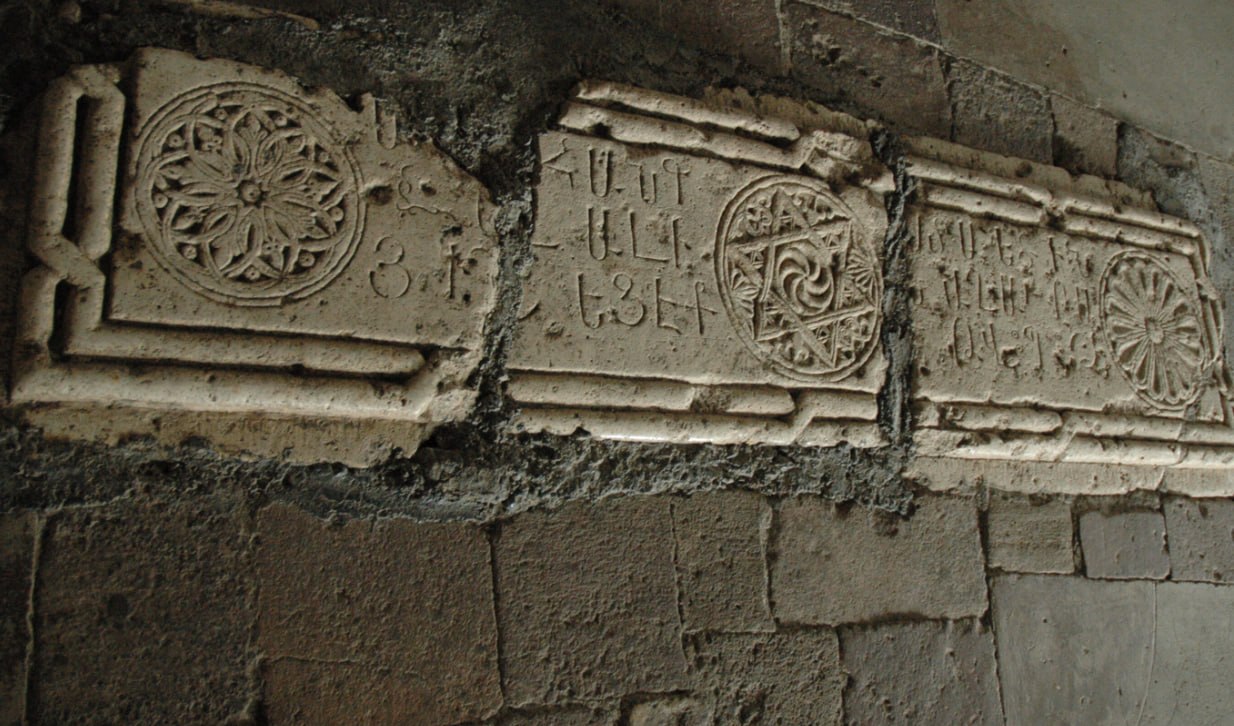
Our team does not always touch upon Azerbaijani exercises.
Միշտ չէ, որ մեր թիմն անդրադառնում է ադրբեջանական մտավարժանքներին․ Monument Watch -ը ահազանգում է․ Ադրագիտպրոպն այդ երկրի հայատյաց քաղաքականության օրգանն է, նրա հիմնական գործելակերպը տարբեր մասշտաբի փորձագետների և պաշտոնյաների հայտարարություններն են: Պատմամշակութային փաստերը, ասպարեզի հանրահայտ և լուրջ հետազոտությունները նրանց համար առ ոչինչ են: Թվում է, թե ամեն ինչ պարզ է, որևէ կարիք չկա անընդհատ կրկնել հայտնի ճշմարտությունները: Սակայն այս անգամ ադրբեջանական ներկայացումը մեթոդաբանորեն նոր չափումներ է ստացել.
Monument Watch is sounding the alarm.
միջազգային դիվանագիտական շրջանակների հարյուրավոր ներկայացուցիչներ, տարբեր հուշարձանների արդեն առանձին մանրամասների աղվանականացման մասին բարձրաստիճան պաշտոնյայի քամահրական ու շինծու հայտարարություններ և դրանք գիտականորեն բացատրող իբր պրոֆեսիոնալներ: Մենք որոշեցինք այս անգամ ուղղակիորեն անդրադառնալ այն չորս դեպքերին, ուր հայկական ժառանգությունը ներկայացվում է որպես աղվանական ժառանգության ամենավառ ու անբեկանելի ապացույցներ: Ադրբեջանում հավատարմագրված 58 երկրի և 9 միջազգային կազմակերպության ներկայացուցիչներից բաղկացած շուրջ 150 հոգանոց պատվիրակության այցի ընթացքում Ադրբեջանի նախագահի օգնական Հիքմեթ Հաջիևը և ոմն մասնագետ Գանձասարի վանքի գավթում գտնվող Ջալալ Մեծի (ապրել է 15-րդ դարում) տապանաքարը (նկ.
The Adragitprop is the organ of the Armenian-hating policy of that country, its main modus operandi is the statements of experts and officials of various scales.
1) անգրագիտաբար ներկայացնում են որպես Հասան Ջալալ Դոլայի (ապրել է 13-րդ դարում) տապանաքար: Նախ, տապանաքարի ծավալային և քանդակային լուծումների մասին: Այն հարթ սալ է, ինչպես որ որպես կանոն լինում են գավիթ-տապանատան տապանաքարերը: Պատրաստված է մարմարացված կրաքարից, որն Արցախի կրաքարի հանքերում խիստ եզակի է հանդիպում: Եթե սովորական կրաքարից պատրաստված կոթողները, որոնք կազմում են Արցախի կոթողային հուշարձանների գերակշիռ մեծամասնությունը, հաճախ քայքայվում և կորցնում են հորիվածքների հստակությունը, մարմարացված կրաքարը շատ լավ է պահպանում նախնական քանդակը, ինչը և տեսնում ենք մեր տապանաքարում: Հայտնի չէ, թե երբ և ինչ հանգամանքներում է եռատվել իշխանի տապանաքարը: Ս.
Historical and cultural facts, well-known and serious research in the field are of no use to them.
Բարխուդարյանը հավանական է համարել, որ դա արել են գանձախույզները (ԴՀՎ 5, 64): Տապանաքարի հորինվածքը կատարման վարպետությամբ և հստակությամբ կարելի է արվեստի լուրջ գործ համարել: Երեք վարդյակները, որ շրջանը համամասն բաժանելու և այն տարբեր լուսային մոտիվներով հագեցնելու կատարյալ օրինակներ են, ներկայացնում են հայ քրիստոնեական քանդակում լայնորեն տարածված երեք լուսատուներից՝ Արև, Լուսին, Աստղն առավոտի (նկ.
It seems that everything is clear, there is no need to constantly repeat the well-known truths.
2-4), բաղկացած հորինվածքը, որը խորհրդանշում է Երկրորդ Գալուստը (և դրանով իսկ հանգուցյալների հոգու փրկությունը): Այն տարակերպ մանրամասներով Հայաստանում լայնորեն տարածված էր դեռևս 5-7-րդ դարերում: Սկզբնապես դրանք պատկերվում էին եկեղեցիների բարավորների ու պատուհանների պսակների վրա, ուղղակի պատերին: 9-րդ դարից դրանք դառնում են խաչքարային հորինվածքի էական բաղադրիչներից մեկը 12-13-րդ դարերից սկսած՝ հայտնվում նաև տապանաքարերի վրա (նկ.
However, this time the Azerbaijani presentation has taken on new methodological dimensions: hundreds of representatives of international diplomatic circles, indifferent and fabricated statements by a high-ranking official about the Albanianization of already individual details of various monuments, and supposedly professionals explaining them scientifically.
5-8, Պետրոսյան 2008, 363-366): Տապանաքարի արձանագրությունը հայտնում է.
We decided this time to directly address the four cases where the Armenian heritage is presented as the most vivid and irrefutable evidence of the Albanian heritage.
Ա[յս է] հանգիստ մեծին/ Ջալալին: [Յ]աղաւթս/ յիշեցէք: Թվ.
During the visit of a delegation of about 150 people, consisting of representatives of 58 countries and 9 international organizations accredited in Azerbaijan, Hikmet Hajiyev, an assistant to the President of Azerbaijan, and a certain specialist, ignorantly presented the tombstone of Jalal the Great (who lived in the 15th century) in the vestibule of the Gandzasar monastery (Fig.
:ՊՁ: (1431) : Այսինքն, այն որևէ առնչություն չունի 1261 թ.
1) as the tombstone of Hasan Jalal Dola (who lived in the 13th century).
եղերական մահով սպանված Հասան Ջալալ Դոլայի հետ: Ջալալ Մեծը նրա ժառանգներից է, ապրել է 15-րդ դարում, նա Ջալալ Մեծ է կոչվում և Մեծարանից սուրբ Հակոբավանքի արձանագրություններից մեկում, որ փորագրվել է նրա որդի՝ Հովհաննես կաթողիկոսի կողմից (ԴՀՎ 5, 18): Նկատենք, որ խաչքարային և տապանաքարային արձանագրության մեջ մահվան թվականի հիշատակումն անունից հետո երկրորդ կարևոր հաղորդումն է, քանի որ ըստ միջնադարյան հայ քրսիտոսաբանական պատկերացումների մահվան թիվն էական է Ժամանակների վերջում հավատացյալի ինքնության հավաստման համար: Թեև Գանձակեցին հստակ հաղորդում է Գանձասարում Հասան Ջալալ Դոլայի մարմինն ամփոփելու մասին ( Իսկ զմարմին երանելի առնն գողացեալ հաւատարմացն իւրոց, և որդւոյ նորա Աթաբակին, բերեալ ամփոփեցին ի գերեզմանատան հարց իւրոց ի Գանձասար, զոր ինքն իսկ շինեաց , Գանձակեցի 1961, 391), վանքում նրա տապանաքարը չկա: Նույնիսկ հետագայում՝ նրա շիրիմին տապանաքար դնելու դեպքում, արձանագրությունում պիտի փորագրվեր նրա մահվան թվականը: Իհարկե այս ամենը չգիտեն ադրագիտպրոպի ներկայացուցիչները, նրանց հիմնական նպատակը հայտարարելն է, թե այդ ամենն աղվանական է: Փաստերը, մասնագիտական գիտելիքը, տարրական բարեվարքությունը այս մարդկանց համար կարևոր չեն: Այսպիսով, Գանձասարի գավթի հայտնի տապանաքարը ոչ թե Հասան Ջալալ Դոլայի, այլ 15-րդ դարում ապրած Ջալալ Մեծ իշխանի տապանաքարն է, ինչի մասին հստակորեն վկայում է 1431 թվականի արձանագրությունը: Այն կրում է եզակի վարպետությամբ իրականացված հորինվածք, որը խորհրդանշում է Երկրորդ գալուստն ի դեմս Արևի, Լուսնի և Աստղն առավոտի: Մեր արձագանքը Միջազգային ժառանգության իրավունքի տեսանկյունից նման ներկայացումները ժառանգության ինքնության խեղաթյուրում են: 1972 թվականի UNESCO-ի Համաշխարհային ժառանգության կոնվենցիայի 4-րդ և 5-րդ հոդվածները պետություններից պահանջում են ապահովել մշակութային ժառանգության նույնականացումը, պաշտպանությունը, պահպանումը, ներկայացումը և ապագա սերունդներին փոխանցումը։
First, about the volumetric and sculptural solutions of the tombstone.
Այս շրջանակում Նարայի փաստաթուղթը մշակութային ժառանգության իսկությունը կապում է դրա արժեքների արժանահավատ և ճշմարտացի ներկայացման հետ՝ հաշվի առնելով, այդ թվում, նյութը, ձևը, գործառույթը, ավանդույթները, տեղադրությունը և լեզուն։
It is a flat slab, as are usually the tombstones of vestibule-tombs.
2005 թվականի UNESCO-ի Կոնվենցիան ամրագրում է մշակույթների հավասար արժանապատվության և հարգանքի , ինչպես նաև մշակութային բազմազանության պահպանման սկզբունքները, իսկ 2003 թվականի Կոնվենցիան շեշտում է ժառանգության փոխանցումը սերունդների միջև և դրա կապը համայնքների ինքնության ու շարունակականության հետ։
It is made of marbled limestone, which is extremely rare in the limestone mines of Artsakh.
Հետևաբար, հուշարձանի պատմության, վիմագրերի, լեզվի և մշակութային պատկանելության վերաբերյալ չհիմնավորված պնդումների պետական տարածումը կարող է խաթարել դրա իսկության և պատմական արժեքների արժանահավատ ներկայացումը։
If the monuments made of ordinary limestone, which make up the vast majority of monumental monuments in Artsakh, often decay and lose the clarity of the carvings, the marbled limestone preserves the original sculpture very well, which is what we see in our tombstone.
Գանձասարի դեպքում նման գործելակերպը դիտարկելի է որպես մշակութային ժառանգության քաղաքական գործիքավորում , երբ հուշարձանի պատմության վերաձևակերպումը ծառայեցվում է կեղծ ազգային-պատմական նարատիվի ձևավորմանն ու տարածմանը ։
It is not known when and under what circumstances the prince’s tombstone was carved.
S.
Barkhudaryan considered it likely that treasure hunters did it (DHV 5, 64).
The composition of the tombstone can be considered a serious work of art due to the mastery and clarity of execution.
The three rosettes, which are perfect examples of proportional division of the circle and filling it with different light motifs, represent the composition consisting of three luminaries widely spread in Armenian Christian sculpture: the Sun, the Moon, and the Morning Star (Fig.
2-4), symbolizing the Second Coming (and thereby the salvation of the souls of the deceased).
It was widely spread in Armenia with various details as early as the 5th-7th centuries.
Initially, they were depicted on the cornices and window crowns of churches, directly on the walls.
From the 9th century, they became one of the essential components of the khachkar composition, and from the 12th-13th centuries, they also appeared on tombstones (Fig.
5-8, Petrosyan 2008, 363-366).
The tombstone inscription states: A[ys e] rek gelygin/ Jalal.
[Y]aghavts/ remember.
No.
:PDZ: (1431).
That is, it has no connection with Hasan Jalal Dola, who was martyred in 1261.
Jalal the Great is one of his descendants, he lived in the 15th century, he is called Jalal the Great and in one of the inscriptions of the Holy Monastery of St.
Jacob, which was carved by his son, Catholicos Hovhannes (DHV 5, 18).
It should be noted that in the khachkar and tombstone inscriptions, the mention of the year of death is the second most important information after the name, since according to medieval Armenian Christological ideas, the number of deaths is essential for confirming the identity of the believer at the End of Time.
Although Gandzaketsi clearly reports the burial of Hasan Jalal Dola's body in Gandzasar (And the body of the blessed man was stolen by his faithful, and his son Atabak, brought and buried in the cemetery of his own in Gandzasar, which he himself built, Gandzaketsi 1961, 391), his tombstone is not in the monastery.
Even later, in the event of placing a tombstone on his grave, the date of his death should have been engraved in the inscription.
Of course, the representatives of the adragitprop do not know all this, their main goal is to declare that all this is Albanian.
Facts, professional knowledge, elementary decency are not important for these people.
Thus, the famous tombstone in the Gandzasar gavat is not the tombstone of Hasan Jalal Dola, but of Jalal the Great, who lived in the 15th century, as clearly evidenced by the inscription of 1431.
It bears a composition made with unique skill, which symbolizes the Second Coming in the person of the Sun, Moon and Morning Star.
Our response From the point of view of international heritage law, such representations are a distortion of the identity of the heritage.
Articles 4 and 5 of the 1972 UNESCO World Heritage Convention require States to ensure the identification, protection, conservation, presentation and transmission to future generations of cultural heritage.
In this context, the Nara Document links the authenticity of cultural heritage to the credible and truthful representation of its values, taking into account, inter alia, its material, form, function, traditions, setting and language.
The 2005 UNESCO Convention enshrines the principles of equal dignity and respect for cultures, as well as the preservation of cultural diversity, while the 2003 Convention emphasizes the transmission of heritage between generations and its link to the identity and continuity of communities.
Consequently, the dissemination by the State of unsubstantiated claims about the history, inscriptions, language and cultural affiliation of a monument may undermine the credible representation of its authenticity and historical values.
In the case of Gandzasar, such practices can be viewed as a political tool for cultural heritage, when the reframing of the monument's history is used to form and disseminate a false national-historical narrative.
Comments
No comments yet — be the first to comment.
More from ABC Media
Aliyev changes the composition of the commission on border demarcation with Georgia
ABC Media / 15 minutes ago
The National Security Service of the Republic of Armenia discussed with international partners the improvement of professional training of border guards
ABC Media / 51 minutes ago
If my father hadn't passed away at an early age, I might not have become a football player. Mkhitaryan
ABC Media / 1 hour ago

Driving licenses are issued only by law. Ministry of Internal Affairs
ABC Media / 1 hour ago
Related coverage

Chain accident on Davit Bek Street in Yerevan
Shant News / 11 minutes ago
"If Armenia's security is conditioned by silence about Artsakh, then it is not a security policy, but a retreat of national identity in the name of peace." Hakob Hakobyan
Aravot / 14 hours ago
More Murals Of Fallen Soldiers Erased In Yerevan
Azatutyun / 15 hours ago

The European Parliament demands the release of former leaders of Artsakh: who are the initiators?
Shant News / 16 hours ago