Showing in English.
5 full-article translations/day — headlines & summaries always free. Create free account for 25/day
From Komitas to the Last Caliph: The Story of Doctor Vahram Torgomian (Part 1)
Կոմիտասից մինչև վերջին խալիֆ.
բժիշկ Վահրամ Թորգոմեանի պատմությունը (մաս 1)
Vahram was a doctor who received a very good education in Paris.
Վահրամը բժիշկ էր՝ շատ լավ կրթություն ստացած Փարիզում: Իր այս հուշագրությունը, որի ինքնագիրը, ի պահ հանձնված Փարիզի Նուբարեան գրադարանին և, ի վերջո, Երևան՝ Գրականության և արվեստի թանգարան հասած, միայն իր կյանքի մի հատվածն է ամփոփում։
This memoir of his, whose autograph was deposited at the Nubarian Library in Paris and eventually reached the Museum of Literature and Art in Yerevan, summarizes only a part of his life.
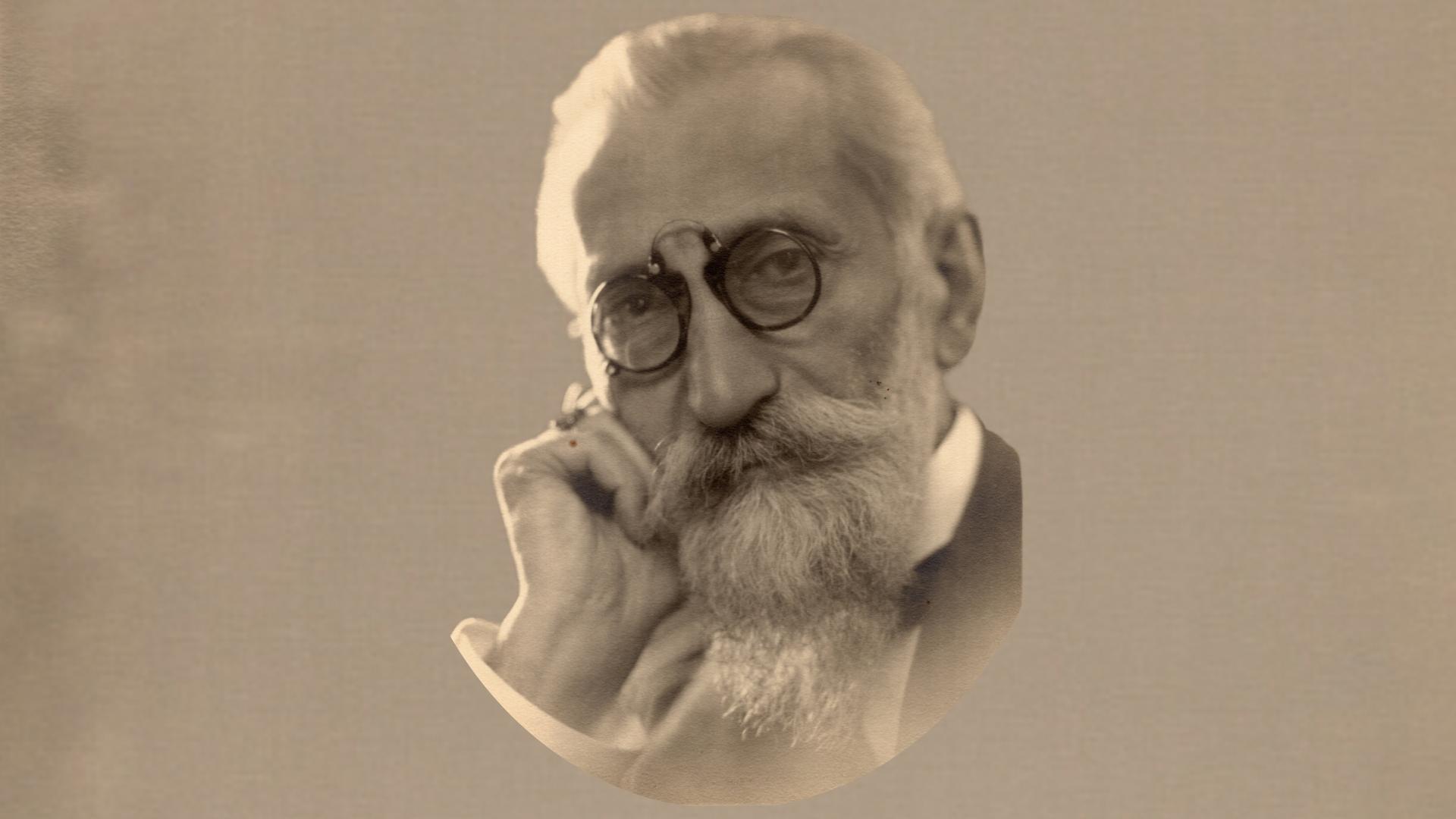
So that the past is not forgotten
Որպեսզի չմոռացվի անցյալը
On February 25, 1942, the 523-page notebook of the Armenian intellectual from Scythia to Paris, the notebook of memories from Scythia to Paris, was put to rest. Months later, on August 11, precisely on Navasard Day, Vahram Torgomyan passed away. With this thick notebook, he not only prevented the forgetting of his past, but also, through the details of his personal life, bequeathed to us a picture of the turbulent era he lived in - testimonies about the morals, the period, the prominent, and even the scoundrels of Constantinople. Vahram was a doctor who received a very good education in Paris. This memoir of his, whose autograph, deposited in the Nubarian Library in Paris and, eventually, reached the Museum of Literature and Art in Yerevan, summarizes only a part of his life. The rest are in his diaries, letters and works, summarized in 10 giant notebooks. By the way, he had a unique and amazing penchant for transcription. He transcribed almost all the letters he sent to his parents, relatives, and acquaintances one by one into a notebook thicker than Antsuk Mortsuk, filling 1467 pages. And this penchant today allows us to understand a lot about him. Fortunately, the man has a completely legible handwriting, if we compare it with the handwriting of doctors in general. But, in addition to being a doctor, Vahram Torgomyan was also a national figure and a medical historian, if we can say so. He studied the lives and work of more than 900 forgotten or famous Armenian doctors from ancient times and bequeathed to us the encyclopedic information they brought together. He treated Komitas, with whom there were delicate problems in transferring him to the Şişli hospital. about this later, he treated Khrimian Hayrik, before his exile to Jerusalem, when the Turkish government restricted his free movement in Constantinople, he treated Maghakia Ormanian's knee, where water was collected, he was the family doctor of Hovhannes Tatian Bey, Zabel Yesayan, with whom he grew up in the famous Silihtar Gardens cemetery in Skudar, Constantinople...he was also the family doctor of the last caliph of Turkey.
1942թ. Փետրվար 25-ին վերջակետը դրեց և փակեց 523 էջանոց Անցուկը Մոռցուկ պոլսահայ մտաւորականի մը ուղին՝ Սկիւտարէն Փարիզ հուշերի տետրակը: Ամիսներ անց Օգոստոս 11-ին` ճիշտ Նավասարդի օրը, Վահրամ Թորգոմեանը ավանդեց հոգին: Իր այս հաստափոր տետրակով ոչ միայն կանխեց ի՛ր անցյալի մոռացումը, այլև, անձնական կյանքի մանրամասների միջով, մեզ ժառանգեց իր ապրած փոթորկոտ դարաշրջանի պատկերը՝ Կոստանդնուպոլսի բարքերի, ժամանակշրջանի, երևելի, նմանապես և սրիկա մարդկանց մասին վկայությունները: Վահրամը բժիշկ էր՝ շատ լավ կրթություն ստացած Փարիզում: Իր այս հուշագրությունը, որի ինքնագիրը, ի պահ հանձնված Փարիզի Նուբարեան գրադարանին և, ի վերջո, Երևան՝ Գրականության և արվեստի թանգարան հասած, միայն իր կյանքի մի հատվածն է ամփոփում: Մնացածը 10 հսկա տետրերի մեջ ամփոփված իր օրագրություն-նամակների և աշխատությունների մեջ են: Ի դեպ, յուրահատուկ և զարմանալի հակում է ունեցել արտագրության: Իր ծնողներին, հարազատների, ծանոթներին ուղարկած գրեթե բոլոր նամակները մեկ-մեկ արտագրել է առավել հաստ մի տետրի մեջ, քան Անցուկը Մոռցուկն է՝ լրացնելով 1467 էջ: Եվ այս հակումը այսօր հնարավորություն է տալիս շատ բան հասկանալու նրա մասին: Բարեբախտաբար միանգամայն ընթեռնելի ձեռագիր ունի մարդը՝ եթե համեմատելու լինենք ընդհանրապես բժիշկների ձեռագրերի հետ: Բայց, բժիշկ լինելուց զատ, Վահրամ Թորգոմեանը նաև ազգային գործիչ էր և բժշկական պատմաբան, եթե կարելի է այսպես ասել: Ուսումնասիրել է ավելի քան 900 մոռացված կամ հայտնի հայ բժիշկների մասին հին-հին դարերից եկող նրանց կյանքը և գործը ու մեզ ժառանգել ի մի բերված հանրագիտարանային տեղեկությունները: Բուժել է Կոմիտասին, ում հետ կապված նուրբ խնդիրներ են եղել Շիշլիի հիվանդանոց տեղափոխելու հարցում. այս մասին՝ հետո, բուժել է Խրիմեան Հայրիկին, մինչև Երուսաղեմ աքսորվելը, երբ Պոլսում նրա ազատ տեղաշարժը թուրք կառավարությունը սահմանափակեց, դարմանել է Մաղաքիա Օրմանեանի ծունկը, որտեղ ջուր էր հավաքվում, եղել է Հովհաննես Տատեան բեյի, Զապել Եսայեանի ընտանեկան բժիշկը, որի հետ մեծացել էր Պոլսի Սկյուտարի հայտնի Սիլիհտարի պարտեզների թաղում...նաև ընտանեկան բժիշկն էր Թուրքիայի վերջին խալիֆի:
Abdulmejid's doctor
Աբդուլմեջիդի բժիշկը
Prince Abdulmejid II, who was the cousin of the last Ottoman sultan and never received the title of sultan, but was content with the title of caliph for a short period (the institution of the sultan was abolished during the reign of Ataturk), loved and respected Armenians for their high culture and abilities. One fine day, doctors Naggashian and Torgomian arrived at her residence in Dolmabahce to examine the prince's wife, who had been abandoned by Turkish doctors. Soon, Mrs. Shehsuvar Kadyn recovered. Vahram's brother, the farmer Gevorg, simply saved the crown prince's vineyard, which had been destroyed by phylloxera, by planting American vines at his own expense and receiving a wonderful fruitful orchard. In short, his brother became the chief agronomist of Abdulmejid's gardens, and Vahram became the prince's family physician, regularly visiting the Feriye winter palaces in Ortagüh built by the Marts Paleans, and the Skutar mansion of Mart Efendi. Vahram suggested that the prince contact Father Gabriel Menevishian, so that the latter would intercede for his only son, Farukh, to be admitted to the most prestigious Theresian educational institution in Vienna. After all, the children of the world's great rulers, diplomats, and the elites of empires studied here, as well as the children of the wealthy Armenian families of Austria-Hungary, Transylvania, and Poland since the 18th century, as well as the children of the emirs of Constantinople. Vahram was able to use this connection established with the prince for the benefit of the Armenian people. In his Anzuk Mortsuk, he writes how he told Dr. Naggashian about Abdul Hamid's anti-Armenian policy, saying: The Armenian cause is already over. Abdulmejid has risen. went, stood by the window, on the spot where the sun's rays fell on the carpet, and philosophized. You see, he said, as long as I want to erase this celestial body with my feet, it always rises above my head. The Armenian problem is also similar to this, as long as they want to disappear, bury it, it comes to life, do not be discouraged.
Արքայազն Աբդուլմեջիդ 2-րդը, որ օսմանյան վերջին սուլթանի զարմիկն էր և այդպես էլ չստացավ սուլթանի տիտողսը, այլ մի կարճ ընթացք բավարարվեց խալիֆի կոչումով (Աթաթուրքի օրոք վերացավ սուլթանի ինստիտուտը), սիրում և հարգում էր հայերին՝ իրենց բարձր մշակույթի և ունակությունների համար: Մի գեղեցիկ օր՝ զննելու համար արքայազնի տիկնոջը, որից թուրք բժիշկները ձեռք էին քաշել՝ Դոլմաբահչեի իր կեցավայր ժամանեցին բժիշկներ Նագգաշեանը և Թորգոմեանը: Շուտով տիկին Շեհսուվար Քադընըն ապաքինվեց: Վահրամի եղբայրն էլ՝ երկրագործ Գևորգը, պարզապես փրկեց թագաժառանգի՝ ֆիլոքսերայից ավըրված խաղողի այգին՝ իր ծախսերով ամերիկյան որթատունկեր դնելով և հրաշալի բերքատու այգի ստանալով: Մի խոսքով՝ եղբայրը Աբդուլմեջիդի այգիների գլխավոր գյուղատնտեսը եղավ, Վահրամն էլ դարձավ արքայազնի ընտանեկան բժիշկը, պարբերաբար այցելելով, մե՛րթ Պալեանների կառուցած Օրթագյուղի Ֆերիե ձմեռանոց պալատները, մե՛րթ Էֆենդիի Սկյուտարի առանձնատունը: Վահրամը հուշեց արքայազնին դիմել Հայր Գաբրիել Մէնէվիշեանին, որպեսզի վերջինս իր միակ որդու՝ Ֆարուխի համար բարեխոսի Վիեննայում գործող ամենից համբավավոր Թերեզիանում ուսումնական հաստատություն ընդունվելու համար: Չէ որ այստեղ էին սովորում աշխարհի մեծամեծ կառավարիչների, դիվանագետների, կայսրությունների վերնախավերի զավակները, դեռ 18-րդ դարից նաև Ավստրո-Հունգարիայի, Տրանսիլվանիայի և Լեհաստանի հայ հարուստ ընտանիքների, նաև Կոստանդնուպոլսի ամիրաների երեխաները: Վահրամը կարողացավ շահզադեի հետ հաստատված այս կապը օգտագործել ի նպաստ հայության: Իր Անցուկը Մոռցուկ-ում գրում է, ինչպես է բժիշկ Նագգաշեանի հետ պատմել Աբդուլ Համիդի հայատյաց քաղաքականության մասին՝ ասելով. Հայերուս գործը լմնցած է ա՛յլեւս: Աբդուլմեջիդը ոտքի է ելավ. գնացել, կանգնել է պատուհանից՝ գորգին արևի ճառագայթների ընկած տեղի վրա, և փիլիսոփայել. Կը տեսնէ՞ք ըսաւ, քանի ես այս լուսաբոլորակը ոտքերովս ջնջել ուզեմ՝ այն միշտ իմ գլխիս վրայ կը բարձրանայ: Հայկական խնդիրն ալ ասոր կը նմանի, քանի զայն անհետացնել, թաղել ուզեն, այնքան կենդանութիւն կը ստանայ, մի՛ վհատիք:
Komitas' painting on the table of the last caliph
Կոմիտասի նկարը վերջին խալիֆի սեղանին
In 1924, the last caliph was exiled from Turkey, finding refuge in Paris. Here he devoted himself completely to the arts. He demonstrated the musical taste he had acquired thanks to Komitas by playing the cello and piano, and continued to paint, mixing French impressionism with the late Ottoman style. Once, when he was still in his palace in Constantinople, one day, through Komitas, he invited Panos Terlemezian to show his paintings. Panos probably did not like them, and left without expressing an opinion. He was an interesting character, but, according to Vahram Torgomian, with a somewhat fluid personality. He died of a heart attack in 1944. His daughter, who was the daughter-in-law of Mirza Asaf Jah VII of Hyderabad, India, spared no effort to transport her father's body to Turkey, but in vain. Finally, 10 years after his death, Abdulmejid II was buried in Medina, Saudi Arabia. This inhabitant of the palaces built by the Paleans, whose table was adorned with a photograph of Komitas, who had honed his musical perceptions, took active steps during the years of the disaster to return the Master and several others from exile. We will return to them later. And for now, life was wonderful...
1924-ին վերջին խալիֆը արտաքսվեց Թուրքիայից՝ հանգրվան գտնելով Փարիզում: Այստեղ լիովին նվիրվեց արվեստներին: Կոմիտասի շնորհիվ ձեռք բերած երաժշտական ճաշակը դրսևորեց թավջութակ և դաշնամուր նվագելով, շարունակեց նկարել՝ միախառնելով ֆրանսական իմպրեսիոնիզմը ուշ շրջանի օսմանյան ոճի հետ: Ժամանակին, երբ դեռ Կոստանդնուպոլսի իր պալատում էր, մի օր Կոմիտասի միջոցով հրավիրել էր Փանոս Թերլեմեզեանին՝ իր նկարները ցույց տալու: Հավանաբար Փանոսի դուրը դրանք չէին եկել, և առանց կարծիք հայտնելու, հեռացել էր: Հետաքրքիր կերպար էր, բայց, Վահրամ Թորգոմեանի կարծիքով, մի քիչ հեղհեղուկ բնավորությամբ: Մեռավ սրտի կաթվածից 1944-ին: Նրա դուստրը, որը Հնդկաստանի Հայդարաբադի միրզա Ասաֆ Ջահ 7-րդի հարսն էր, ջանք չխնայեց հոր մարմինը Թուրքիա տեղափոխելու, բայց՝ ապարդյուն: Վերջապես, մահից 10 տարի անց Աբդուլմեջիդ 2-ը թաղվեց Մեդինայում՝ Սաուդյան Արաբիա: Պալեանների կառուցած պալատների այս բնակիչը, որի սեղանը զարդարում էր իր երաժշտական ընկալումները հղկած Կոմիտասի լուսանկարը, գործուն քայլեր արեց արհավիրքի տարիներին Վարդապետին և ևս մի քանիսին աքսորից վերադարձնելու համար: Դրանց դեռ կանդրադառնանք: Իսկ առայժմ՝ կյանքը հիսաքանչ էր...
The delicacy of being a barber
Սափրիչ լինելու նրբությունը
Life was wonderful in their large house in Constantinople. He was born on April 20, 1858. His father, Artin, was a barber, and owned a café-barber shop, where people came not only to get their hair done, but also to participate in a real ritual of coffee drinking, to talk from ear to ear. He was proud to have served Retheos Berberian, cutting his hair and trimming his mustache. After the death of his first wife, Harutyun, Artin, had come to live with the famous barber Lhukas, marrying one of the latter's four daughters, Meohryupe, who became Vahram's mother. Lhukas also used his tools of the trade for surgical procedures, practicing medicine. Vahram tells how a priest who had been stabbed by Turkish bandits, his stomach torn open, and everything inside was thrown out was brought to Lukash. He stuffed the intestines in and pierced his abdomen with a blanket needle, without antiseptic, as Vahram writes, that is, without antiseptic and basic cleanliness. It is not for nothing that Lukash was almost never addressed by name, but was called Varbet jarrah, or surgeon. Contrary to this story, Vahram remembered Nene Khatun, his grandmother, who, when she was about to die, ordered that she be buried in a coffin: ...I do not want to be shrouded. ...I do not want to be thrown dirt and stones at my nose and mouth. ...Why do you throw dirty things at me? Vahram had seen not only the healings of his great-grandfather from Morena, but also witnessed a strange scene. how the fat priest of Gategyugh used to heal with a pen and ink. They would come ... boys and girls with swellings on their necks ... muttering prayers under their breath, he would dip a feather pen in ink and draw lines on the swollen parts - this form of medicine was called yazma's drawing. ... and they believed in its power like an idiot. Grandfather had nevertheless received some knowledge from a real doctor. Dr. Servichen, famous in the Ottoman Empire, often visited Lukás's cafe and taught him how to heal wounds - he would coat a tanzif with some medicines made from resins and beeswax and put them on the wound. Lukás even knew how to draw a thorn and draw blood. And when Vahram got sick, his grandfather would hug him, press him tightly to his chest, and kiss his forehead. Don't be afraid, my son, I'm with you... Many years later, on August 24, 1937, when his youngest son, Suren, died in his arms... Don't be afraid, my son, I'm with you...
Կյանքը հիասքանչ էր Պոլսի իրենց մեծ տանը: Ծնվել էր 1858-ի Ապրիլ 20-ին: Հայրը՝ Արթինը, սափրիչ էր, ուներ սրճարան-սափրիչի խանութ, որտեղ գալիս էին ոչ միայն հարդարվելու, այլև սրճախմության մի իսկական ծեսի մասնակից լինելու, դեսից դենից խոսելու համար: Հպարտ էր Ռէթէոս Պէրպէրեանին սպասարկած լինելու՝ նրա մազերը կտրելու և բեղ-մուրուքը շտկռտելու համար: Առաջին կնոջ մահից հետո, Հարությունը՝ Արթինը, տնփեսա էր եկել համբավավոր Ղուկաս սափրիչին տունը՝ ամուսնանալով վերջինիս 4 դուստրերից Մէօհրիւպէի հետ, որը Վահրամի մայրը եղավ: Ղուկասը արհեստի իր գործիքները ի հարկին գործածում էր նաև վիրաբուժական միջամտությունների համար, հեքիմություն էր անում: Վահրամը պատմում է, թե մի քահանայի, որին դանակահարել էին թուրք ավազակները, փորը պատռել, մեջի եղած-չեզածը դուրս էին թափել, բերին Ղուկասի մոտ: Սա էլ աղիները ներս լցրեց, վերմակի ասեղով շուլալեց որովայնը՝ առանց նեխարգելի, ինչպես գրում է Վահրամը, այսինքն՝ առանց հականեխման և տարրական մաքրության. Իզուր չէ, որ Ղուկասին անունով գրեթե չէին դիմում, այլ ասում էին Վարպետ ջարրահ՝ վիրաբույժ: Այս պատմությանը հակառակ՝ Վահրամը հիշում էր նենէ խաթունին՝ մեծ մորը, որ երբ մեռնելու վրա էր, կարգադրեց՝ իրեն սունդուկի մեջ թաղել՝ ...պատանքով չեմ ուզեր: ...հողերը, քարերը քիթիս բերնիս վրայ չեմ ուզեր որ նետեն: ...աղտոտ բաները ինչո՞ւ վրաս թափին: Վահրամը տեսել էր ոչ միայն իր մորենական մեծ հոր բժշկությունները, այլև ականատես էր եղել մի տարօրինակ տեսարանի. ինչպես էր Գատըգյուղի հաստափոր քահանան բժշկութիւն անում՝ գրիչով և թանաքով: Գալիս էին ...վիզներուն վրայ ուռեցք ունեցող տղաներ եւ աղջիկներ ...քթին տակէն աղօթքներ մրմռալով փետուրե գրիչը թաթախում էր մելանի մեջ և ուռած մասերի վրա գծեր էր անում՝ բժշկության այդ ձևը կոչվում էր եազմաի գծագրություն: ...եւ կը հաւատային ապուշի պէս դրա զորությանը: Մեծ հայրը որոշ գիտելիք այնուամենայնիվ ստացել էր իրական բժշկից: Օսմանյան կայսրությունում հայտնի դոկտոր Սերվիչենը հաճախ էր լինում Ղուկասի սրճարանում և սովորեցնում էր ինչպես է պետք վերքերը բուժել՝ թանզիֆը պատում էր ինչ-որ խեժերից, մեղրամոմից պատրաստված դեղերով և դնում վերքի վրա: Ղուկասը անգամ ակռակ քաշել և արիւն հանել գիտեր: Իսկ երբ հիվանդանում էր Վահրամը, մեծ հայրը գրկում էր նրան, ուժապէս կը սեղմէր կուրծքին վրայ, ճակատս կը շփէր համբուրելով Մի՛ վախնար տղաս, ես քովդ եմ...: Շատ տարիներ հետո՝ 1937-ի Օգոստոս 24-ին, երբ իր կրտսեր որդին՝ Սուրենը մահացավ իր ձեռքերի մեջ... Մի՛ վախնար տղաս, ես քովդ եմ...:
Anush's Thief
Անուշի գողը
It was not for nothing that his grandfather was named after a saint. And every year in October, his name day was celebrated. But before that, there was a lot of commotion. First, there was a garden party, in which all the children participated, and with baskets in hand, they would go into the vineyards to pick grapes. The sweet work of gathering supplies for the winter would begin: in the pantry, the sweet treats of roses, currants, cherries, and apricots were added to the other immortal treats prepared by their mother. The women of the large family gathered to help their mother. Vahram too. I wish you were a girl, her mother would say. Is it easy to extract the seeds from tiny currants with a pin without fail? I had a wicked ability. I would steal sweet... If you want, I will give it to you. Why do you take it from where it is kept? I would steal sweet and I would be called a sweet thief, and so would I. Eating unsweetened is tastier... And the shelves were locked with double keys. After the grape harvest, the grapes intended for wine were crushed under Lukassi's thoroughly washed feet. Then the tables were set. Luke would first seat the priests around the table to drink the amperi-elixir, the drink of the time, and would also eat khaymakh (love), beorek... The priestly fathers would eat the love-filled pies, bless the house, congratulate my grandfather's name, wishing him the fame and glory of Luke the Evangelist, and depart contentedly, without depriving him of more or less a kiss on the right hand. After the priests, the extended family would gather around the table and the real feast would begin.
Իզուր չէր, որ մեծ հայրիկը սուրբի անուն ուներ: Եվ ամեն տարի Հոկտեմբերին նշում էին նրա անվանակոչություն օրը: Բայց դրանից առաջ մեծ իրարանցում էր: Նախ՝ այգեկութ, որին մասնակցում էին բոլոր երեխաները՝ կողովները ձեռքներին մտնում էին խաղողի այգիները՝ ողկույզաքաղի: Սկսվում էր ձմռան պաշար հավաքելու քաղցր գործը` մառանում վարդի, հաղարջի, բալի, ծիրանի անուշներին ավելանում էին մոր պատրաստած մյուս անմահականները: Մեծ ընտանիքի կանայք հավաքվում էին իր մորն օգնելու.Վահրամը՝ ևս. Երանի թէ աղջիկ ըլլայիր՝ ասում էր մայրը: Հե՞շտ բան է մանրիկ հաղարջների միջից գնդասեղով անվրեպ կորիզ հանելը: Ես չար ունակութիւն մը ունէի. անուշ կը գողնայի...Ուզէ՛, տամ. Ինչո՞ւ պահուած տեղէն կառնես. Կաւրուի անուշը եւ զիս կանուանէր անուշի գող, իսկ ես ալ. Անանկ ուտելը աւելի համով կըլլայ...: Եվ դարակները փակվում էին կրկնակի բանալիներով: Ողկույզաքաղից հետո գինու համար նախատեսված խաղողը ճզմվում էր Ղուկասի՝ մասմաքուր լվացված ոտքերի տակ: Հետո բացվում էին սեղանները: Ղուկասը սեղանի շուրջ նստեցնում էր նախ քահանաներին՝ կոնծելու ամպէրիա-իքսիր՝ այն ատենի խմիչքը, կը կերցներ նաեւ խայմախ (սեր), պէօրէք... Քահանա հայրերը կը լափէին սերակիր կարկանդակներէն, կօրհնէին տունը, կը շնորհաւորէին մեծ հօրս անունը՝ Ղուկաս աւետարանիչին համբաւը ու հռչակը իրեն մաղթելով, եւ կը մեկնէին գոհ՝ առանց զրկուելու քիչ կամ շատ աջհամբոյրէ: Քահանաներից հետո սեղանի շուրջ էր համախմբվում մեծ գերդաստանը և սկսվում էր իսկական խնջույքը:
Empress Eugenie's Visit to Constantinople
Կայսրուհի Էօժենիի Պոլիս այցը
The time had come to leave the idyllic Scyutare of her childhood and youth, her family, her beloved younger sisters, Satenik and Yeranohi, whom they began to call Eugenie, because she was born on the very day when the wife of Napoleon III, Empress Eugenie, at the invitation of Sultan Aziz, first set foot in Constantinople in the fall of 1869, receiving a royal reception in the newly opened Beylerbey Palace built by the Paleans. The students of the Holy Cross School, among whom was Vahram Torgomian, were taken to the forests of Alemdagh to shout in Turkish and French, "Long live!" "Ya! Sha! Ya ...The royal carriages passed, we could not even see the noses of those sitting in them, because the carriages were running at a snail's pace, raising the dust of the ground to the sky, and I do not know whether the cries that flew from our children's breasts were audible to the Sultan-Imperial ears. The children, thirsty, waiting for Eugenie in the full sun, were disappointed. But Vahram was consoled by the new little step-sister who had appeared in their house, who bore the seal of the Empress's historic visit. The neighbors also remained in Scythia, whose fate who knows what happened to them. But he was happy that he would not see the tall, thin, ugly, sad-faced Usul Khanum, Vasiluhi, who was the daughter of one of the Balians. He had also managed to marry the smiling, kind Sukias Pishmishian. This woman always came to the fight in her Turkish attire, wearing the entari pants, her head tied with a turban, ... with her feet in small sandals. Vahram says that his granddaughter, Surbig, despite the whole meaning of her name, had become Turkic, and thus the line of a famous Amir dynasty was closed.
Եկավ ժամանակը, թողնելու մանկության և պատանության հովվերգական Սկյուտարը, ազգուտակին, իր սիրելի փոքր քույրերին՝ Սաթենիկին և Երանուհուն, որին Էօժենի սկսեցին կոչել, քանի որ ծնվել էր ճիշտ այն օրը, երբ Նապոլիոն 3-րդի կինը՝ Էօժենի կայսրուհին, սուլթան Ազիզի հրավերով առաջին անգամ ՝ 1869 թվականի աշնանը ոտք դրեց Պոլիս՝ արքայական շքեղ ընդունելության արժանանալով Պալեանների կառուցած նորաբաց Բեյլերբեյի պալատում: Սուրբ Խաչ Վարժարանի սաներին, որոնց մեջ նաև Վահրամ Թորգոմեանն էր, տարել էին Ալեմդաղի անտառները թրքերեն և ֆրանսերեն կեցցե՜ բոռալու՝ եա՜շա՜սը՜ն... վի՜ի՜ի՜վ: ...Արքայական կառքերը անցան, մէջը նստողներու քիթերն իսկ չըկրցանք տեսնել, զի կառքերը սրարշաւ կը վազէին, գետնի փոշիները երկինք բարձրացնելով եւ չգիտեմ թէ մեր մանկական կուրծքերէն թռած կեցցեները լսելի եղա՞ն սուլթան-կայսերական ականջներուն: Ծարաված, օրն ի բուն արևի տակ Էօժենիին սպասող երեխաները հիասթափված էին: Բայց Վահրամը մխիթարվում էր իրենց տանը հայտնված նոր փոքրիկ պուպրիկ- քույրով, որն իր վրա էր կրում կայսրուհու պատմական այցի կնիքը: Սկյուտարում մնացին նաև դրացիները, որոնց ճակատագիրը ո՛վ գիտե ինչ եղավ: Բայց ուրախ էր, որ էլ չէր տեսնելու բարձրահասակ, նիհար, տգեղ սադայելակերպ Ուսուլ հանըմին՝ Վասիլուհուն, որը Պալեաններից մեկի աղջիկն էր: Ո՛նց էլ հաջողացրել էր ամուսնանալ՝ ժպտադեմ, բարի Սուքիաս Փիշմիշեանի հետ: Այս հանըմը միշտ կռիվ էր գալիս իր la թրքական հագուկապով՝ էնթարի շալվարը կը հագնէր, գլուխը օյալ եազմա կապած, ...ոտքերը ճէտիկ բապուճ ունենալով: Վահրամն ասում է, թե նրա Սուրբիկ անունով թոռնուհին, հակառակ իր անունի ողջ բովանդակությանը, թրքացել էր, եւ այդպես փակվել էր ամիրայացեղ համբաւաւոր գերդաստանի մը շառաւիղը:
Cambodge steamship ticket in hand
Cambodge շոգենավի տոմսակը ձեռքին
The years preceding her departure for Paris were already rich in political events. The Russian-Turkish war had ended, on February 19, 1878, in the San Stefano suburb of Constantinople, in the estate of the famous Tatian dynasty, the ruler of the Ottoman Empire's textile and paper production, military industry, and gunpowder stores, more precisely, in the summer palace of Arakel Bey Tatian, the treaty on the end of the war was signed, the 16th article of which awakened hopes among the Armenians. Vahram remembers the rounds of Russian soldiers in Bera and the unpleasant smell emanating from their leather boots and uniforms. Armenians spoke about the brave deeds of the tsarist army commanders Michael Loris Melikoff, Arshak Ghukasoff, and Hovh. Lazaryan on the Asian front. The Bomb Thunder sounded in the Armenian neighborhoods of the city. In the same year, citing the internal political crisis as a pretext for defeat, Abdul Hamid II suspended the constitution, disappointing the Armenians and confirming his 30-year brutal period of authoritarian rule. In the same year, it was necessary to transcribe in many copies the French translations of Khrimian Hayrik's Haygoyzh and Vangoyzh, which Minas Cheraz had made, to distribute to the delegations of the Berlin Assembly, perhaps in the hope of moving their compassion. And the transcriber was Vahram Torgomian himself. During this time, he managed to read Khrimian the Grabar poem he had written and received praise. It was time to get a serious education. After seeing so many amateur doctors, he was already firm in his decision to become a doctor. Paris had become a place of contemplation. His parents prepared a wardrobe, and in 1879 They booked a ticket for the French steamer Cambodge for October 17. Before the day of departure arrived, he went with his mother and brother to the All-Savior Church in Galatia to make a vow, then they went to Bera, to the Abdullahian brothers' photo studio, to have a photo taken in memory. It was the second photo of his life. One last time, he entered the shop of the famous pie seller in Gategyugh, the poghachachi, and greedily devoured two or three pieces of the hot and powdered sugar-greased pies. All that remained was the farewell procession organized in the large hall of his maternal uncle, the famous pharmacist Nshan Effendi Ghukasyan's house, with singing and dancing. Acquaintances, friends, and relatives had come to see him off at the pier. Everyone had boxes of Hadjibekir's Rahat Lokum in their hands. Come and eat as many lokum as you like.
Փարիզ մեկնելու նախընթաց տարիները արդեն հարուստ էին քաղաքական անցուդարձերով: Ավարտվել էր ռուս-թուրքական պատերազմը, 1878-ի Փետրվար 19-ին Կոստանդնուպոլսի Սան Ստեֆանո արվարձանում օսմանյան կայսրության կերպասի և թղթի արտադրության, ռազմական արդյունաբերության, երկրի վառոդարանների տիրակալ, հռչակավոր Տատեան գերդաստանի կալվածքում՝ ավելի ստույգ Առաքել բեյ Տատեանի ամառանոցային դղյակում ստորագրվել էր պատերազմի ավարտի մասին պայմանագիրը, որի 16-րդ հոդվածը հույսեր արթնացրեց հայության շրջանում: Վահրամը հիշում է ռուս զինվորների պտույտները Բերայում և նրանց կաշվե կոշիկներից և համազգեստից արձակվող տհաճ հոտը: Հայությունը խոսում էր ասիական ճակատում ցարական բանակի զորապետեր Միքայել Լորիս Մելիքոֆֆի, Արշակ Ղուկասոֆֆի, Հովհ.Լազարեանի քաջագործությունների մասին: Քաղաքի հայկական թաղերում հնչում էր Բամբ որոտանը: Նույն թվականին, որպես պարտված կողմ պատրվակ բերելով ներքաղաքական ճգնաժամը, Աբդուլ Համիդ II-ը կասեցրեց սահմանադրությունը՝ հիասթափեցնելով հայությանը և հաստատեց իր 30-ամյա բռնատիրական կառավարման դաժան շրջանը: Նույն տարին հարկ եղավ բազում օրինակներով արտագրել՝ Խրիմեան Հայրիկի Հայգոյժ-ի և Վանգոյժի ֆրանսերն թարգմանությունները, որ արել էր Մինաս Չերազը, Բեռլինի վեհաժողովի պատվիրակություններին բաժանելու համար՝ գուցե նրանց գութը շարժելու հույսով: Եվ արտագրողը եղավ հենց Վահրամ Թորգոմեանը: Այս ընթացքում նա հասցրեց Խրիմեանին կարդալ իր գրած գրաբար բանաստեղծությունը և գովեստի արժանանալ: ժամանակն էր լուրջ կրթություն ստանալու: Այդքան սիրողական բժշկություններ տեսնելուց հետո՝ արդեն հաստատակամ էր բժիշկ դառնալու իր որոշման մեջ: Փարիզը մտասևեռում էր դարձել: Ծնողները հագուստկապուստ պատրաստեցին, 1879թ. Հոկտեմբեր 17-ի համար ապսպրեցին ֆրանսական Cambodge շոգենավի տոմսակ: Մինչ մեկնումի օրը կգար, մոր և եղբոր հետ գնաց Ղալաթիայի Ամենափրկիչ եկեղեցի՝ ուխտի, հետո ելան Բերա, Ապտուլլահեան եղբայրների լուսանկարչատուն՝ նկարվելու՝ ի հիշատակ: Դա իր կյանքի 2-րդ լուսանկարն էր: Մի վերջին անգամ մտավ Գատըգյուղի հռչակավոր կարկանդակավաճառի՝ պօղաչաճիի խանութը և երկու-երեք կտոր անյագաբար լափեցի տաքուկ եւ փոշի շաքարով օծուն կարկանդակներէն: Մնում էր մորեղբոր՝ հայտնի դեղագործ Նշան էֆենդի Ղուկասեանի տան մեծ սրահում կազմակերպած ողջերթը՝ երգով- պարով: Նավամատույց՝ ճանապարհելու էին եկել ծանոթները, բարեկամները, ազգուտակը. ամենքի ձեռքին Հաճիպէքիրի ռահաթ լօքումի տուփերն էին: Դե արի ու այդքան լոքում կեր:
to be continued
շարունակելի
Comments
No comments yet — be the first to comment.
More from Hetq
A person wanted for murder has been identified in Georgia
Hetq / 6 hours ago
The Mother See will pursue the protection of the rights of the Armenian Church and its faithful: statement
Hetq / 10 hours ago
The second EU mission to assess the implementation of the Visa Liberalization Action Plan is in Armenia
Hetq / 10 hours ago
British Council, a key partner in educational reforms: Memorandum signed
Hetq / 10 hours ago
Related coverage

The school is corrupt from top to bottom.
Noyan Tapan TV / 4 hours ago
The opening of the first TUMO Center in Georgia took place at the Kutaisi Technology Hub
Aravot / 5 hours ago
Schools closed after earthquake in Panama
Shant News / 5 hours ago

Press conference dedicated to the launch of the joint educational and information campaign "Education for Nature": LIVE
Aravot / 5 hours ago