Showing in English.
5 full-article translations/day — headlines & summaries always free. Create free account for 25/day
The June pre-election poll in 2021 and now (Diaspora Watch)
Յունիսեան նախընտրական հարցումը 2021-ին եւ հիմա (Սփիւռքեան Դիտանկիւն)
Kh. TER GHUKASIAN
Խ. ՏԷՐ ՂՈՒԿԱՍԵԱՆ
Anyone who has kept up with the events in Armenia more or less, before the June 2021 elections, will ask themselves how it would have been that the person primarily responsible for the defeat of the forty-four-day war, who not only lacked the elementary elements of patriotism [...]
Հայաստանեան իրադարձութիւններուն հետ քիչ թէ շատ քայլ պահող մը, յունիս 2021-ի ընտրութիւններէն առաջ, ինքզինքին հարց պիտի տար, թէ ինչպէ՛ս կ՛ըլլար, որ քառասունչորսօրեայ պատերազմի պարտութեան գլխաւոր պատասխանատուն, որ ոչ միայն չէր ունեցած հայրենասիրութեան տարրական [...]
Read more >>
Leer más >>

Kh. TER GHOUKASIAN
Խ. ՏԷՐ ՂՈՒԿԱՍԵԱՆ
Anyone who has kept up with the events in Armenia more or less, before the June 2021 elections, would have asked himself how it would have been that the person primarily responsible for the defeat of the forty-four-day war, who not only lacked a basic sense of patriotism and the consciousness of a political leader, but also lacked the slightest dignity to refuse to sign the trilateral agreement of November 9, 2020, presented his candidacy to remain in power the very next day. It must be assumed that if there was a segment at that time that was convinced that it was not logical for him to be re-elected, there were also those who still believed in his former promises. Or did they want to see in him the only alternative to the “former” ones, regardless of whether they realized or not what that meant in terms of taking responsibility for the post-defeat situation?
Հայաստանեան իրադարձութիւններուն հետ քիչ թէ շատ քայլ պահող մը, յունիս 2021-ի ընտրութիւններէն առաջ, ինքզինքին հարց պիտի տար, թէ ինչպէ՛ս կ՛ըլլար, որ քառասունչորսօրեայ պատերազմի պարտութեան գլխաւոր պատասխանատուն, որ ոչ միայն չէր ունեցած հայրենասիրութեան տարրական զգացում եւ քաղաքական ղեկավարի գիտակցութիւն, այլ նաեւ նուազագոյն արժանապատուութիւն` հրաժարելու 9 նոյեմբեր 2020-ի եռակողմ համաձայնագիրը ստորագրելուն յաջորդ օրն իսկ, իր թեկնածութիւնը ներկայացնէր իշխանութեան վրայ մնալու համար: Պէտք է ենթադրել, որ եթէ այն ժամանակ կար հատուած մը, որ համոզուած էր, թէ տրամաբանական չէր անոր վերընտրուիլը, նաեւ կային անոնք, որոնք տակաւին կը հաւատային իր երբեմնի խոստումներուն: Կամ իր մէջ կ՛ուզէին տեսնել «նախկին»-ներուն միակ այլընտրանքը, անկախ թէ գիտակցէին կամ ոչ, թէ ի՛նչ կը նշանակէր այդ մէկը` յետպարտութեան իրավիճակի պատասխանատուութեան տէր կանգնելու իմաստով:
Five years later, that question clearly no longer makes sense. Instead, another one imposes itself: how did it happen that the person primarily responsible for the defeat was not only re-elected, but, despite the new defeats he brought, is once again running for the elections held at the constitutionally determined time? In other words, how did it happen that in the past five years, neither parliamentary nor extra-parliamentary power change took place, and how did none of the various crisis situations that have arisen necessitate extraordinary elections?
Հինգ տարի յետոյ այդ հարցումը, պարզ է, այլեւս իմաստ չունի: Անոր փոխարէն` ինքզինք կը պարտադրէ ուրիշ մը. ինչպէ՞ս եղաւ, որ պարտութեան գլխաւոր պատասխանատուն ոչ միայն վերընտրուեցաւ, այլ հակառակ իր բերած նորանոր պարտութիւններուն` դարձեալ կը ներկայանայ սահմանադրական կարգով ճշդուած ժամանակով տեղի ունեցող ընտրութիւններուն: Այսինքն` ինչպէ՞ս եղաւ, որ անցնող հինգ տարիներուն ո՛չ խորհրդարանական եւ ո՛չ ալ արտախորհրդարանական պայքարով իշխանափոխութիւն տեղի չունեցաւ, եւ թէ` ինչպէ՞ս ստեղծուած ճգնաժամային տարբեր կացութիւններէն ոչ մէկը անհրաժեշտ դարձուց արտակարգ ընտրութիւններ:
The answer to this question is much more difficult than the answer to the question of five years ago. And if the first question was formulated, to some extent, as a “surprise”, the second one necessitates a much more complex and in-depth study, as much as the analytical studies on the reasons for the defeat in the forty-four-day war or the failure of the negotiation process on the Artsakh issue were necessary. There are two reasons why the failure of the main person responsible for the defeat to resign and participate in the elections in order to remain in power is formulated as a “surprise”. First, such a precedent is very rare in international experience, and second, we would perhaps naively believe that a government with a Vichy-style variant was excluded from the Armenian national ethos.
Այս հարցումին պատասխանը շատ աւելի դժուար է, քան` հինգ տարի առաջուան հարցումին պատասխանը: Եւ եթէ առաջին հարցումը կը բանաձեւուէր, ինչ-որ չափով, որպէս «անակնկալ», երկրորդը անհրաժեշտ կը դարձնէ շատ աւելի բարդ ու խորքային ուսումնասիրութիւն մը, այնքան, որքան անհրաժեշտ էին քառասունչորսօրեայ պատերազմին պարտութեան թէ արցախեան հիմնահարցի բանակցային գործընթացի ձախողութեան պատճառներուն մասին եղած վերլուծական աշխատասիրութիւնները: Պարտութեան գլխաւոր պատասխանատուին հրաժարական չտալն ու իշխանութեան վրայ մնալու նպատակով ընտրութիւններուն մասնակցիլը «անակնկալ» բանաձեւելու պատճառները երկուք են. առաջին` միջազգային փորձին մէջ նման նախադէպ շատ հազուադէպ է, եւ երկրորդ` թերեւս միամտօրէն կը հաւատայինք, թէ հայ ազգային էթոսին մէջ բացառուած էր վիշիական բնոյթի տարբերակով իշխանութիւն մը:
These two questions do not nourish any illusion of a significant influence on today’s pre-election situation. The elections took place in June 2021 and will take place in 2026, and no matter how apocalyptic the descriptions of their results may sound in the heat of the election campaign, life will continue its course the very day after the elections. Both surveys are primarily aimed at understanding the historical process of the Armenian people, in a perspective sense and not with any pre-election ambition. And this is particularly important for the Diaspora, because as in 2021, before that, and especially today, perhaps more emphasized, there is no mechanism that would create any means for Diaspora Armenians to participate in the elections in the sense of the possibility of voting or making their voices heard.
Այս երկու հարցումները այսօրուան նախընտրական կացութեան վրայ դոյզն ազդեցութեան ոչ մէկ պատրանք կը սնուցանեն: Ընտրութիւնները տեղի ունեցան յունիս 2021-ին եւ տեղի պիտի ունենան 2026-ին, եւ որքան ալ որ ափոքալիփսային հնչեն ընտրարշաւի ջերմութեան մէջ անոնց արդիւնքին բնութագրումները, կեանքը իր ընթացքը պիտի շարունակէ ընտրութեանց յաջորդ օրն իսկ: Երկու հարցումները հետամուտ են հիմնականօրէն հայութեան պատմական գործընթացը հասկնալու` հեռանկարային իմաստով եւ ոչ թէ նախընտրական ինչ-որ յաւակնութեամբ: Եւ այս մէկը կը կարեւորուի ի մասնաւորի սփիւռքին համար, որովհետեւ ինչպէս 2021-ին, անկէ առաջ եւ մանաւանդ այսօր` թերեւս աւելի շեշտուած կերպով, չկայ որեւէ մեքանիզմ, որ ընտրութիւններուն սփիւռքահայերու մասնակցութեան ինչ-որ միջոց ստեղծէ քուէարկութեան կարելիութեան կամ թէ ձայնը լսելի դարձնելու իմաստով:
If the Diaspora Armenian segment, which more or less followed the events in Armenia before the forty-four-day war, had the conviction of “participation” in those events, at best of a consultative nature, but much more of a ceremonial and ceremonial nature, the past five years have made it clear that this was only a self-convincing act. That segment of Diaspora Armenians is a simple follower of the Armenian political process, a mere spectator, albeit one committed enough to… follow the events, make an effort to be aware of them on a daily basis, and not remain indifferent. Moreover, this subordinate commitment of the Diaspora Armenian “spectator” is the general format of its “participation” in Armenian politics (respecting all exceptions). No matter how much the mention of the Diaspora in Armenia returns to public speeches with electoral logic, no matter how many messages are sent to the Diaspora and promises are made, no matter how many calls for military action there are, the only clear reality of the absence of a real participatory mechanism is the status of the Diaspora audience.
Եթէ քառասունչորսօրեայ պատերազմէն առաջ հայաստանեան իրադարձութիւններուն քիչ թէ շատ հետեւող սփիւռքահայ հատուածին մօտ կար այդ իրադարձութիւններուն «մասնակցութեան» համոզումը, լաւագոյն պարագային` խորհրդակցական բնոյթի, բայց շատ աւելի` հանդիսավարական ու արարողական միջոցառումներով, անցնող հինգ տարիները յստակ դարձուցին, որ այդ մէկը լոկ ինքնահամոզում մըն էր. սփիւռքահայ այդ հատուածը հայաստանեան քաղաքական գործընթացին պարզ հետեւող մըն է, հանդիսատես մը միայն, թէկուզ եւ` յանձնառու այնքան, որ… հետեւի իրադարձութիւններուն, ճիգ ընէ տեղեակ ըլլալու առօրեային, եւ չմնայ անտարբեր: Աւելի՛ն. սփիւռքահայու «հանդիսատես»-ի այդ ենթակայական յանձնառութիւնը հայաստանեան քաղաքականութեան իր «մասնակցութեան» ընդհանրական ձեւաչափն է (յարգելով բոլոր բացառութիւնները): Որքան ալ որ Հայաստանի մէջ սփիւռքի յիշատակումը ընտրական տրամաբանութեամբ վերադառնայ հանրային ելոյթներու մէջ, որքան ալ սփիւռքին պատգամներ յղուին եւ խոստումներ տրուին, որքան ալ որ զօրաշարժի կոչեր ըլլան, մասնակցողական ռէալ մեքանիզմի բացակայութեան միակ պարզ իրականութիւնը սփիւռքի հանդիսատեսի կարգավիճակն է:
Analyzing the reasons for the absence of a mechanism for the Diaspora to participate in the Armenian political process, albeit in a limited manner, through voice and vote, is a separate topic. On the one hand, it is true that there has been no such zeal for the Armenian political leadership since independence. On the other hand, it must also be admitted that the leaderships of organizations with a pan-Diaspora network and the ability to mobilize forces have not succeeded in first coming together and redefining the once-old understanding of the integrity of the Diaspora in the different historical conditions created after independence, and then in developing a representative platform that could value the importance of the Diaspora in state thinking as a permanent factor, excluding the possibility that each government determines the place, role, representative form, and participation format of the Diaspora according to its whim.
Ձայնով ու քուէով հայաստանեան քաղաքական գործընթացին, թէկուզ եւ` սահմանափակ կարգով, սփիւռքի մասնակցութեան մեքանիզմի բացակայութեան պատճառներուն վերլուծումը առանձին նիւթ է: Մէկ կողմէն ճիշդ է, որ հայաստանեան քաղաքական ղեկավարութեան համար նման նախանձախնդրութիւն չէ եղած անկախութենէն ետք, միւս կողմէ` պիտի ընդունիլ նաեւ, որ համասփիւռքեան ցանց եւ զօրաշարժի կարողութիւն ունեցող կազմակերպութիւններու ղեկավարութիւնները իրենք չեն յաջողած նախ քով քովի գալ եւ վերիմաստաւորել սփիւռքի ամբողջականութեան երբեմնի հասկացողութիւնը, անկախութենէն ետք ստեղծուած պատմական տարբեր պայմաններուն մէջ, ապա` յառաջացնել ներկայացուցչական հարթակ մը, որ սփիւռքի կարեւորութիւնը կարենար արժեւորել պետական մտածողութեան մէջ` որպէս մնայուն գործօն, բացառելով, որ իւրաքանչիւր իշխանութիւն իր քմահաճոյքին համաձայն որոշէ սփիւռքին տեղը, դերը, ներկայացուցչական ձեւն ու մասնակցութեան ձեւաչափը:
We do not know whether the situation will change after the June 7 elections or not. In the event of the re-election of this government, such a turn is ruled out. Promises to take the Diaspora factor into account are being made by opposition groups, but the thirty-five-year experience since independence dictates that one should at least not get too excited about such promises, especially when they are too flashy, or else simply remain cautious and reserved. In any case, as in the past three and a half decades, after June 7, the redefinition of the Diaspora factor is primarily the responsibility of organizations with a pan-Diaspora network and the ability to mobilize forces and their leaderships, if they show political will and readiness to critically review the years following independence, both the successes and, above all, the shortcomings.
Չենք գիտեր, թէ յունիս 7-ի ընտրութիւններէն ետք կացութիւնը պիտի փոխուի՞, թէ՞ ոչ: Այս իշխանութեան վերընտրութեան պարագային, նման շրջադարձ կը բացառուի: Սփիւռքեան գործօնի նկատառման խոստումները կը հնչեն ընդդիմադիր հատուածներէն, բայց անկախութեան մօտ երեսունհինգամեայ փորձառութիւնը կը թելադրէ առնուազն շատ չխանդավառուիլ նման խոստումներով, ի մասնաւորի, երբ շատ շողշողուն ըլլան, եթէ ոչ` պարզապէս զգուշ եւ վերապահ մնալ: Ամէն պարագայի, ինչպէս անցնող երեքուկէս տասնամեակին, յունիս 7-էն ետք ալ սփիւռքեան գործօնի վերիմաստաւորումը առաջին հերթին համասփիւռքեան ցանց եւ զօրաշարժի կարողութիւն ունեցող կազմակերպութիւններուն եւ անոնց ղեկավարութիւններուն պատասխանատուութիւնն է, եթէ անոնք ցոյց տան քաղաքական կամեցողութիւն եւ պատրաստակամութիւն` քննադատական մօտեցումով վերանայելու անկախութեան յաջորդած տարիներու ե՛ւ յաջողութիւններուն, բայց եւ մանաւա՛նդ` բացթողումներուն:
However, the importance of the Diaspora’s commitment to the June 7 elections, even if only as a spectator, cannot be underestimated. In particular, if there is a zeal to answer the questions formulated in this article on the eve of the two June elections in light of the voting results. It should be recalled that the analytical studies published on the defeats of the forty-four-day war and the failure of the negotiations on the Artsakh issue have also been, if not exclusively, Diaspora initiatives. Like those studies and, regardless of the results of the June 7 elections, the effort to understand the past five years can also serve as a stimulus for the redefinition and reevaluation of the Diaspora factor, so much so that the need for the Diaspora to move beyond the spectator position becomes visible, tangible, and inevitable, up to and including real participation in political processes, in or before the next elections.
Ատով հանդերձ, յունիս 7-ի ընտրութիւններուն, թէկուզ եւ` լոկ հանդիսատեսի հանգամանքով «մասնակցող», սփիւռքի յանձնառութեան կարեւորութիւնը կարելի չէ նսեմացնել: Ի մասնաւորի, եթէ քուէարկութեան արդիւնքներուն լոյսին տակ ընտրական երկու յունիսներու նախօրեակին մասին այս գրութեան մէջ բանաձեւուած հարցումներուն պատասխանելու նախանձախնդրութիւն ըլլայ: Պիտի յիշեցնել, որ քառասունչորսօրեայ պատերազմի պարտութիւններու եւ արցախեան հարցի բանակցութիւններու ձախողութեան մասին հրատարակուած վերլուծական աշխատասիրութիւնները եղած են նաեւ, եթէ ոչ բացառաբար, սփիւռքեան նախաձեռնութիւններ: Ինչպէս այդ ուսումնասիրութիւնները եւ, անկախ յունիս 7-ի ընտրութիւններու արդիւնքներէն, անցնող հինգ տարիները հասկնալու ճիգը կրնայ նաեւ խթան հանդիսանալ սփիւռքեան գործօնի վերիմաստաւորման եւ վերարժեւորման, այնքան մը, որ սփիւռքին համար հանդիսատեսի հանգամանքէն անդին անցնելու անհրաժեշտութիւնը տեսանելի, զգալի եւ անխուսափելի դառնայ, ընդհուպ` մինչեւ քաղաքական գործընթացներու ռէալ մասնակցութիւն, յաջորդ ընտրութիւններուն կամ անոնցմէ առաջ:
Comments
No comments yet — be the first to comment.
More from Diario Armenia
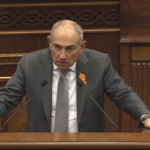
Nikol Pashinyan questioned the mother who lost three fingers defending her children from an Azerbaijani soldier: “It’s a normal criminal situation, they should have waited for the police to arrive.”
Diario Armenia / 7 hours ago
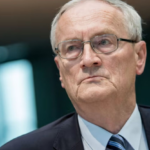
Former German intelligence chief August Hanning was arrested for alleged links to Azerbaijani intelligence.
Diario Armenia / Oct 6
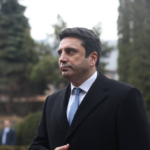
Nikol Pashinyan's government escalates its attacks against the Armenian diaspora: "Stay away from our country, shut your mouths."
Diario Armenia / Oct 6
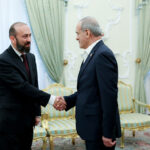
Iran again warns Yerevan about third-country interference
Diario Armenia / Oct 6
Related coverage
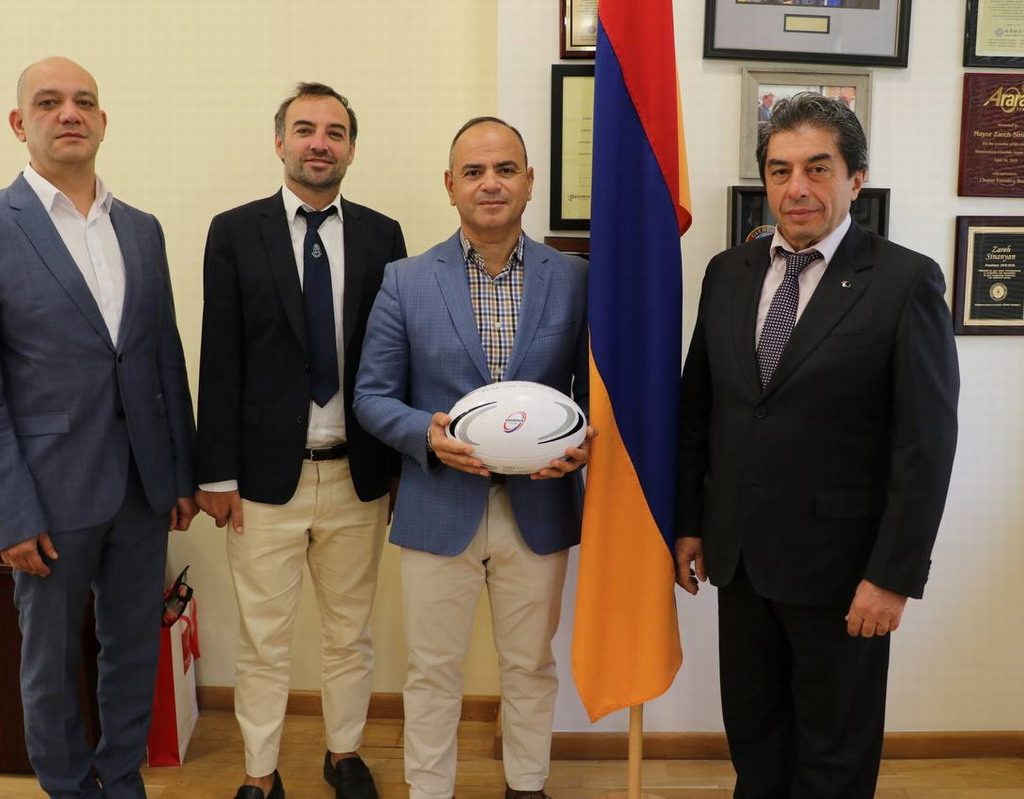
Armenia promotes the development of national rugby with the support of the diaspora
Soy Armenio / Oct 6
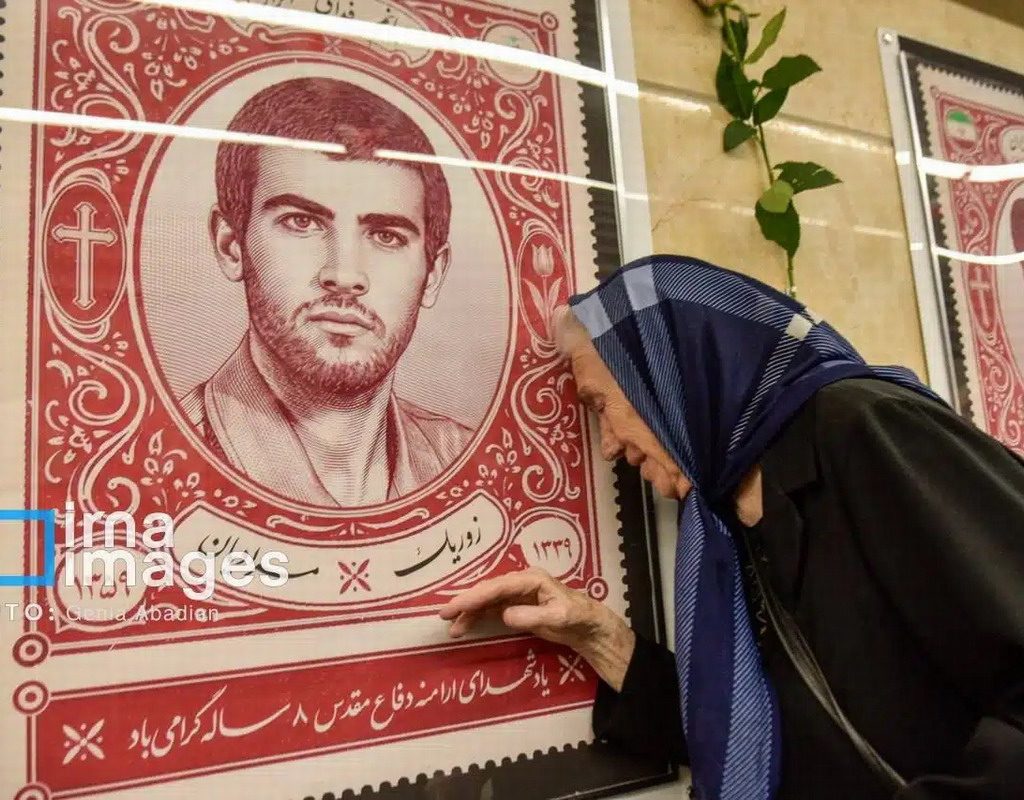
Tehran metro pays tribute to Armenian soldiers killed in Iran-Iraq war
Soy Armenio / Oct 1
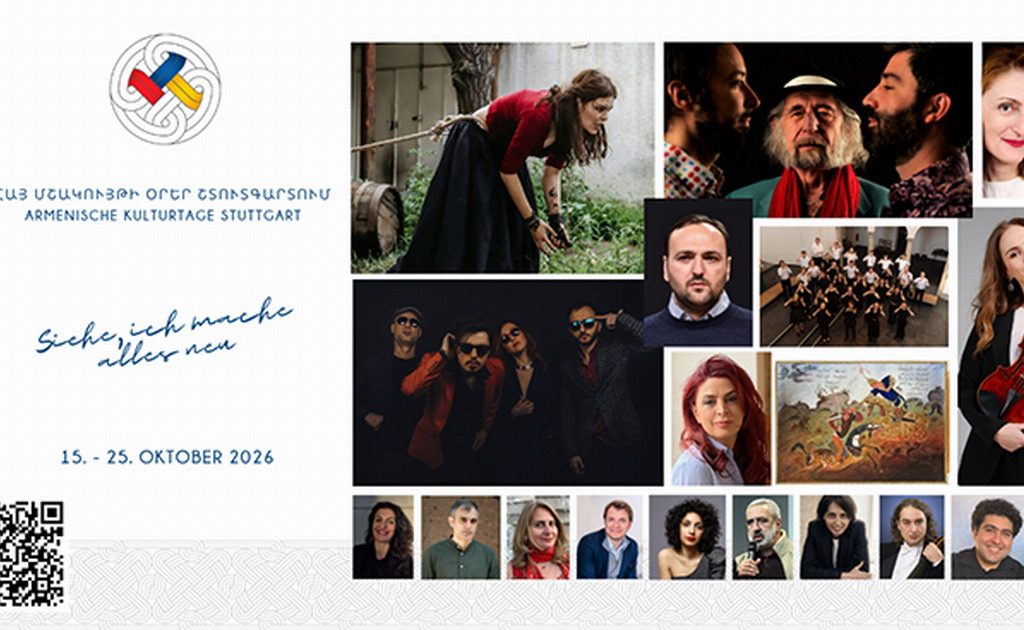
Stuttgart hosts Armenian Cultural Days 2026 under the theme of contemporary renewal
Soy Armenio / Sep 30
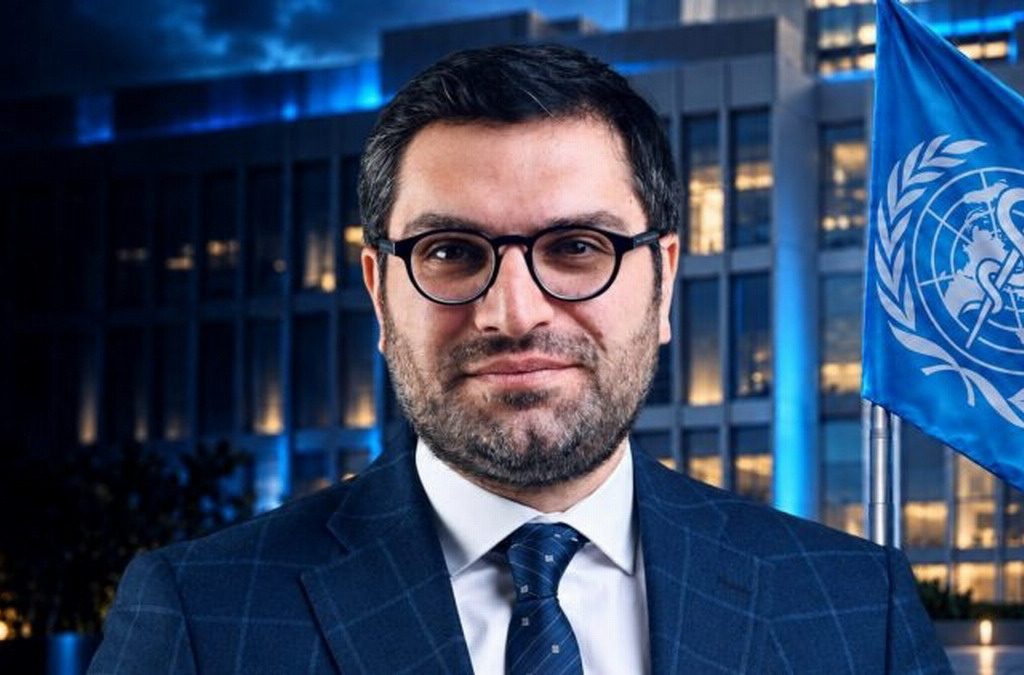
International organizations support the candidacy of Armenian oncologist Gevorg Tamamyan as head of the WHO
Soy Armenio / Sep 30