GeorgiaUK sanctions Tbilisi Mayor’s brother-in-law and others over trip to Russian-occupied Donetskby Lana Kokaia (Updated: 5 days ago )• 3 min readShare▲Six individuals sanctioned by the UK. OC Media collage. Photos via social media.The UK has sanctioned four Georgian nationals over activities linked to Russia’s full-scale invasion of Ukraine — including Paata Abuladze, the brother-in-law of Tbilisi Mayor Kakha Kaladze. The UK also imposed sanctions on South Ossetia’s current and former leaders. The sanctions target four Georgian nationals — Mamuka Pipia, the leader of Solidarity for Peace; Giorgi Iremadze, a member of the pro-Russian Solidarity for Peace’s political council and founder of the Union of Young Eurasians of Georgia; Nikoloz Mzhavanadze, founder of Sezoni TV and the current head of the Taonews portal; and Paata Abuladze, a Georgian political and military commentator — as well as South Ossetia’s current and former presidents, Marat Kambolov and Alan Gagloev. The measures include asset freezes, a ban on travelling to the UK, restrictions on trust services, and a ban on serving as a company director. The UK announced the sanctions as part of a wider package targeting individuals and entities over activities it says threaten Ukraine’s sovereignty, territorial integrity, and independence. Mamuka Pipia is the leader and international secretary of the Solidarity for Peace party. Solidarity for Peace has campaigned for restoring diplomatic relations between Georgia and Russia. The UK says he led a delegation of Georgian politicians to Russian-occupied Donetsk, where they met the head of the so-called Donetsk People’s Republic, and subsequently publicised the visit. The UK also says Pipia has promoted Russian disinformation narratives. Giorgi Iremadze is a member of Solidarity for Peace’s political council and the founder of the Union of Young Eurasians of Georgia. The UK says he joined a delegation of Georgian politicians to Donetsk, where they met the head of the so-called Donetsk People’s Republic, and subsequently publicised the visit. The sanctions notice says there are reasonable grounds to suspect that Iremadze has been involved in providing support or promoting policies or actions that destabilise Ukraine or threaten its territorial integrity, sovereignty, or independence. The founder of Sezoni TV, Nikoloz Mzhavanadze, was sanctioned for allegedly taking part in a delegation of Georgian politicians to Donetsk. The UK government said his involvement in the visit amounted to supporting or promoting actions that destabilise Ukraine or threaten its territorial integrity and sovereignty. Paata Abuladze, Kaladze’s brother-in-law, is described in the British sanctions notice as a Georgian political and military observer. Abuladze is the husband of Kaladze’s step-sister. The UK says he also took part in the visit to Donetsk and that there are reasonable grounds to suspect that he has supported or promoted actions that undermine or threaten Ukraine’s sovereignty, territorial integrity, or independence. Alan Gagloev, who was South Ossetia’s president from 2022 to 2026, is now an adviser to Russian President Vladimir Putin. The UK says he has obtained a benefit from or supported the Russian government by working in this role. Marat Kambolov became South Ossetia’s President on 30 September. The UK says Kambolov obtained a benefit from the Russian government through his work as a director or equivalent manager at the Kurchatov Institute between 2015 and 2025. The British sanctions notice says the institute operates in Russia’s energy sector and is a Russia-affiliated entity. The British Embassy in Georgia said the UK was sanctioning 31 individuals, entities, and ships under its Russia sanctions regulations. It said three of the sanctioned individuals had links to Abkhazia and South Ossetia: Kambolov, Gagloev, and Sergey Tolmachev. The embassy said Russia’s war against Ukraine was part of a wider pattern of disregard for the sovereignty, territorial integrity, and internationally recognised borders of its neighbours, including Georgia. It also said the UK condemned Russia’s attempts to consolidate its control over ‘Georgia’s occupied regions, including the so-called presidential election held in South Ossetia on 18 September’. The UK said it remained committed to supporting Georgia’s sovereignty and territorial integrity within its internationally recognised borders. Abuladze reacted to the sanctions in a Facebook Live broadcast. ‘The UK “congratulated” me on 1 October. It sanctioned me [...] I was always annoyed that they were sanctioning such people — it was embarrassing that they weren’t sanctioning me. Give them my big thanks. You won’t be able to give me a bigger present for my wife’s birthday, so don’t even try’, he said. The UK has previously sanctioned several current and former Georgian government officials. In December 2024, it sanctioned five senior Interior Ministry officials over their alleged roles in violent attacks against journalists and peaceful protesters. In April 2025, it imposed financial sanctions on judges Levan Murusidze and Mikheil Chinchaladze, accusing them of serious corruption. Later, the UK also sanctioned several other senior Georgian officials, including Prosecutor General Giorgi Gabitashvili, over their alleged roles in serious human rights violations in response to protests. Officials from the Georgian government have also faced individual sanctions from several EU member states, while the EU has suspended visa-free travel for Georgian diplomatic and service passport holders. For ease of reading, we choose not to use qualifiers such as ‘de facto’, ‘unrecognised’, or ‘partially recognised’ when discussing institutions or political positions within Abkhazia, Nagorno-Karabakh, and South Ossetia. This does not imply a position on their status. Lana Kokaia joined OC Media as a Georgia staff writer in August 2026. She has been a journalist since 2015.
Already in English.
3 full-article translations/day — headlines & summaries always free. Create free account for 25/day
UK sanctions Tbilisi Mayor’s brother-in-law and others over trip to Russian-occupied Donetsk
South Ossetia’s current and former leaders are also included in the latest sanctions package

Comments
No comments yet — be the first to comment.
More from OC Media
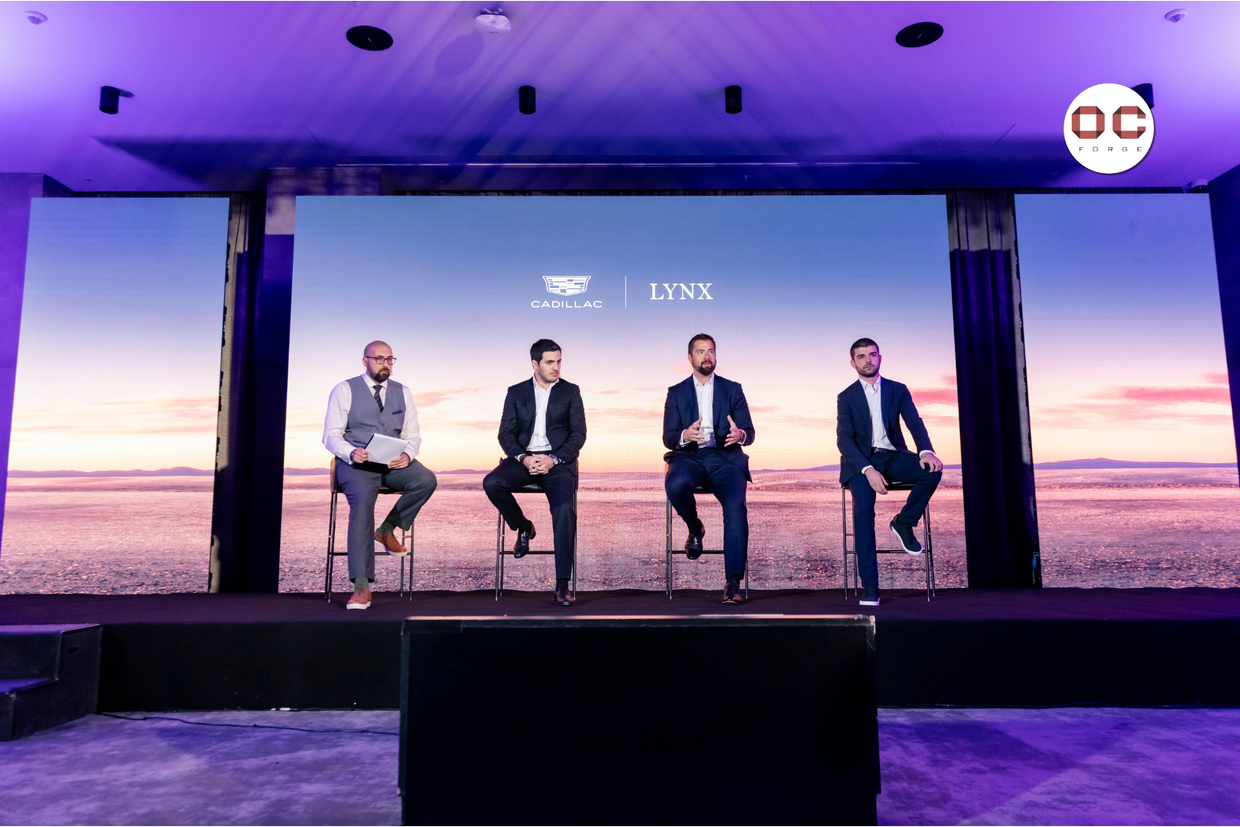
American Brand Cadillac Coming Soon to Georgia’s Premium Automotive Market
OC Media / 6 hours ago

Pankisi educational centres evicted after losing funding due to Georgia’s grant laws
OC Media / 6 hours ago

Armenia and Turkey discuss restoring Gyumri–Kars power line
OC Media / 8 hours ago

Georgian prisoners allege they were punished for expressing solidarity with Giorgi Davitadze
OC Media / 8 hours ago
Related coverage

Հայաստանի մշակույթի օրերը մեկնարկում են Վրաստանում․ քննարկվել է առաջիկա միջոցառումների ծրագիրը
168 Jham / 17 minutes ago
Հայաստանի և Ադրբեջանի միջև հաղորդակցությունների ապաշրջափակման վերաբերյալ մշակված մոտեցումները դեռևս արդիական են․ ՌԴ ԱԳՆ
168 Jham / 18 minutes ago
Բուլղարիայի նախագահն Ազգային անվտանգության խորհուրդ է գումարում Սև ծովում նավերի վրա ԱԹՍ-ների հարձակումներից հետո
168 Jham / 19 minutes ago
Կանադայի վարչապետն առաջին անգամ Թուրքիա կմեկնի առանձին երկկողմ այցով
168 Jham / 21 minutes ago