Showing in English.
5 full-article translations/day — headlines & summaries always free. Create free account for 25/day
Amarás Monastery, the cradle of the Armenian alphabet that resists under the Azerbaijani yoke
Monasterio de Amarás, la cuna del alfabeto armenio que resiste bajo el yugo azerbaiyano
Along with Echmiadzin in Vagharshapat and the Yeritsvank complex in the Syunik province, Amarás testifies to the Armenian presence in the region from the 4th and 5th centuries, underpinning the development of the [...]
Junto a Echmiadzin en Vagharshapat y el complejo de Yeritsvánk en la provincia de Syunik, Amarás es testimonio de la presencia armenia en la región desde los siglos IV y V, apuntalando el desarrollo del [...]
Read more >>
Leer más >>
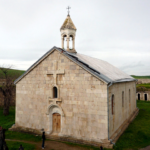
Along with Echmiadzin in Vagharshapat and the Yeritsvank complex in the Syunik province, Amaras stands as a testament to the Armenian presence in the region since the 4th and 5th centuries, underpinning the development of Christianity for over 1,700 years.
Junto a Echmiadzin en Vagharshapat y el complejo de Yeritsvánk en la provincia de Syunik, Amarás es testimonio de la presencia armenia en la región desde los siglos IV y V, apuntalando el desarrollo del cristianismo por más de 1.700 años.
Six years have just passed since the treacherous and unjustified attack by Azerbaijani troops against the Republic of Artsakh, thus beginning the 44-Day War in September 2020. This resulted in a series of destructions and vandalism of numerous monuments, as well as the desecration of dozens of ancient churches.
Se acaban de cumplir seis años del artero e injustificado ataque de las tropas azeríes contra la República de Artsaj, iniciando de ese modo la Guerra de los 44 días en septiembre de 2020, lo que supuso una secuencia de destrucción y vandalización de numerosos monumentos así como la profanación de decenas de iglesias milenarias.
Therefore, it is especially relevant today to take a closer look at the Monastery of Amaras, an architectural gem from the 4th century in the heart of Artsakh, in the center of that tenth province of the former Armenian Kingdom.
Por eso hoy adquiere especial relevancia hacer un doble click sobre el Monasterio de Amarás, una joya arquitectónica del siglo IV en el corazón de Artsaj, en el centro de aquella décima provincia del antiguo Reino Armenio.
In this context, it's worth remembering that when Armenians were already building churches and religious centers in Artsakh in the 300s CE, the Azerbaijanis weren't even on the regional map. They were still wandering the steppes of Central Asia, and it would be more than 1,600 years before a political entity called Azerbaijan would come into being.
En este contexto, nunca está de más recordar que cuando los armenios ya construían iglesias y centros religiosos en Artsaj en los años 300 de la era cristiana, los azeríes ni siquiera figuraban en el mapa regional, aún estaban deambulando por las estepas del Asia Central y faltaban todavía más de 1.600 años para que una entidad política llamada Azerbaiyán viera la luz pública.
But let's return to the Amaras complex. It's an architectural structure of singular historical and religious value, surviving alongside the Surp Echmiadzin Cathedral, built in the same century between 301 and 303 CE, and the recent discovery of the Yeritsvank Monastic Complex in Syunik, which dates from the 5th or 6th century and is a bastion of an era of splendor for Armenian culture and art.
Pero volvamos al complejo de Amarás. Se trata de una construcción arquitectónica de singular valor histórico y religioso, sobreviviente junto con la Catedral de Surp Echmiadzín construida en ese mismo siglo entre los años 301 y 303, y el reciente descubrimiento del Complejo Monástico de Yeritsvank en Syunik, que data del siglo V o VI, y baluarte de una era de esplendor de la cultura y el arte armenios.
The three religious centers constitute a perfect expression of Armenian religious architecture from the early Christian period, which extended throughout the region until the High Middle Ages. They stand as faithful witnesses to the deep roots of the Armenian people in these ancestral lands, despite Azerbaijani propaganda, fueled by abundant petrodollars, attempting to present the world with a distorted and manipulated view of reality.
Los tres centros religiosos constituyen una expresión acabada de la arquitectura religiosa armenia de comienzos del cristianismo en la Edad Antigua, que se extendería en la región hasta la Alta Edad Media, y son fieles testigos de la raigambre del pueblo armenio en esas tierras ancestrales, por más que la propaganda azerí, regada con abundantes petrodólares, intente hacer creer al mundo una visión distorsionada y manipulada de la realidad.
Illustrious Promoter
Ilustre impulsor
The Amaras Monastery is located in the Martuni region, near the village of Machkalashen, 10 kilometers southeast of the city of Martuni. According to ancient chroniclers, its construction was commissioned by Surp Krikor Lusavorich himself, the father of the Armenian Apostolic Church, at the beginning of the 4th century.
El Monasterio de Amarás está emplazado en la región de Martuní, cerca del pueblo de Machkalashén, a 10 kilómetros al sudeste de la ciudad de Martuní, y según cronistas de la Antigüedad su construcción fue por decisión del mismísimo Surp Krikor Lusavorich, el padre de la Iglesia Apostólica Armenia, a comienzos del siglo IV.
The event was mentioned by the 7th-century Armenian historian Movses Kaghankatvatsi, who described in detail the Armenian presence in the region and all the evangelizing activity of Lusavorich in his "History of the Province of Aghvank."
El hecho fue mencionado por el historiador armenio del siglo séptimo Movsés Kaghankatvatsí, quien describió en detalle la presencia armenia en la región y toda la actividad evangelizadora de Lusavorich en su “Historia de la Provincia de Aghvank”.
Amaras is located in the Artsakh Valley, surrounded by vineyards, forests, and hills, among which Mount Lusavorich stands out. It was named in honor of the first Armenian Catholicos, who, according to legend, while traveling through the region and seeking a site to build a religious center, lay down on its slopes to meditate and consider the next steps in his evangelizing work.
Amarás está sobre el valle de Artsaj, rodeado por viñedos, bosques y algunas colinas, entre las que sobresale el Monte Lusavorich, bautizado de ese modo en honor al primer Katolikós armenio, donde según la leyenda, de viaje por la región y en busca de elegir un emplazamiento para construir un centro religioso, se recostó sobre la ladera a meditar y pensar los próximos pasos de su obra evangelizadora.
From the end of the 1530s and for 1,700 years, Amaras served as the main ecclesiastical center of Christian Armenia in the region. For several centuries, it even served as the seat of the Aghvank Catholicosate of the Armenian Apostolic Church, before the latter was transferred to the Gandzasar Monastery at the end of the 14th century.
Desde finales de la tercera década de ese siglo y a lo largo de 1.700 años, Amarás sirvió como principal centro eclesiástico de la Armenia Cristiana en la región. Incluso durante varios siglos fue sede del Katolikosado de Aghvank de la Iglesia Apostólica Armenia, antes de que ésta fuera trasladada al Monasterio de Gandzasar a fines del siglo XIV.
The complex was built as part of a strategy to spread Christianity from Armenia eastward, in what was the ancient province of Artsakh, which bordered the Aghvank, or Caucasian Albanians, to the north. This people, now extinct, is often portrayed by Azerbaijan as the ancestors of the Azerbaijanis. Over time, and with Christian indoctrination beginning in the 4th century, they adopted the Christian faith as their religion.
El complejo se levantó en el marco de la estrategia de difusión del cristianismo desde Armenia y hacia el Este, en lo que era la antigua provincia de Artsaj, que lindaba al norte con los Aghvank o albaneses caucásicos. Se trata de un pueblo hoy desaparecido de la faz de la Tierra, que Azerbaiyán insiste en presentar como los ancestros de los azeríes. Con el correr de los años, y el adoctrinamiento cristiano a partir del siglo IV, adoptaron la fe de Cristo como su religión.
The Martyrdom of Krikoris
El martirio de Krikorís
In Amaras lies Surp Krikoris, grandson of Surp Krikor Lusavorich, who had been sent to the region to evangelize the pagan tribes of Dagestan and the North Caucasus and was martyred in 348. As can be seen, the monastery bears traces of the rise and consolidation of Christianity as the state religion in Armenia, adopted by King Drtad III of the Arsahkuni dynasty at the urging of Krikor Lusavorich in 301.
En Amarás está enterrado Surp Kirkorís, nieto de Surp Krikor Lusavorich, quien había sido enviado a la región para evangelizar a las tribus paganas de Daghestán y el Cáucaso Norte y fue martirizado en el año 348. Como se ve, en el monasterio hay trazos del surgimiento y la consolidación del cristianismo como religión de Estado en Armenia, adoptado por el rey Drtád III, de la dinastía Arsahkuní, a instancias de Krikor Lusavorich, en el año 301..
According to Movses Kaghankatvatsi, Surp Krikoris began evangelizing in the land of the Mazkuts, a confederation of Scythians and Huns, in what is now Dagestan, south of the Russian Federation, with some initial success, despite the Mazkuts being a hostile people.
Según cuenta Movsés Kaghankatvatsí, Surp Krikorís comenzó a evangelizar en la tierra de los Mazkuts, una confederación de escitas y hunos, en lo que hoy es Daghestán, al sur de la Federación de Rusia, con algo de suerte al comienzo, pese a que los mazkuts eran un pueblo hosco.
Preaching the Holy Bible, he was well received by numerous Mazkuts, who converted to Christianity, among them three sons of King Sanesan, whose dynasty was related to the Parthian kings and the Armenian Arshakuni.
Predicando la Santa Biblia tuvo buena acogida de numerosos mazkuts, que se convirtieron al cristianismo, entre ellos tres hijos del rey Sanesan, cuya dinastía estaba emparentada con los reyes partos y los armenios Arshakuní.
This was crossing a red line that cost Krikoris dearly. The Mazkuts were a warlike and invasive tribe, and tension with their neighbors was always simmering. Krikoris was accused of being a spy for the Armenian king, who sought to neutralize them by converting them to Christianity. He was captured and tortured. According to Movses Kaghankatvatsi, his body was tied to a wild horse and released on the Vatnean plain, near the Caspian Sea.
Fue cruzar una línea roja que le costó muy caro a Krikorís. Siendo los mazkuts una tribu guerrera e invasora, la tensión con sus vecinos estaba siempre latente. Krikorís fue acusado de ser un espía del rey armenio, que buscaría neutralizarlos convirtiéndolos al cristianismo. Fue capturado y torturado. Según Movsés Kaghankatvatsí su cuerpo fue atado a un caballo salvaje y soltado en la planicie de Vatnean, cerca del mar Caspio.
His disciples claimed his body, and after some time and not without considerable difficulty, they managed to secretly transport it to the village of Myus Haband, bordering Amaras, and bury it near the northern wall of the Amaras Monastery.
Sus discípulos reclamaron el cuerpo, luego de un tiempo y no sin pocas dificultades lograron trasladarlo secretamente hasta el pueblo de Myus Haband, lindero con Amarás, y enterrarlo cerca del muro norte del Monasterio de Amarás.
The First School
La primera escuela
Another very important fact about Amaras is that it housed the first school for teaching the Armenian alphabet, founded by none other than Surp Mesrob Mashtots, who set out to disseminate this new invention among his students. This invention had been a fundamental milestone in Armenian identity in the year 406.
Otro dato muy relevante de Amarás es que funcionó allí la primera escuela de enseñanza del alfabeto armenio, fundada nada menos que por Surp Mesrob Mashtóts, quien se propuso divulgar entre sus alumnos la nueva invención, que había sido un hito fundamental de la identidad armenia en el año 406.
After the invention of the alphabet, Mesrob Mashtots made several journeys east to evangelize and spread the teaching of the written Armenian language, establishing his base in Amaras. From there, following in some ways the route taken by Krikoris a century earlier, he ventured into the Aghvank tribes located north of Artsakh and Utik, where Armenians predominated, working there for several years.
Tras la invención del alfabeto, Mesrob Mashtóts realizó varios viajes al Este para evangelizar y difundir la enseñanza del idioma armenio escrito, haciendo base en Amarás. Desde allí, siguiendo en algún sentido la ruta que había hecho Krikorís un siglo antes, se adentró en las tribus aghvánk situadas al norte de Artsaj y Utik, donde predominaban los armenios, trabajando allí durante varios años.
The history of Amaras is marked by the glory of its periods of prosperity and the pain of defeat and destruction at other times. One of these was the heroic Battle of Vartanank in 451, when the Armenian people, led by their supreme commander, Sparabed Vartan Mamikonian, fought in defense of their faith against the Persians, who sought to impose Zoroastrianism.
La historia de Amarás está atravesada por la gloria de los momentos de auge y el dolor de la derrota y la destrucción en otros pasajes de la historia. Una de ellas fue la heroica Batalla de Vartanank en el 451, cuando el pueblo armenio liderado por el comandante supremo “Sparabed” Vartán Mamigonian luchó en defensa de la fe contra los persas, que querían imponer la profesión del Zoroastrismo.
When Vartan Mamikonian was killed in battle, his nephew, Vahan Mamikonian, succeeded him as commander of the troops. In 484, Vahan signed the Treaty of Nvarsak with representatives of the Persian ruler Peroz I. This was the first official document in the world to recognize freedom of worship, in this case for the Armenians, who were able to continue freely practicing Christianity.
Muerto en combate Vartán Mamikonian fue sucedido al mando de las tropas por su sobrino Vahán Mamigonian, quien en el año 484 firmó el Tratado de Nvarsák con los representantes del gobernante persa Peroz I. Fue el primer documento oficial a nivel mundial en reconocer la libertad de culto, en este caso para los armenios, que pudieron seguir profesando libremente el cristianismo.
After Nvarsak, the Amaras complex, which had been severely damaged, was restored by Vachagan II the Pious, ruler of Artsakh.
Luego de Nvarsák, el complejo de Amarás, que había quedado muy dañado, fue restaurado por Vachagán II El Piadoso, gobernante de Artsaj.
New blows
Nuevos golpes
From the 9th century onward, violent times once again affected Amaras. With the Arab invasion of 821, the monastery was sacked and could only be restored thanks to the efforts of one of the most prominent Armenian opponents of the Caliphate, Yesai Arranshahik, ruler of the Principality of Dizak in southern Artsakh.
A partir del siglo IX, los tiempos violentos volvieron a afectar a Amarás. Con la invasión árabe de 821 el monasterio fue saqueado y sólo pudo ser restaurado gracias al esfuerzo de uno de los opositores armenios más relevantes al Califato, Yesai Arranshahik, gobernante del Principado de Dizak, en el sur de Artsaj.
In 1223, the Mongol hordes arrived in Armenia and again sacked the monastery. This time they took the staff of St. Gregory the Illuminator and a large gold cross adorned with 36 precious stones. In his work "History of the Province of Syunik," Stepanos Orbelian recounts that Princess Despina, the Byzantine wife of a Mongol leader, convinced her husband to send the relics to Constantinople.
En 1223, llegaron a Armenia las hordas mongolas y nuevamente saquearon el monasterio. Esta vez se llevaron el báculo de San Gregorio el Iluminador y una gran cruz de oro adornada con 36 piedras preciosas. En su obra “Historia de la provincia de Syunik”, Stepanos Orbelian, cuenta que la princesa Despina, esposa bizantina de un caudillo mongol, convenció a su marido de enviar las reliquias a Constantinopla.
A century and a half later, it would be the turn of the feared Timur, also known as Timur the Lame. In 1387, Amaras, along with many other religious sites in Armenia and Georgia, was targeted by Timur's invading armies. According to legend, after destroying the monastery, Tamerlane ordered his soldiers to throw the stones of the dismantled church of Surp Krikoris into the Arax River.
Un siglo y medio después sería el turno del temido Tamerlán, también conocido como Lek Timur (Timur El rengo). En 1387, Amaras junto a muchos otros lugares religiosos de Armenia y Georgia fueron blanco de los ejércitos invasores de Tamerlán. Según la leyenda, tras destruir el monasterio, Tamerlán ordenó a sus soldados tirar al río Arax las piedras de la desmantelada iglesia de Surp Krikoris.
Amaras was rebuilt many years later, and in the 17th century, it experienced a revival thanks to the work of Bedros IV Khandzketsi, Catholicos of Aghvank and Patriarch of the Eastern Eparchies of the Armenian Apostolic Church. During the Melik dynasty's rise in the 18th century, the family of Melik Shahnazarian contributed significant resources to rebuild the monastery.
Amarás fue reconstruido muchos años después y en el siglo XVII, Amaras vivió un renacimiento, gracias al trabajo de Bedrós IV Khandzketsi, Katolikós de Aghvank y patriarca de las eparquías orientales de la Iglesia Apostólica Armenia. Durante el auge de los Meliks en el siglo XVIII la familia de Melik Shahnazarian aportó importantes recursos para reconstruir el monasterio.
Then came the era of the Russian Empire in the 19th century and later the Sovietization of Armenia, when the Church ceased to function, for obvious reasons. But Amaras was key to the resurgence of Armenian and religious identity after the rise of the Karabakh Movement in 1988 and during the existence of the Republic of Nagorno-Karabakh, until the ethnic cleansing of 2023, with its well-known consequences.
Luego llegarían los tiempos del Imperio Ruso en el siglo XIX y más tarde la sovietización de Armenia, cuando la Iglesia dejó de funcionar, por razones obvias. Pero Amarás fue clave para el resurgir de la identidad armenia y religiosa tras la irrupción del Movimiento Karabaj en 1988 y durante la vigencia de la República de Nagorno Karabaj, hasta la limpieza étnica de 2023, con el resultado conocido.
Carlos Boyadjian
Carlos Boyadjian
Comments
No comments yet — be the first to comment.
More from Diario Armenia
Instead of solving the problems of Artsakh residents who lost their homes, the authorities are advising them to look outside Yerevan.
Diario Armenia / 10 hours ago
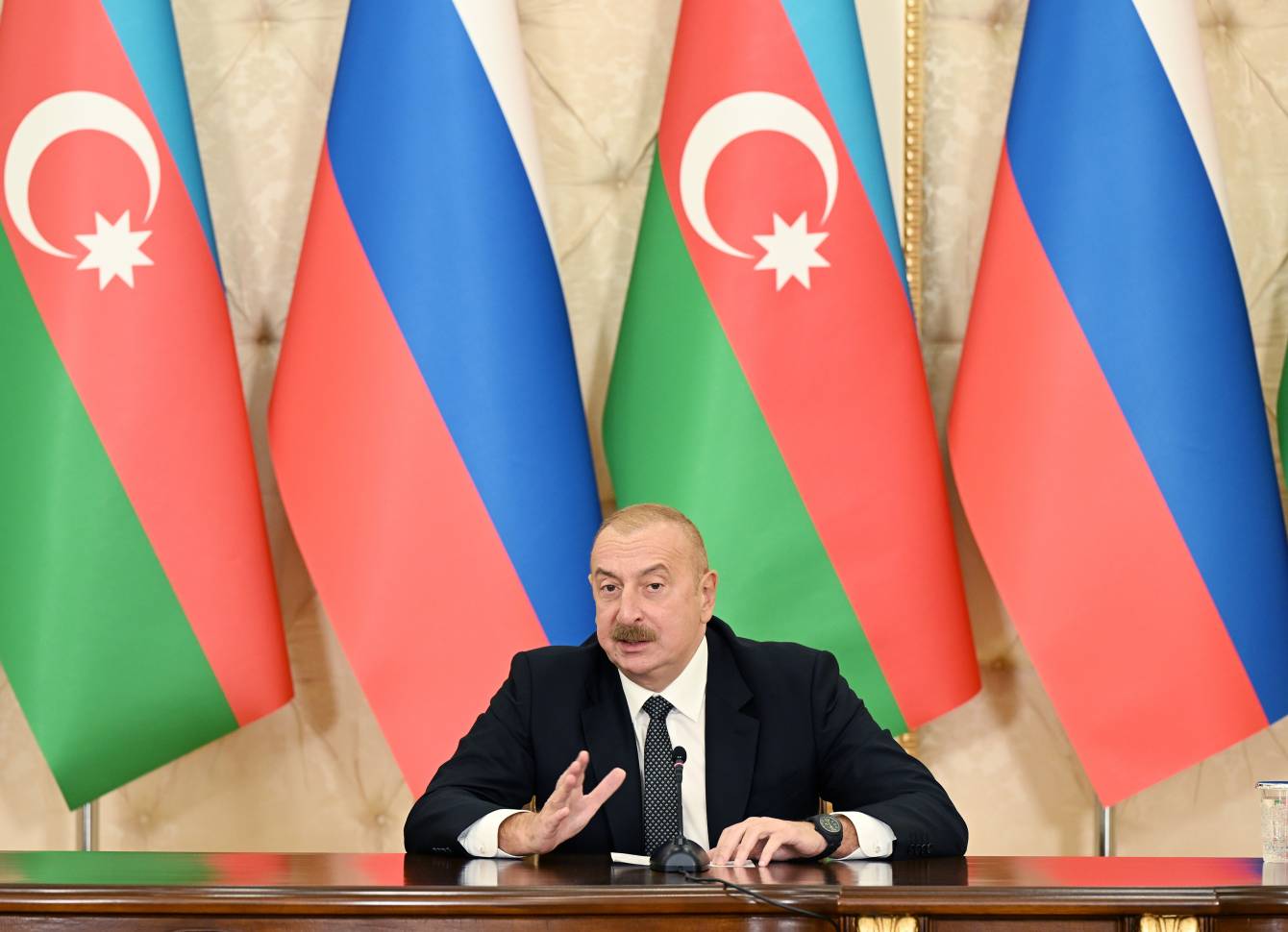
Aliyev: "Azerbaijan and Armenia have jointly nominated Trump for the Nobel Peace Prize on my initiative"
Diario Armenia / 11 hours ago
Azdak Editorial: The Translators and the Unity of State and Church
Diario Armenia / 11 hours ago

Diego Masaragian was appointed National Secretary for Disability of the Argentine government
Diario Armenia / 11 hours ago
Related coverage
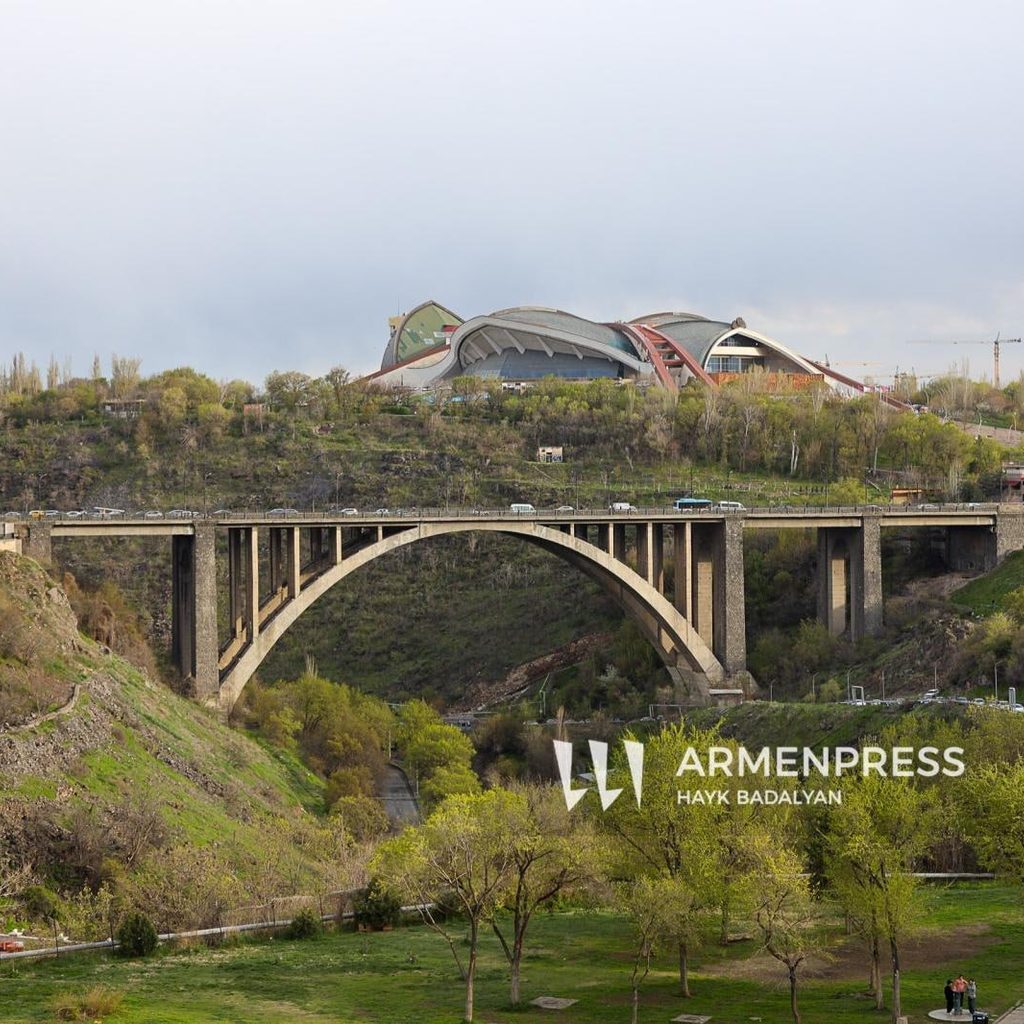
Yerevan declares the Hrazdan Gorge a specially protected natural area
Soy Armenio / 3 hours ago
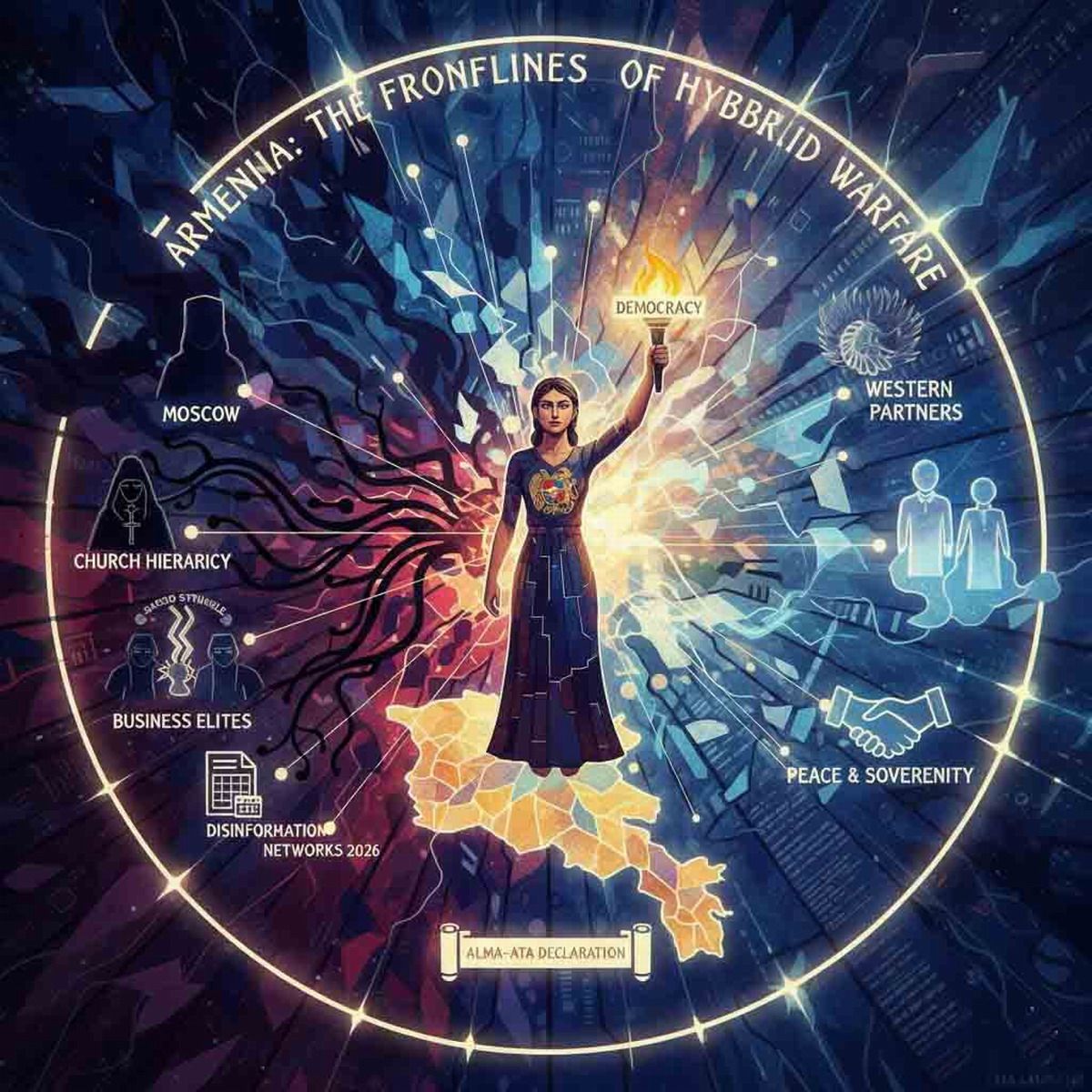
The war without threshold against Europe that Armenia already knows. By Klaus Lange Hazarian
Soy Armenio / 17 hours ago
Twenty-nine countries accuse Iran of sabotage, cyberattacks, and international conspiracies
Soy Armenio / 20 hours ago
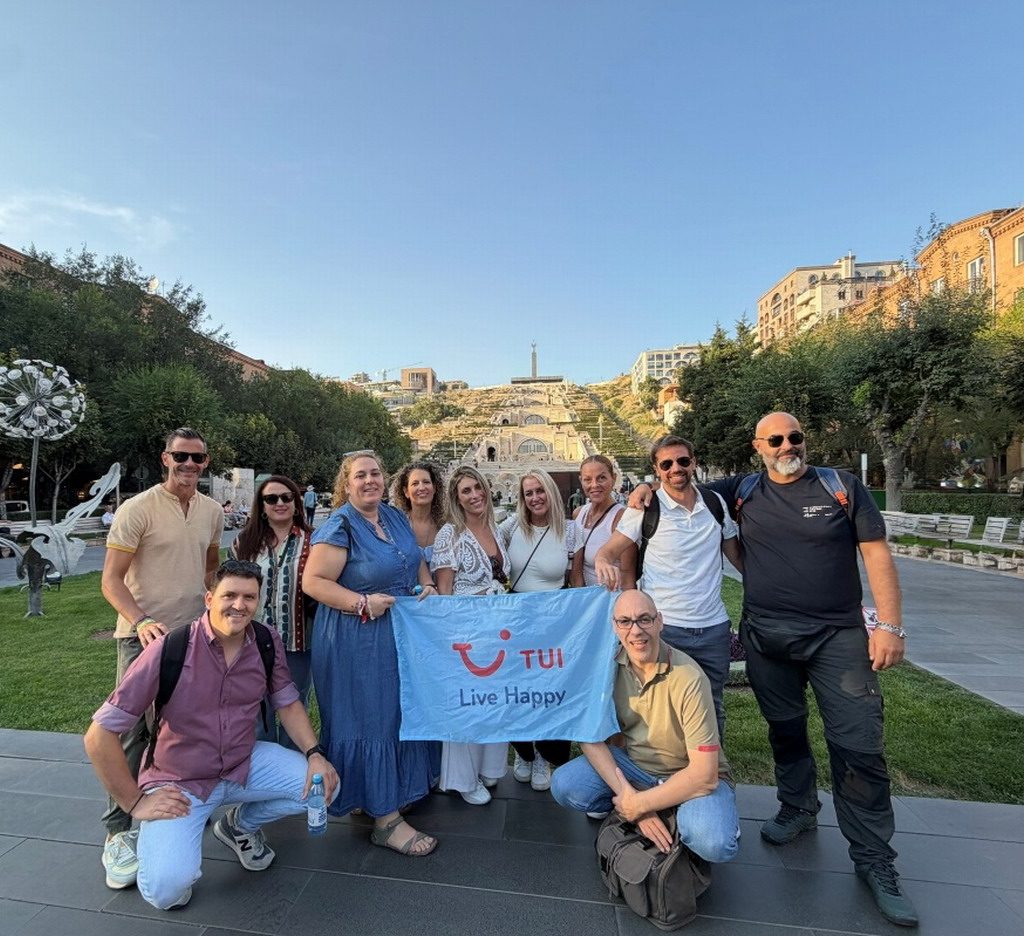
RECONOMY initiative boosts the tourism potential of Armenia and Georgia in the Spanish market
Soy Armenio / 23 hours ago