Showing in English.
5 full-article translations/day — headlines & summaries always free. Create free account for 25/day
Ukraine celebrates the 235th anniversary of the Day of the Armenian Icon of the Mother of God.
В Украине отмечают 235-летие Дня иконы Армянской Богородицы
Every year, June 27th marks the Day of the Armenian Mother of God of Kamianets-Podilskyi.
Ежегодно 27 июня отмечается День иконы Армянской Богородицы из Каменца-Подольского.
According to
Как сообщает
net, the icon was venerated by believers of all three Christian rites in Kamianets-Podilskyi – Armenians, Ukrainians, and Poles.
net, известно, что икону почитали верующие всех трех христианских обрядов города Каменец-Подольский – армяне, украинцы и поляки.
"A connecting thread of centuries and peoples," is how renowned Ukrainian scholar Irina Gayuk described the Icon of the Armenian Mother of God of Kamianets-Podilskyi.
«Веков и народов связующая нить», так охарактеризовала известный украинский ученый Ирина Гаюк Икону армянской Богородицы из Каменца Подольского.
"This icon, like no other artifact, with the exception of […]
«Эта икона как никакой другой артефакт, за исключением, […]
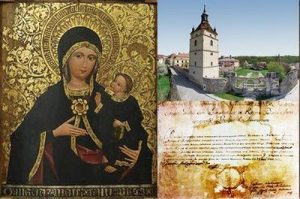
Every year, June 27th marks the Day of the Armenian Icon of the Mother of God of Kamianets-Podilskyi.
Ежегодно 27 июня отмечается День иконы Армянской Богородицы из Каменца-Подольского.
According to AnalitikaUA.net, the icon was venerated by believers of all three Christian rites in Kamianets-Podilskyi – Armenians, Ukrainians, and Poles.
Как сообщает AnalitikaUA.net, известно, что икону почитали верующие всех трех христианских обрядов города Каменец-Подольский – армяне, украинцы и поляки.
"A connecting thread of centuries and peoples" is how renowned Ukrainian scholar Iryna Gayuk described the Icon of the Armenian Mother of God of Kamianets-Podilskyi.
«Веков и народов связующая нить», так охарактеризовала известный украинский ученый Ирина Гаюк Икону армянской Богородицы из Каменца Подольского.
"This icon, like no other artifact, with the possible exception of the Lviv Armenian Cathedral of the Dormition of the Blessed Virgin Mary, embodies the history of Armenians in the lands of Ukraine."
«Эта икона как никакой другой артефакт, за исключением, быть может, львовского армянского собора Успения Пресвятой Богородицы, воплощает историю армян на землях Украины.
Brought to Kamianets-Podilskyi from Crimea, possibly painted by order of the Armenian community in Venice, it traveled halfway across Europe in the 17th century after the city's occupation by the Turks and eventually returned here after its liberation. However, the miraculous icon had to wait a long time for the restoration of the Cathedral of St. Nicholas in the Armenian Chapel of St. Stephen (the cathedral's bell tower), and only on June 27, 1791, was the icon solemnly consecrated and transferred to the restored cathedral, a day that Lviv's Armenian Archbishop Tumanovich proclaimed a great feast.
Привезенная в Каменец-Подольский из Крыма, написанная, возможно, по заказу армянской общины в Венеции, проехавшая половину Европы в 17 веке после оккупации города турками и все равно возвратившаяся сюда после его освобождения. Правда, чудотворному образу пришлось долго ждать восстановления собора св. Николая в армянской часовне св. Стефана (соборной колокольне), и лишь 27 июня 1791 г. икона была торжественно освящена и перенесена в восстановленный собор, а этот день львовский армянский архиепископ Туманович провозгласил великим праздником.
The icon was venerated by believers of all faiths in the city—Armenian Catholics, Orthodox Ukrainians, and Roman Catholic Poles—who turned to it for help, comfort, and protection. But in 1920, after the cathedral was looted by the Bolsheviks, the icon disappeared and was considered lost for nearly 100 years—until 2006, when it was discovered in Kyiv's Varvara and Bohdan Khanenko Museum.
Икону почитали верующие всех конфессий города – армяно-католики, православные украинцы и римо-католики поляки, шли к ней за помощью, искали утешения и защиты. Но в 1920 г. после разграбления собора большевиками икона исчезла и считалась пропавшей почти 100 лет – до момента, когда в 2006 году она была обнаружена в киевском музее им. Варвары и Богдана Ханенко.
After a thorough attribution process confirmed its authenticity, its ceremonial presentation took place at the Varvara and Bohdan Khanenko Museum on June 27, 2012. “Varvara and Bohdan Khanenko,” noted Irina Gayuk.
После тщательной атрибуции, подтвердившей ее подлинность, 27 июня 2012 года состоялась ее торжественная презентация в музее им. Варвары и Богдана Ханенко», — отметила Ирина Гаюк.
Comments
No comments yet — be the first to comment.
More from AnalitikaUA

Estonia has banned grain transit from Russia and Belarus
AnalitikaUA / Oct 3

Explosion in Moscow, Kremlin hides death toll: series of heavy blows and many losses
AnalitikaUA / Oct 3

The US begins mass production of naval drones
AnalitikaUA / Oct 2

Denmark prepares drones to monitor Russian fleet in the Arctic
AnalitikaUA / Oct 1
Related coverage
No related coverage from other sources yet.