Showing in English.
5 full-article translations/day — headlines & summaries always free. Create free account for 25/day
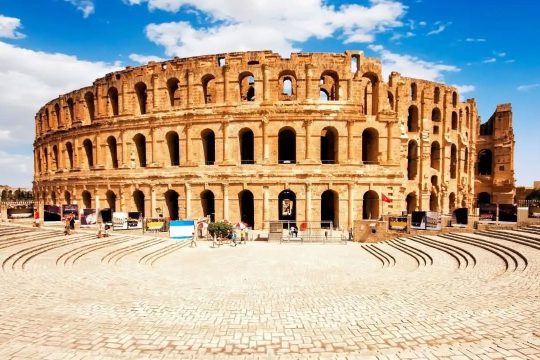
UNESCO World Heritage Sites in Europe Are Under Threat
Եվրոպայում ՅՈՒՆԵՍԿՕ-ի համաշխարհային ժառանգության օբյեկտները վտանգված են
Levon Azizyan, Director of the Center for Hydrometeorology and Monitoring, SNCO, wrote: 43% of UNESCO World Heritage Sites in Europe are exposed to high climatic conditions...
«Հիդրոօդերևութաբանության և մոնիթորինգի կենտրոն» ՊՈԱԿ-ի տնօրեն Լևոն Ազիզյանը գրել է․ Եվրոպայում ՅՈՒՆԵՍԿՕ-ի համաշխարհային ժառանգության օբյեկտների 43%-ը ենթարկվում է կլիմայական բարձր …
You are using an outdated browser. Please upgrade your browser.
You are using an outdated browser. Please upgrade your browser.
Levon Azizyan, Director of the Hydrometeorology and Monitoring Center SNCO, wrote:
«Հիդրոօդերևութաբանության և մոնիթորինգի կենտրոն» ՊՈԱԿ-ի տնօրեն Լևոն Ազիզյանը գրել է․
43% of UNESCO World Heritage Sites in Europe are at high climate risk. Climate hazards include extreme weather events, floods, and sea level rise. This assessment was made by researchers at the EDHEC Climate Institute, applying a quantitative climate risk assessment methodology to UNESCO’s spatial database.
Եվրոպայում ՅՈՒՆԵՍԿՕ-ի համաշխարհային ժառանգության օբյեկտների 43%-ը ենթարկվում է կլիմայական բարձր ռիսկի։ Կլիմայական վտանգների թվում են եղանակային ծայրահեղ երևույթները, ջրհեղեղներն ու ծովի մակարդակի բարձրացումը։ Այս գնահատականը ներկայացրել են EDHEC կլիմայի ինստիտուտի հետազոտողները՝ ՅՈՒՆԵՍԿՕ-ի տարածական տվյալների բազայի նկատմամբ կիրառելով կլիմայական ռիսկերի քանակական գնահատման մեթոդաբանություն։
The threat is not limited to famous historical centers and coastal monuments. Climate change is affecting a wider range of cultural infrastructure, from churches and libraries to museum collections. High humidity promotes mold growth, temperature fluctuations accelerate the deterioration of materials, and extreme heat, fires, floods, and landslides pose additional risks to buildings and artworks.
Վտանգը սպառնում է ոչ միայն հայտնի պատմական կենտրոններին և ափամերձ հուշարձաններին։ Կլիմայի փոփոխությունն ազդում է մշակութային ենթակառուցվածքների ավելի լայն շրջանակի վրա՝ եկեղեցիներից ու գրադարաններից մինչև թանգարանային հավաքածուներ։ Բարձր խոնավությունը նպաստում է բորբոսի առաջացմանը, ջերմաստիճանի տատանումներն արագացնում են նյութերի քայքայումը, իսկ ծայրահեղ շոգը, հրդեհները, ջրհեղեղներն ու սողանքները լրացուցիչ վտանգներ են ստեղծում շենքերի և արվեստի գործերի համար։
The problem also applies to cultural sites not included in the World Heritage List. For example, 35% of art museum directors in the United States reported that their institutions had already suffered damage from climate impacts, and half had developed specific plans to respond to these threats. In France, the Louvre is moving about 250,000 works of art to the Liège conservation center, also to reduce the risk of damage to the collections from floods.
Խնդիրը վերաբերում է նաև Համաշխարհային ժառանգության ցանկում չընդգրկված մշակութային օբյեկտներին։ Օրինակ՝ ԱՄՆ-ում արվեստի թանգարանների ղեկավարների 35%-ը հայտնել է, որ իրենց հաստատություններն արդեն վնասներ են կրել կլիմայական ազդեցություններից, իսկ կեսը մշակել է այդ վտանգներին արձագանքելու հատուկ ծրագրեր։ Ֆրանսիայում Լուվրը շուրջ 250 հազար արվեստի գործ է տեղափոխում Լիևենի պահպանության կենտրոն՝ նաև հավաքածուների՝ ջրհեղեղներից վնասվելու ռիսկը նվազեցնելու նպատակով։
Climate change threatens not only buildings and artworks, but also the materials needed to create them. For example, the fir trees of the Val di Fiemme valley in the Italian Dolomites, whose wood was traditionally used to make Stradivarius violins, are suffering from rising temperatures and the spread of pests.
Կլիմայի փոփոխությունը սպառնում է ոչ միայն շենքերին ու արվեստի գործերին, այլև դրանց ստեղծման համար անհրաժեշտ նյութերին։ Օրինակ՝ իտալական Դոլոմիտներում գտնվող Վալ-դի-Ֆիեմմե հովտի եղևնիները, որոնց փայտն ավանդաբար օգտագործվել է Ստրադիվարիուսի ջութակների պատրաստման համար, տուժում են ջերմաստիճանի բարձրացումից և վնասատուների տարածումից։
The researchers emphasize the specificity of cultural heritage: much damage cannot be compensated for with money or completely restored. A destroyed fresco, an ancient mosaic or an archaeological monument cannot be replaced with an equivalent new example. Therefore, climate risks are not only an environmental and economic problem, but also a cultural one.
Հետազոտողները շեշտում են մշակութային ժառանգության առանձնահատկությունը․ շատ վնասներ հնարավոր չէ փոխհատուցել գումարով կամ ամբողջությամբ վերականգնել։ Ոչնչացված որմնանկարը, հնագույն խճանկարը կամ հնագիտական հուշարձանը հնարավոր չէ փոխարինել համարժեք նոր օրինակով։ Ուստի կլիմայական ռիսկերը ոչ միայն բնապահպանական ու տնտեսական, այլև մշակութային խնդիր են»։
Comments
No comments yet — be the first to comment.
More from 1in.am

In 2018, 40% of cancer cases detected were in stage 4, today 13%: Avanesyan
1in.am / 10 hours ago
"Milk from a Stone": Where Life Begins
1in.am / 11 hours ago

I am officially saying that the extradition agenda related to the Shaki case is unsatisfactory: Pashinyan
1in.am / 11 hours ago

National Assembly - Government Q&A
1in.am / 11 hours ago
Related coverage

На рынок РФ за 3 квартала вышли 5 зарубежных брендов, в том числе и из Армении
Sputnik Armenia / 16 minutes ago
55% support school protests, but majority want them to stop: poll in France
168 Jham / 7 hours ago
Ձեր ամեն ասած նախադասություն քթներիցդ հանելու եմ, այո, հենց սպառնալիք ա. Փաշինյան
Azg / 7 hours ago

The co-pilot who attacked the captain of a Flydubai plane had intended to hijack the plane back in the summer.
168 Jham / 7 hours ago