Showing in English.
5 full-article translations/day — headlines & summaries always free. Create free account for 25/day
Vincent Van Gogh's letters translated into Armenian from the original for the first time: Vernatun presents exclusive collection at the National Gallery
Վինսենթ Վան Գոգի նամակներն առաջին անգամ հայերեն են թարգմանվել բնագրից․ «Վերնատունը» Ազգային պատկերասրահում ներկայացրեց բացառիկ ժողովածուն
"This is not an ordinary collection of letters, this is a scholarly publication, because the texts in the letters are accompanied by critical articles written by the compilers of the book.
«Սա սովորական նամակների ժողովածու չէ, սա գիտական հրատարակություն է, որովհետև տեքստերը նամակներում ուղեկցվում են քննադատական հոդվածներով, որոնք գրել են գիրքը կազմողները։
Extensive footnotes, lists of place names, and personal names are attached."
Կցված են ծավալուն ծանոթագրություններ, տեղանունների, անձնանունների ցանկեր»։
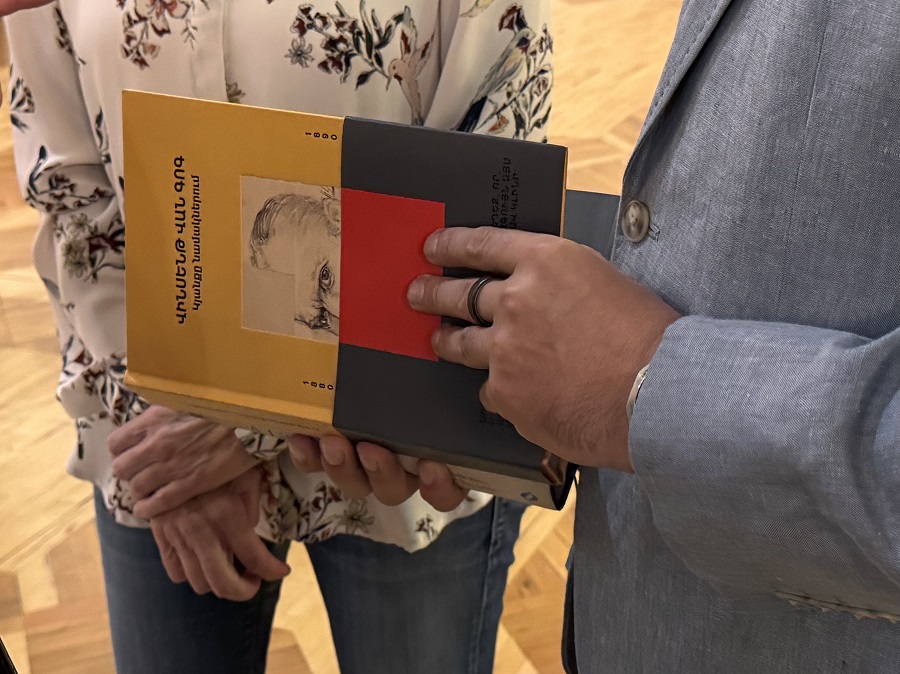
The presentation of the book “Vincent Van Gogh: Life in Letters” by “Vernatun” Publishing House took place at the National Gallery of Armenia. The collection has been translated into Armenian for the first time directly from the originals – Dutch, French and English, which allows the Armenian reader to discover the inner world, suffering and creative path of the great artist.
Հայաստանի ազգային պատկերասրահում տեղի ունեցավ «Վերնատուն» հրատարակչության «Վինսենթ Վան Գոգ․ Կյանքը նամակներում» գրքի շնորհանդեսը։ Ժողովածուն առաջին անգամ հայերեն է թարգմանվել անմիջապես բնագրերից՝ հոլանդերենից, ֆրանսերենից և անգլերենից, ինչը հնարավորություն է տալիս հայ ընթերցողին բացահայտելու մեծանուն նկարչի ներաշխարհը, տանջանքներն ու ստեղծագործական ուղին։
The collection presents 76 selected letters by Van Gogh written in chronological order between 1880 and 1890. The book is based on a comprehensive study of the original letters, which was carried out by the “Van Gogh Museum” and the “Huygens Institute” in Amsterdam.
Ժողովածուում ժամանակագրական հերթականությամբ ներկայացված են Վան Գոգի՝ 1880-1890 թվականներին գրված 76 ընտրովի նամակները։ Գրքի հիմքում ընկած է նամակների բնագրերի լիակատար ուսումնասիրությունը, որն իրականացրել են Ամստերդամի «Վան Գոգի թանգարանը» և «Հյուգենս ինստիտուտը»։
Addressing the question of “Aravot” about how it was possible to ensure the compliance of the Armenian printed version with international standards in the presence of more than 900 letters, Nerses Ter-Vardanyan, head of “Vernatun” Publishing House, explained:
Անդրադառնալով «Առավոտի» այն հարցին, թե 900-ից ավելի նամակների առկայության պայմաններում ինչպես է հնարավոր եղել ապահովել հայերեն տպագիր տարբերակի համապատասխանությունը միջազգային չափանիշներին, «Վերնատուն» հրատարակչության ղեկավար Ներսես Տեր-Վարդանյանը պարզաբանեց․
“Look, the translation was made from an already compiled collection, which was compiled by the employees of the Van Gogh Museum and the employees of the Royal Netherlands Academy of Arts and Sciences together. This is a collection compiled as a result of in-depth scientific research, and we have translated the collection that they have already compiled.
«Տեսեք, թարգմանությունն արվել է հենց արդեն կազմված ժողովածուից, որը կազմել են Վան Գոգի թանգարանի աշխատակիցները և Նիդերլանդների արվեստների և գիտության թագավորական ակադեմիայի աշխատակիցները միասին։ Սա խորը գիտական ուսումնասիրության արդյունքում կազմված ժողովածու է, և մենք իրենց արդեն հավաքած ժողովածուն ենք թարգմանել։
The logic is quite scientific in their compilation: it includes all the cities where Van Gogh lived, all the times, and gives a relatively complete picture of all the pages of Van Gogh’s biography. They have tried to keep the materials as balanced as possible, where both Van Gogh’s relationships with his relatives and Van Gogh’s ideas about art, literature, and culture will be presented. The reader will have the most complete picture possible not only of Van Gogh, but also of the period in which he lived. In addition, the first part of the book also contains a brief biography of Van Gogh, referring to these letters.”
Տրամաբանությունը բավական գիտական է իրենց կազմելու․ ներառում է Վան Գոգի ապրած բոլոր քաղաքները, բոլոր ժամանակները և համեմատաբար ամբողջական պատկեր է տալիս Վան Գոգի կենսագրության բոլոր էջերից։ Ձգտել են հնարավորինս բալանսավորված պահել նյութերը, որտեղ ներկայացված կլինեն և՛ Վան Գոգի հարաբերություններն իր հարազատների հետ, և՛ Վան Գոգի պատկերացումները արվեստի, գրականության ու մշակույթի մասին։ Կարդացողը հնարավորինս ամբողջական պատկերացում է կազմում ոչ միայն Վան Գոգի մասին, այլև այն ժամանակաշրջանի մասին, որտեղ ինքն ապրել է։ Բացի այդ, գրքի առաջին հատվածում կա նաև Վան Գոգի ամփոփ կենսագրությունը՝ հղում անելով այդ նամակներին»։
Referring to the artist’s emotional state and linguistic difficulties, the book’s translator Anna-Maria Mattar told Aravot how difficult it was to work with the originals:
Անդրադառնալով նկարչի հուզական վիճակին և լեզվական բարդություններին՝ գրքի թարգմանիչ Աննա-Մարիա Մատտառը Առավոտին պատմեց, թե որքան դժվար է եղել աշխատանքը բնագրերի հետ․
“He was a very emotional person, and that’s how he wrote. And that’s why his letters are sometimes very difficult to understand. If he got angry, he would write in such a way that I almost didn’t understand his Dutch, being Dutch. But I think it worked. Of course, my translation was edited… The editor did a very good job. Well, we all suffered, but I think it turned out well and the book turned out well.”
«Ինքը շատ զգացմունքային մարդ էր, այդպես էլ գրում էր։ Եվ հենց այն պատճառով նրա նամակները մեկ-մեկ շատ դժվար հասկանալի են։ Եթե ինքը բորբոքվում էր, այնպես էր գրում, որ ես նրա հոլանդերենը համարյա թե չէի հասկանում՝ հոլանդացի լինելով։ Բայց ինձ թվում է ստացվեց։ Իհարկե իմ թարգմանությունը խմբագրվեց… Խմբագիրը շատ լավ գործ արեց։ Դե բոլորս էլ չարչարվեցինք, բայց ինձ թվում է լավ թարգմանություն է ստացվել և լավ գիրք է ստացվել»։
The translator also added that she initially translated many letters from Dutch, but then she realized that Van Gogh had written them in French, so she started the translation again, already from the French originals. “Vincent and I understood each other very well, because his French, ah, wasn’t very correct; It was in French words, but with Dutch thinking.”
Թարգմանիչը նաև հավելեց, որ շատ նամակներ սկզբում թարգմանել է հոլանդերենից, սակայն հետո հասկացել է, որ Վան Գոգը դրանք գրել է ֆրանսերենով, ուստի նորից է սկսել թարգմանությունը՝ արդեն ֆրանսերեն բնագրերից․ «Վինսենթն ու ես իրար շատ լավ հասկացանք, որովհետև նրա ֆրանսերենը, հա, այնքան էլ ճիշտ չէր․ ֆրանսերեն բառերով էր, բայց հոլանդերենի մտածողությամբ»։
The book’s editor Armen Sargsyan presented the scientific value of the collection.
Գրքի խմբագիր Արմեն Սարգսյանը ներկայացրեց ժողովածուի գիտական արժեքը․
“This is not an ordinary collection of letters, this is a scientific publication, because the texts in the letters are accompanied by critical articles written by the book’s compilers. Extensive footnotes, place names, and lists of personal names are attached.”
«Սա սովորական նամակների ժողովածու չէ, սա գիտական հրատարակություն է, որովհետև տեքստերը նամակներում ուղեկցվում են քննադատական հոդվածներով, որոնք գրել են գիրքը կազմողները։ Կցված են ծավալուն ծանոթագրություններ, տեղանունների, անձնանունների ցանկեր»։
Candidate of Art Satenik Chukazyan emphasized the importance of the book’s publication for art critics and general readers.
Արվեստագիտության թեկնածու Սաթենիկ Չուքազյանը կարևորեց գրքի լույսընծայումը արվեստաբանների և լայն ընթերցողների համար․
“These letters are a unique opportunity for us to communicate these conversations that he had with his brother. It is an opportunity to reveal his human nature, because many of us do not have a complete picture of him. He tells how much he works, how he is sad, what emotions and feelings he experiences while creating these works.”
«Այս նամակները բացառիկ հնարավորություն են մեզ համար հաղորդակցվելու այս զրույցներին, որ նա ունեցել է իր եղբոր հետ։ Հնարավորություն է բացահայտելու նրա մարդկային խառնվածքը, որովհետև շատերս նրա մասին ամբողջական պատկերացում չունենք։ Նա պատմում է, թե որքան է աշխատում, ինչպես է տխրում, ինչպիսի հուզումներ ու ապրումներ է ունենում այս ստեղծագործությունները անելիս»։
Let us add that all the letters to which Van Gogh’s sketches were attached are presented in photocopies in the collection. Also included are photographs and works that the artist alludes to in his correspondence.
Հավելենք, որ ժողովածուում բոլոր այն նամակները, որոնց կցված են եղել Վան Գոգի էսքիզները, ներկայացված են լուսապատճեններով։ Ընդգրկված են նաև այն լուսանկարներն ու գործերը, որոնց մասին նկարիչն ակնարկում է իր նամակագրության մեջ։
At the end of the event, an interactive quiz game was also organized, dedicated to the life and work of Vincent Van Gogh. The 3 participants who answered the questions best were recognized as winners and received the new book “Vincent Van Gogh: Life in Letters” as a gift.
Միջոցառման ավարտին կազմակերպվել էր նաև ինտերակտիվ խաղ-վիկտորինա՝ նվիրված Վինսենթ Վան Գոգի կյանքին ու ստեղծագործությանը։ Լավագույնս պատասխանած 3 մասնակիցները հաղթող ճանաչվեցին և որպես նվեր ստացան «Վինսենթ Վան Գոգ․ Կյանքը նամակներում» նորատիպ գիրքը։
The author of the book’s cover is Ellen Shahbazyan. The Armenian edition was carried out with the support of the Netherlands Literature Foundation and the Embassy of the Kingdom of the Netherlands in Armenia.
Գրքի կազմի հեղինակն է Էլեն Շահբազյանը։ Հայերեն հրատարակությունն իրականացվել է Գրականության հոլանդական հիմնադրամի և Հայաստանում Նիդերլանդների Թագավորության դեսպանության աջակցությամբ։
Comments
No comments yet — be the first to comment.
More from Aravot
A committee will be established to coordinate measures to prevent the introduction and spread of plague from the Irkutsk region to Armenia.
Aravot / 5 minutes ago
"If necessary, we will start a street struggle, we will use all non-prohibited means to protect the church." Levon Kocharyan
Aravot / 9 minutes ago
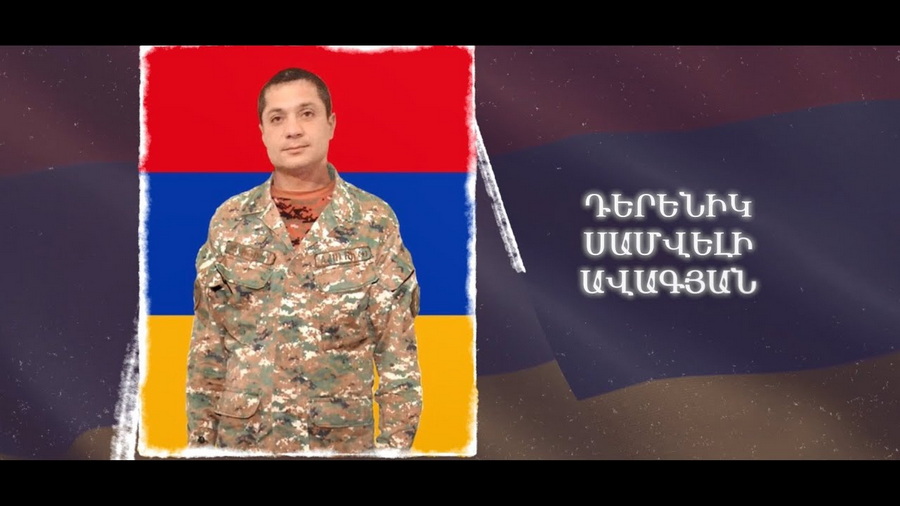
He fought his last battle on October 7 and died from severe shrapnel injuries. Derenik Avagyan was buried in Berdzor.
Aravot / 15 minutes ago
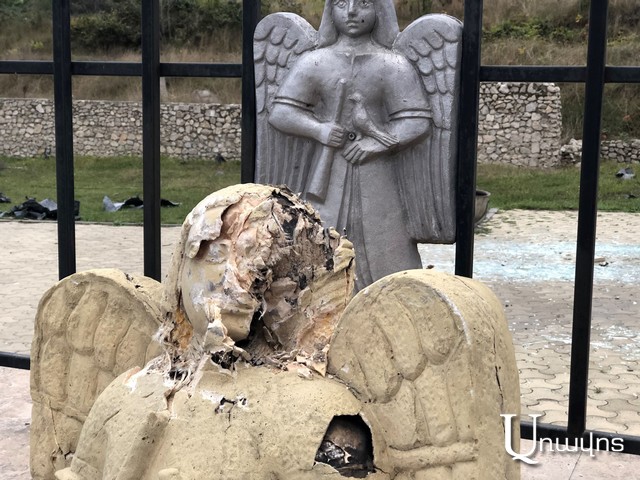
Removing the population from their homeland and erasing their cultural footprint are two sides of the same process. Hovik Avanesov
Aravot / 21 minutes ago
Related coverage
Days of Armenian Culture are being held in Georgia
Azg / 1 hour ago

Armenia has been nominated in the global category of the World Travel Awards 2026.
Ermenihaber / 1 hour ago
GO EAST travel company releases new guide to Armenia
Alpha News / 13 hours ago

Pictures of musicians who died in the war have been removed from the walls at the conservatory: musicologist
ABC Media / 15 hours ago