Showing in English.
3 full-article translations/day — headlines & summaries always free. Create free account for 25/day
Artsakh, my Ithaca: when literature becomes a path home
L’Artsakh, mon Ithaque : quand la littérature devient un chemin de retour
On September 29th, the town hall of the 16th arrondissement of Paris hosted an exceptional literary event centered around *Letters from Paradise Where There Is No One Left*, a bilingual Armenian-French epistolary collection co-written by Herminé Avagyan, a poet and writer from Artsakh, and Ulysse Manhes, philosopher and producer of the radio program *Christians of the East* on France Culture, published in 2026 […]
Le 29 septembre dernier, la mairie du 16ᵉ arrondissement de Paris a accueilli une rencontre littéraire exceptionnelle autour de Lettres du paradis où il n’y a plus personne, recueil épistolaire bilingue arménien-français coécrit par Herminé Avagyan, poétesse et écrivaine originaire de l’Artsakh, et Ulysse Manhes, philosophe et producteur de l’émission Chrétiens d’Orient sur France Culture, publié en 2026 […]
The article “Artsakh, My Ithaca: When Literature Becomes a Path Home” first appeared on *News from Armenia Online* – All the latest news on the Armenian world.
L’article L’Artsakh, mon Ithaque : quand la littérature devient un chemin de retour est apparu en premier sur Nouvelles d'Arménie en Ligne – Toute l’actualité sur le monde arménien.
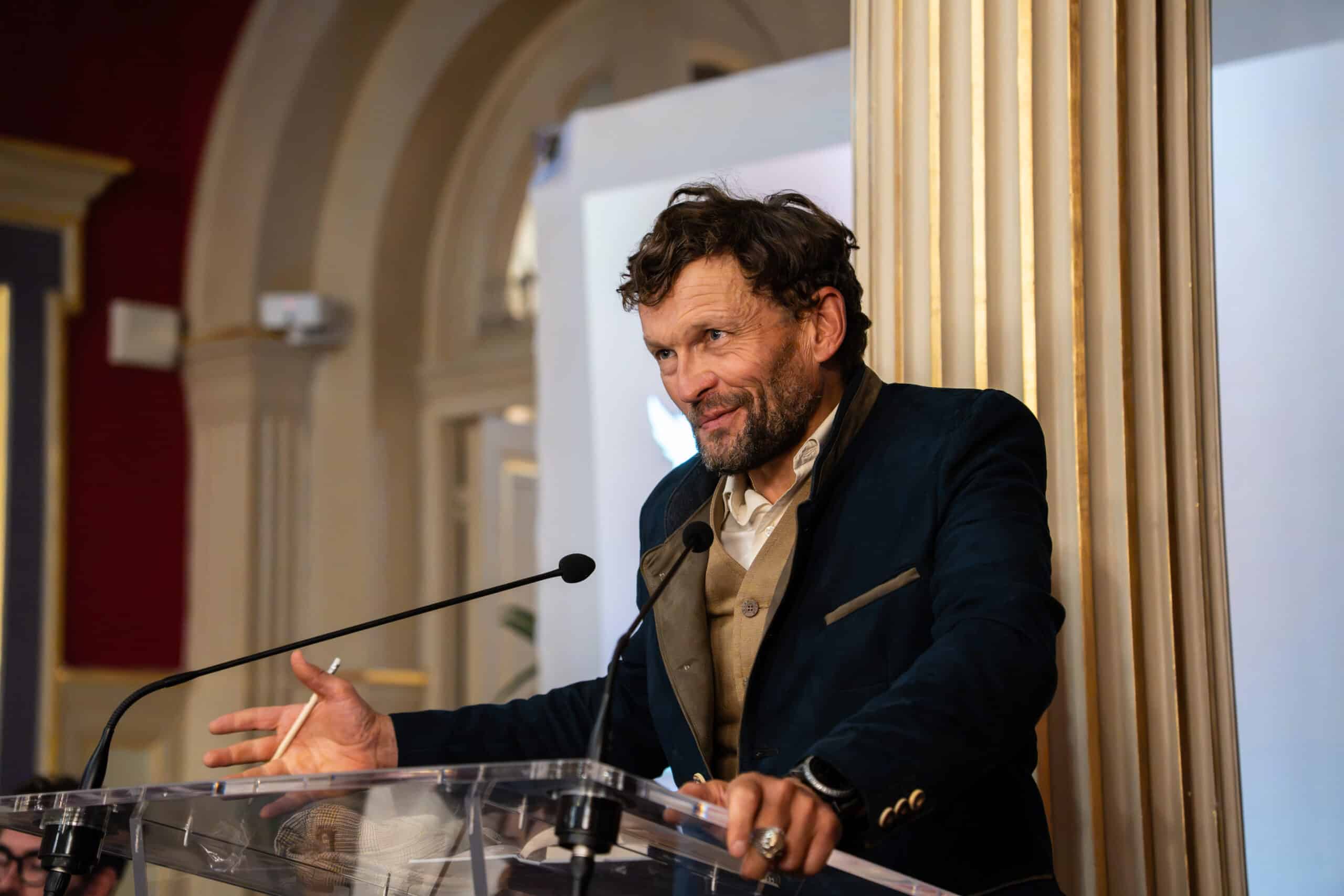
On September 29th, the town hall of the 16th arrondissement of Paris hosted an exceptional literary event centered around *Letters from Paradise Where There Is No One Left*, a bilingual Armenian-French epistolary collection co-written by Herminé Avagyan, a poet and writer from Artsakh, and Ulysse Manhes, philosopher and producer of the radio program *Christians of the East* on France Culture, published in 2026 by Newmag.
Le 29 septembre dernier, la mairie du 16ᵉ arrondissement de Paris a accueilli une rencontre littéraire exceptionnelle autour de Lettres du paradis où il n’y a plus personne, recueil épistolaire bilingue arménien-français coécrit par Herminé Avagyan, poétesse et écrivaine originaire de l’Artsakh, et Ulysse Manhes, philosophe et producteur de l’émission Chrétiens d’Orient sur France Culture, publié en 2026 aux éditions Newmag.
Co-organized by La Guilde and the Artsakh Support Association, this evening took place before a packed house, bringing together numerous figures from the political, intellectual, and literary worlds, including Xavier Bertrand, President of the Hauts-de-France Region; Member of Parliament Emmanuel Mandon, President of the France-Artsakh Friendship Circle; Senator Gilbert-Luc Devinaz, President of the France-Armenia Friendship Group in the Senate; Monsignor Hugues de Woillemont, Director General of the Œuvre d’Orient; Monsignor Pascal Gollnisch, former Director General of the Œuvre d’Orient; Franck Papazian, Co-President of the CCAF; and Hovhannes Guevorkian, Representative of the Republic of Artsakh. For one evening, the room was filled with shared thoughts. The exceptional presence of Sylvain Tesson was one of the highlights of the evening. The first critic to offer his perspective on the book at this event, he shared his views on this correspondence, before a roundtable discussion moderated by Adrien Briand, a journalist at Le Figaro.
Coorganisée par La Guilde et l’Association de soutien à l’Artsakh, cette soirée s’est déroulée devant une salle comble, réunissant de nombreuses personnalités du monde politique, intellectuel et littéraire, parmi lesquelles Xavier Bertrand, président de la Région Hauts-de-France, le député Emmanuel Mandon, président du Cercle d’amitié France-Artsakh, le sénateur Gilbert-Luc Devinaz, président du Groupe d’amitié France-Arménie au Sénat, Monseigneur Hugues de Woillemont, directeur général de l’Œuvre d’Orient, Monseigneur Pascal Gollnisch, ancien directeur général de l’Œuvre d’Orient, Franck Papazian, coprésident du CCAF et Hovhannes Guevorkian, Représentant de la République d’Artsakh. Le temps d’une soirée, le paradis était alors repeuplé par les pensées. La présence exceptionnelle de Sylvain Tesson a constitué l’un des temps forts de la soirée. Premier critique de l’ouvrage lors de cette rencontre, il a partagé son regard sur cette correspondance, avant une table ronde animée par Adrien Briand, journaliste au Figaro.
Entitled “Artsakh, My Ithaca,” the evening placed literature at the heart of a reflection on homeland, memory, and resistance. Through this correspondence, Herminé recounts her Artsakh to Ulysses: its history, its pain and losses, but above all, its will to live. Literature has become her path home. Today, since she cannot return to her small village of Achan, she returns there through words. With a preface by Pascal Bruckner and an afterword by Sophie Fontanel, the book gives the tragedy of Artsakh a profoundly human and universal dimension, creating a bridge between two people, two cultures, and two worlds.
Intitulée « Artsakh, mon Ithaque », la soirée a placé la littérature au cœur d’une réflexion sur la patrie, la mémoire et la résistance. À travers cette correspondance, Herminé raconte son Artsakh à Ulysse : son histoire, ses douleurs et ses pertes, mais surtout son désir de vivre. La littérature est devenue pour elle un chemin de retour. Aujourd’hui, puisqu’elle ne peut retourner dans son petit village d’Achan, elle y retourne par les mots. Préfacé par Pascal Bruckner et postfacé par Sophie Fontanel, le livre donne à la tragédie de l’Artsakh une dimension profondément humaine et universelle, créant un pont entre deux personnes, deux cultures et deux mondes.
Since the forced displacement of the last 120,000 Armenians from Artsakh in September 2023, the preservation of Artsakh culture has become a crucial issue. Through this book, Herminé Avagyan continues her commitment to preserving the memory of her homeland, giving a voice to those uprooted from it, and resisting oblivion. For, she concludes, paradise is never truly lost as long as we remember the path to return.
Depuis le déplacement forcé des 120 000 derniers Arméniens d’Artsakh en septembre 2023, la préservation de la culture artsakhiote constitue un enjeu essentiel. À travers ce livre, Herminé Avagyan poursuit son engagement pour faire vivre la mémoire de sa terre natale, donner une voix à ceux qui en ont été déracinés et résister à l’oubli. Puisque, conclut-elle, le paradis n’est jamais perdu tant qu’on se souvient du chemin pour y retourner.
Text by Ani Chakmishian, Photos by Melkon Ajamian
Texte Ani Chakmishian Photos Melkon Ajamian
Comments
No comments yet — be the first to comment.
More from Nouvelles d'Arménie
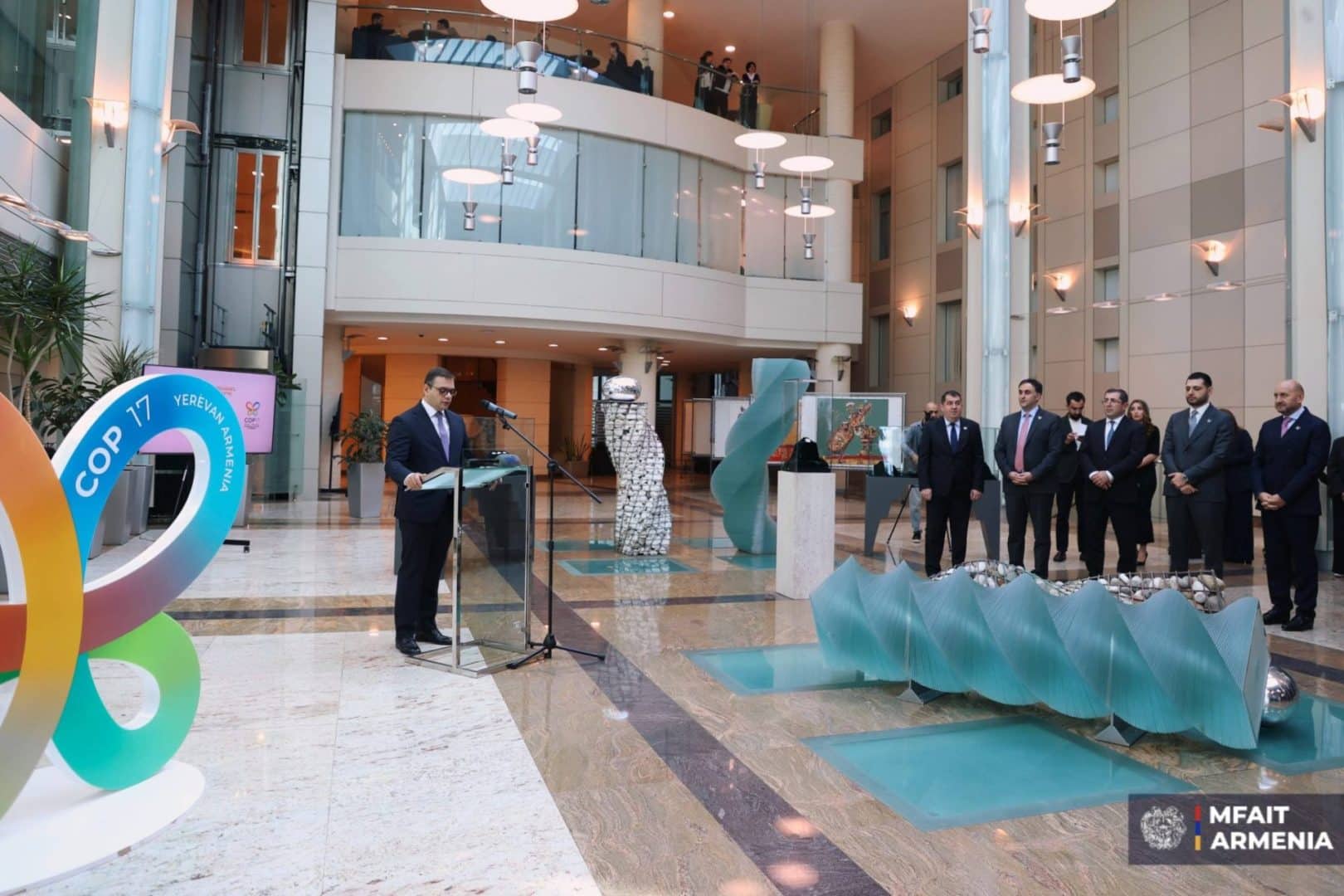
Cérémonie de présentation à Erevan d’une pièce commémorative dédiée à la COP17
Nouvelles d'Arménie / 10 hours ago
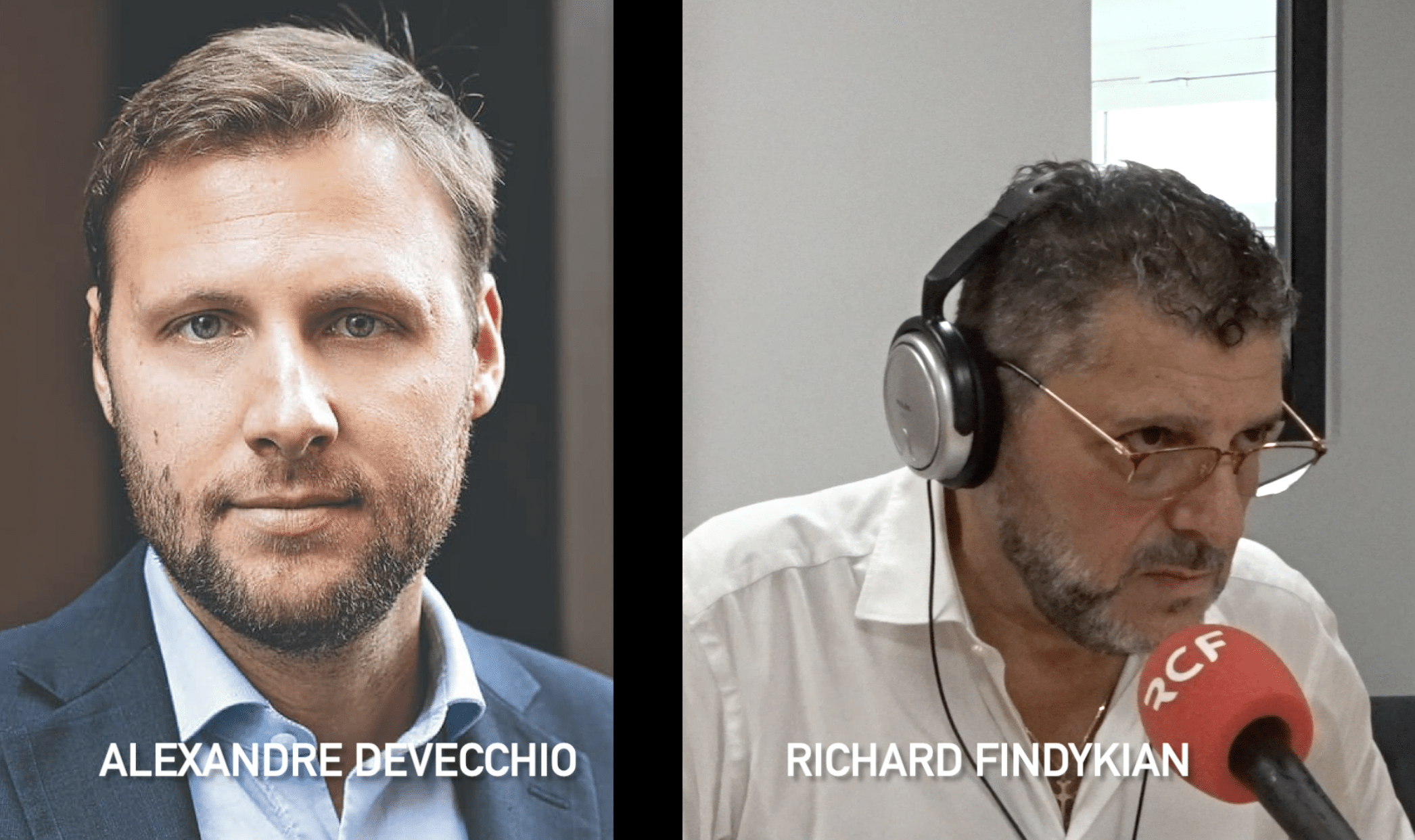
RICHARD FINDYKIAN REÇOIT ALEXANDRE DEVECCHIO
Nouvelles d'Arménie / 14 hours ago
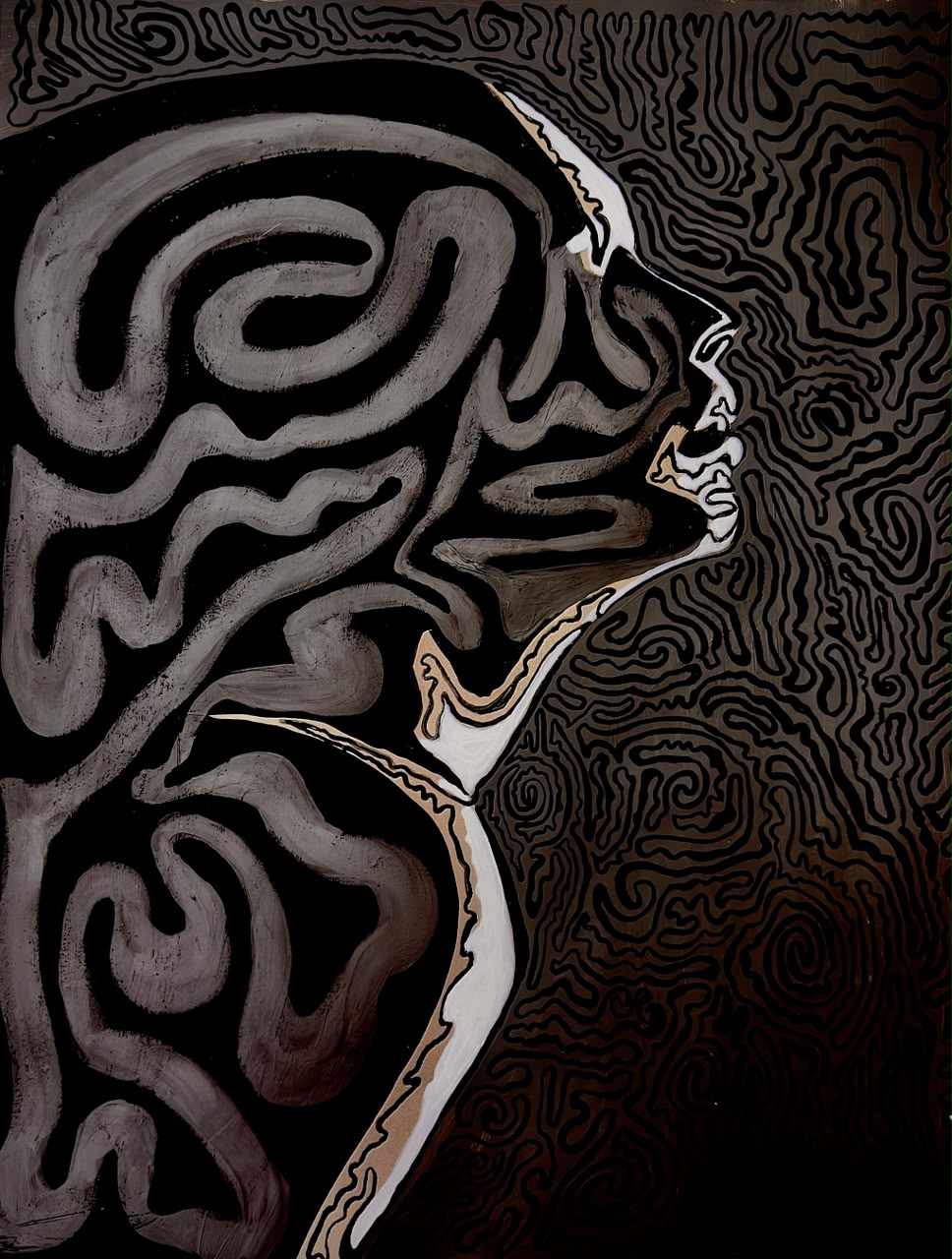
Arman Nur dévoile à Paris son exposition « Mes tendres amours »
Nouvelles d'Arménie / 14 hours ago
L’Azerbaïdjan interdit le voile à l’école, au grand dam de la Turquie
Nouvelles d'Arménie / 14 hours ago
Related coverage
Դաշնակահար Ժան-Փօլ Գասպարեան Հոկտեմբեր 9-ին՝ «Կաւօ» սրահին մէջ
Nor Haratch / Oct 5

Les 9es Jeux panarméniens d’été se tiendront du 3 au 15 août 2027
Nor Haratch / Oct 5

Une diaspora aux Antipodes
France Arménie / Sep 20
Les Arméniens du Liban face à l'épreuve : survivre aux crises , repenser l'avenir
France Arménie / Sep 20