Showing in English.
3 full-article translations/day — headlines & summaries always free. Create free account for 25/day
It is time to end this aggressive and false policy: Archbishop Pargev's appeal to the international community and Interpol leadership
Ժամանակն է վերջ տալու այս ագրեսիվ ու կեղծ քաղաքականությանը.
Պարգև սրբազանի կոչը միջազգային հանրությանը, Ինտերպոլի ղեկավարությանը
It is our duty to save our endangered religious sanctities.
Վտանգված մեր կրոնական սրբությունները փրկելը մեր պարտքն է։
We are responsible for every loss that could have been prevented.
Մենք պատասխանատու ենք յուրաքանչյուր կորստի համար, որը հնարավոր էր կանխել։
Inaction has no excuse, it is tantamount to sin.
Անգործությունն արդարացում չունի, այն հավասար է մեղսագործությանը:
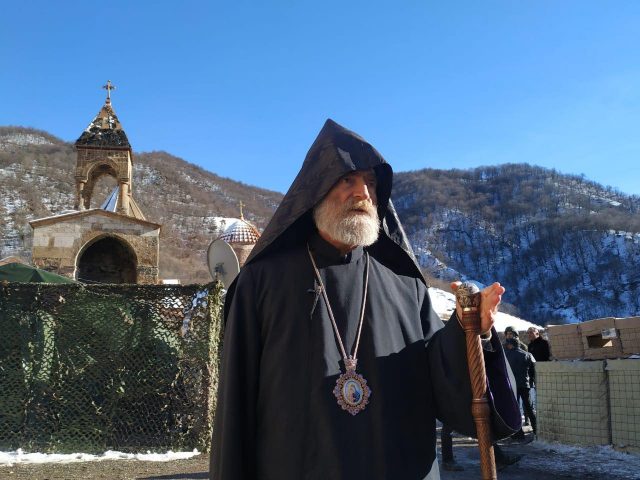
Archbishop Pargev Martirosyan’s appeal to the international community and the leadership of Interpol
Պարգև արքեպիսկոպոս Մարտիրոսյանի կոչը միջազգային հանրությանը, Ինտերպոլի ղեկավարությանը
In 301, Armenia was the first in the world to adopt Christianity as a state religion. For more than seventeen centuries, the Armenian Apostolic Church has been preserving the spiritual and cultural heritage of our people, both in Armenia and in Armenian communities around the world.
301 թվականին Հայաստանն աշխարհում առաջինը քրիստոնեությունն ընդունեց որպես պետական կրոն։ Ավելի քան տասնյոթ դար Հայ Առաքելական Եկեղեցին պահպանում է մեր ժողովրդի հոգևոր ու մշակութային ժառանգությունը՝ Հայաստանում և աշխարհի հայկական համայնքներում։
It is our duty to save our endangered religious sanctities. We are responsible for every loss that could have been prevented. Inaction has no excuse, it is tantamount to a sin.
Վտանգված մեր կրոնական սրբությունները փրկելը մեր պարտքն է։ Մենք պատասխանատու ենք յուրաքանչյուր կորստի համար, որը հնարավոր էր կանխել։ Անգործությունն արդարացում չունի, այն հավասար է մեղսագործությանը:
The head of the State Service for the Preservation of Cultural Heritage of Azerbaijan announced that information about the khachkars and frescoes removed from Dadivank was transferred to Interpol in October 2025 and included in the database of stolen works of art. This is the official statement of Azerbaijan.
Ադրբեջանի մշակութային ժառանգության պահպանության պետական ծառայության ղեկավարը հայտարարել է, թե Դադիվանքից տեղափոխված խաչքարերի և որմնանկարների մասին տեղեկությունները 2025 թվականի հոկտեմբերին փոխանցվել են Ինտերպոլին ու ներառվել գողացված արվեստի գործերի շտեմարանում։ Սա Ադրբեջանի պաշտոնական հայտարարությունն է։
The Interpol database is supplemented by police information submitted by authorized bodies. Therefore, the statement on registration cannot be presented as a court decision confirming ownership.
Ինտերպոլի շտեմարանը համալրվում է լիազորված մարմինների ներկայացրած ոստիկանական տեղեկություններով։ Հետևաբար գրանցման մասին հայտարարությունը չի կարելի ներկայացնել որպես սեփականության իրավունքը հաստատող դատական վճիռ։
I appeal to the President of Interpol, the Honorable Mr. Lucas Philip and the Secretary General, the Honorable Mr. Valdes Urquiza, to study the entire case. Find out the origin of the religious relics, their church affiliation, the circumstances of the transfer, and the dangers of their preservation. Without this investigation, it is impossible to give a final legal assessment of the transfer.
Դիմում եմ Ինտերպոլի նախագահ մեծարգո պարոն Լուկաս Ֆիլիպին և Գլխավոր քարտուղար մեծարգո պարոն Վալդեսի Ուրկիզային կոչով՝ ուսումնասիրե՛ք ամբողջ գործը։ Պարզե՛ք կրոնական սրբությունների ծագումը, եկեղեցական պատկանելությունը, տեղափոխության հանգամանքներն ու պահպանության վտանգները։ Առանց այդ քննության տեղափոխությանը վերջնական իրավական գնահատական տալ չի կարելի։
Of all the historical evidence, it is enough to recall only the 13th century historian Kirakos Gandzakets. He leaves no ambiguity in the issue of Dadivank’s affiliation. When a medieval historian has clearly recorded who Dadivank belongs to, it is impossible to change that fact centuries later with political demands. The origin of Dadivank is associated with St. Dadi, one of the seventy apostles of Christ, who, by order of the Armenian Apostle St. Thaddeus, sets out for the lands of Eastern Armenia to preach, and is martyred in the first century. The place of his martyrdom has become a great pilgrimage site for Christians since the first century. In the 4th century, St. Gregory the Illuminator, having established the Eastern Armenian Catholicosate, appointed his grandson, Saint Grigoris, as Catholicos and, having visited the Artsakh world, founded dozens of churches and monasteries, consecrated Saint Grigoris as a bishop in the Gandzasar monastery, founded the Amaras monastery, and built the Church of Saint Dad in Dadivank and founded a monastery.
Բոլոր պատմական վկայություններից բավական է հիշել միայն XIII դարի պատմիչ Կիրակոս Գանձակեցուն։ Նա Դադիվանքի պատկանելության հարցում երկիմաստություն չի թողնում։ Երբ միջնադարյան պատմիչը հստակ արձանագրել է՝ ում է պատկանում Դադիվանքը, դարեր անց այդ փաստը քաղաքական պահանջով փոխելն անհնար է։ Դադիվանքի ծագումը կապված է Սուրբ Դադիի՝ Քրիստոսի յոթանասուն առաքյալներից մեկի հետ, որը Հայոց Առաքյալ Սուրբ Թադևոսի հրամանով մեկնում է Արևելահայոց կողմերը՝ քարոզելու, և առաջին դարում նահատակվում է։ Նրա նահատակության վայրը դեռևս առաջին դարից դարձել է քրիստոնյաների համար մեծ ուխտատեղի։ 4-րդ դարում սբ. Գրիգոր Լուսավորիչը՝ հիմնելով Արևելահայոց կաթողիկոսություն, կաթողիկոս է նշանակել իր թոռանը՝ ՍԲ Գրիգորիսին և, այցելելով Արցախ աշխարհ, հիմնադրել է տասնյակ եկեղեցիներ և վանքեր, Գանձասարի վանքում եպիսկոպոս է օծել ՍԲ Գրիգորիսին, հիմնել է Ամարասի վանքը և Դադիվանքում կառուցել է Սուրբ Դադի եկեղեցին և հիմնել է վանք:
Only Armenians settled on the right bank of the Kri, forming two Armenian states: Artsakh and Utik, while the Aghvan tribes lived exclusively on the left bank of the Kri.
Քռի աջ ափում են տեղակայվել միայն հայեր՝ ձևավորելով հայկական երկու նահանգներ՝ Արցախն ու Ուտիքը, իսկ աղվանից ցեղերը ապրել են բացառապես Քռի ձախ ափում:
The third Catholic church in Dadivank was built in 1214 by Arzu Khatun in memory of her husband and sons. Armenian inscriptions have been preserved. The pair of khachkars are dated 1283. This evidence is presented in professional studies of the history of the monastery. According to the centuries-old tradition of the Armenian Church, all Armenian churches are required to have inscriptions carved in Armenian script on their walls and stones.
Դադիվանքի երրորդ կաթողիկե եկեղեցին 1214 թվականին կառուցել է Արզու Խաթունը՝ իր ամուսնու և որդիների հիշատակին։ Պահպանվել են հայերեն արձանագրությունները։ Զույգ խաչքարերը թվագրված են 1283 թվականով։ Այս վկայությունները ներկայացված են վանքի պատմության մասնագիտական ուսումնասիրություններում։ Ըստ Հայ եկեղեցու բազմադարյան ավանդույթի բոլոր հայ եկեղեցիները իրենց պատերի ու քարերի վրա պարտադիր ունեն հայատառ փորագրված արձանագրություններ։
The European Parliament’s resolution of 10 March 2022 () “On the destruction of cultural heritage in Nagorno-Karabakh” states that “… over the past 30 years, Azerbaijan has carried out irreversible destruction of religious and cultural heritage, especially in the Autonomous Republic of Nakhichevan, where 89 Armenian churches, 20,000 graves and more than 5,000 tombstones have been destroyed.”
Եվրոպական խորհրդարանը 2022 թվականի մարտի 10-ի () «Լեռնային Ղարաբաղում մշակութային ժառանգության ոչնչացման վերաբերյալ» բանաձևում արձանագրված է «… վերջին 30 տարիների ընթացքում Ադրբեջանի կողմից իրականացվել է կրոնական և մշակութային ժառանգության անդառնալի ոչնչացում, հատկապես՝ Նախիջևանի Ինքնավար Հանրապետությունում, որտեղ ոչնչացվել են 89 հայկական եկեղեցի, 20 000 գերեզման և ավելի քան 5 000 տապանաքար»։
To understand our deep concerns, remember Jugha.
Մեր խորը մտահոգությունները հասկանալու համար հիշե՛ք Ջուղան։
Jugha was an ancient Armenian city in Nakhichevan, a historical Armenian territory whose fate was decided by Russia and Turkey in the twentieth century without the will of the Armenian people. By the Moscow and Kars treaties of 1921, Nakhichevan, along with Artsakh and Utik, was established as an autonomous territory under the auspices of Azerbaijan. Over the following decades, Nakhichevan, which once had a population of many thousands of Armenians, was completely depopulated, and the traces of the Armenian presence were consistently, one after the other, completely erased.
Ջուղան հին հայկական քաղաք էր Նախիջևանում՝ պատմական հայկական տարածք, որի ճակատագիրը քսաներորդ դարում որոշեցին Ռուսաստանն ու Թուրքիան առանց հայ ժողովրդի կամքի։ 1921 թվականի Մոսկվայի, ապա Կարսի պայմանագրերով Նախիջևանը, Արցախի և Ուտիքի հետ միասին, սահմանվեց որպես ինքնավար տարածք՝ Ադրբեջանի հովանու ներքո։ Հետագա տասնամյակների ընթացքում երբեմնի բազմահազար հայկական բնակչություն ունեցող Նախիջևանը ամբողջովին հայաթափվեց, իսկ հայկական ներկայության հետքերը հետևողականորեն՝ մեկը մյուսի հետևից ամբողջապես ջնջվեցին։
The most terrible symbol of this was the Armenian cemetery in Jugha. Thousands of Armenian cross-stones had stood there for centuries. The final and decisive stage of their destruction took place in December 2005. Video footage clearly showed soldiers breaking the cross-stones with hammers and removing their fragments from the area. At that time, the army destroyed 5,000 Armenian historical medieval cross-stones, values of Christian universal culture.
Դրա ամենասարսափելի խորհրդանիշը Ջուղայի հայկական գերեզմանատունն էր։ Այնտեղ դարերով կանգնած էին հազարավոր հայկական խաչքարեր։ Դրանց ոչնչացման վերջին և վճռական փուլը տեղի ունեցավ 2005 թվականի դեկտեմբերին։ Տեսագրություններում հստակ երևում էին զինվորականներ, որոնք մուրճերով կոտրում էին խաչքարերը և դրանց բեկորները հեռացնում տարածքից։ Այդ ժամանակ բանակի կողմից կործանվեց 5000 հայկական պատմական միջնադարյան խաչքարեր՝ քրիստոնեական համամարդկային մշակույթի արժեքներ:
The European Parliament’s resolution of February 16, 2006 “On the cultural heritage of Azerbaijan” strongly condemned the destruction of the Jugha cemetery and demanded that Azerbaijan allow international experts and a delegation of the European Parliament to enter the area. This access was never granted.
2006 թվականի փետրվարի 16-ի «Եվրոպական խորհրդարանի Ադրբեջանում մշակութային ժառանգության վերաբերյալ» բանաձևը խստորեն դատապարտեց Ջուղայի գերեզմանատան ոչնչացումը և Ադրբեջանից պահանջեց թույլ տալ միջազգային մասնագետների ու Եվրոպական խորհրդարանի պատվիրակության մուտքը տարածք։ Այդ մուտքը այդպես էլ չապահովվեց։
Jugha was not an isolated incident. It took place in a country whose government system is now described as authoritarian in independent international assessments, and whose state structures have even established a special interim measure by the UN International Court of Justice on the need to prevent incitement to national and ethnic hatred against Armenians. The court also obliged Azerbaijan to prevent and punish vandalism and desecration of Armenian cultural heritage.
Ջուղան առանձին դեպք չէր։ Այն տեղի ունեցավ մի երկրում, որի իշխանական համակարգն այսօր միջազգային անկախ գնահատականներում բնութագրվում է որպես ավտորիտար, և որի պետական կառույցների կողմից հայերի դեմ ազգային ու էթնիկ ատելության հրահրումը կանխելու անհրաժեշտության մասին նույնիսկ ՄԱԿ-ի Արդարադատության միջազգային դատարանն է հատուկ միջանկյալ միջոց սահմանել։ Դատարանը Ադրբեջանին պարտավորեցրել է նաև կանխել ու պատժել հայկական մշակութային ժառանգության նկատմամբ վանդալիզմն ու պղծումը։
I do not view all of this as random or isolated incidents. For me, this is a consequence of the authoritarian rule that has been formed in Baku for decades and the anti-Armenian policy nurtured at the state level, Armenophobia, and hostility towards every Armenian in the world.
Ես այս ամենը չեմ դիտում որպես պատահական կամ իրարից անջատ դեպքեր։ Ինձ համար սա Բաքվում տասնամյակներով ձևավորված ավտորիտար իշխանության և պետական մակարդակով սնուցված հակահայկական քաղաքականության, հայատյացության, աշխարհում՝ ամեն հայկականի դեմ թշնամանքի հետևանք է։
I have also seen its consequences with my own eyes. During the 1991–1994 war, I witnessed how the Azerbaijani air force and artillery targeted Armenian historical holy sites. The monasteries of Amaras and Gandzasar were also subjected to bombing and shelling. They were damaged, and then we had to repair the damage.
Ես դրա հետևանքները տեսել եմ նաև սեփական աչքերով։ 1991–1994 թվականների պատերազմի տարիներին ականատես եմ եղել, թե ինչպես էին ադրբեջանական օդուժն ու հրետանին թիրախավորում հայկական պատմական սրբավայրերը։ Ռմբակոծությունների և հրետակոծությունների տակ էին հայտնվում նաև Ամարասի ու Գանձասարի վանքերը։ Դրանք վնասվում էին, իսկ մենք հետո ստիպված էինք վերականգնել հասցված վնասը։
Years later, the same danger again faced the Armenian heritage. After the events of 2023, after the mass deportations carried out by Azerbaijan in Nagorno-Karabakh, the entire Armenian population of Artsakh was forcibly displaced from their homeland. The European Parliament, in its resolution “On the situation in Nagorno-Karabakh following the attack and continued threats by Azerbaijan against Armenia on 5 October 2023”, considered these actions by Azerbaijan to be tantamount to ethnic cleansing. I quote from the resolution: “… while the UN Security Council defines ethnic cleansing as the process of making a territory ethnically homogeneous by removing from it persons belonging to another ethnic or religious group by force or intimidation, which is contrary to international law. while there is an urgent need to halt and reverse the ongoing forced displacement of the local Armenian population, which amounts to ethnic cleansing … ”.
Տարիներ անց նույն վտանգը նորից կանգնեց հայկական ժառանգության առաջ։ 2023 թվականի իրադարձություններից՝ Ադրբեջանի կողմից Լեռնային Ղարաբաղում իրականացրած զանգվածային տեղահանումից հետո Արցախի ամբողջ հայ բնակչությունը հարկադրված հեռացավ իր հայրենիքից։ Եվրոպական խորհրդարանն է «2023 թ. հոկտեմբերի 5-ի՝ Լեռնային Ղարաբաղում տիրող իրավիճակի վերաբերյալ Ադրբեջանի Հայաստանի դեմ հարձակումից և շարունակվող սպառնալիքներից հետո» բանաձևում Ադրբեջանի այդ գործողությունները համարել համազոր էթնիկ զտման։ Մեջբերում եմ բանաձևից. «… մինչդեռ ՄԱԿ-ի Անվտանգության խորհուրդը էթնիկ զտումը բնորոշում է որպես որևէ տարածքի էթնիկ առումով միատարր դարձնելու գործընթաց՝ ուժի կամ ահաբեկման միջոցով այնտեղից այլ էթնիկ կամ կրոնական խմբի պատկանող անձանց հեռացնելու ճանապարհով, ինչը հակասում է միջազգային իրավունքին. մինչդեռ հրատապ անհրաժեշտություն կա կասեցնելու և հետ շրջելու տեղի հայ բնակչության շարունակվող հարկադիր տեղահանումը, որը հավասարազոր է էթնիկ զտման … »։
In subsequent resolutions, the European Parliament has continued to sound the alarm about the danger of the destruction, damage and alteration of the identity of Armenian churches, monasteries, cemeteries and other historical monuments.
Հետագա բանաձևերում Եվրոպական խորհրդարանը շարունակել է ահազանգել հայկական եկեղեցիների, վանքերի, գերեզմանոցների ու մյուս պատմական հուշարձանների ոչնչացման, վնասման և ինքնության փոփոխման վտանգի մասին։
We can still see today the danger to which the Armenian cultural and religious heritage of Artsakh is exposed. The experience of Jugha does not give us the right to wait until another monument is reduced to a pile of stones and only then to tell the international community what and how it happened.
Մենք այսօր էլ տեսնում ենք, թե ինչ վտանգի տակ է Արցախի հայկական մշակութային և կրոնական ժառանգությունը։ Ջուղայի փորձը մեզ իրավունք չի տալիս սպասելու մինչև հերթական հուշարձանը վերածվի քարերի կույտի, և հետո միայն միջազգային հանրությանը պատմելու, թե ինչ և ինչպես է դա եղել։
The frescoes and khachkars of Dadivank could also suffer the same fate. From the fifth century until the 1820s, these territories were under Persian rule and, unlike Azerbaijan, the Persians do not consider this heritage their property, recognizing that it is the Armenian cultural and spiritual heritage and do not deny the truth.
Նույն ճակատագրին կարող էին արժանանալ նաև Դադիվանքի որմնանկարներն ու խաչքարերը։ Հինգերորդ դարից մինչև 1820-ական թվականներ այդ տարածքները գտնվել են Պարսկական տիրապետության տակ և, ի տարբերություն Ադրբեջանի, պարսիկներն այդ ժառանգությունը չեն համարում իրենց սեփականությունը՝ գիտակցելով, որ դա հայկական մշակութային և հոգևոր ժառանգություն է և չեն հերքում ճշմարտությունը:
The International Court of Justice, in its interim measures decision of December 7, 2021, obliged Azerbaijan to take the necessary steps to prevent and punish vandalism and desecration of Armenian cultural heritage. The decision covers churches, cemeteries and cultural objects. Therefore, the implementation of this obligation should also be subject to examination. The issue of the transfer of sacred objects cannot be separated from their security.
Արդարադատության միջազգային դատարանը 2021 թվականի դեկտեմբերի 7-ի միջանկյալ միջոցների մասին որոշմամբ Ադրբեջանին պարտավորեցրել է անհրաժեշտ քայլեր ձեռնարկել հայկական մշակութային ժառանգության նկատմամբ վանդալիզմն ու պղծումը կանխելու և պատժելու համար։ Որոշումն ընդգրկում է եկեղեցիները, գերեզմանատներն ու մշակութային առարկաները։ Ուրեմն քննության առարկա պետք է դառնա նաև այդ պարտավորության կատարումը։ Սրբությունների տեղափոխության հարցը չի կարելի կտրել դրանց անվտանգությունից։
I appeal to UNESCO and the European Parliament to prioritize an independent study of the condition of Armenian monuments. It is necessary to conduct on-site inspections, inventory and publicly record the results. As I noted above, the European Parliament has already demanded unhindered access for a professional mission and the participation of Armenian and international experts.
ՅՈՒՆԵՍԿՕ-ին և Եվրոպական խորհրդարանին դիմում եմ՝ հայկական հուշարձանների վիճակի անկախ ուսումնասիրությունն առաջնահերթ պահելու պահանջով։ Անհրաժեշտ են՝ տեղում ստուգումների իրականացում, գույքագրում և արդյունքների հրապարակային արձանագրում։ Ինչպես նշել եմ վերևում, Եվրոպական խորհրդարանն արդեն պահանջել է մասնագիտական առաքելության անարգել մուտքն ու հայկական և միջազգային մասնագետների մասնակցությունը։
I call on the Pope, the World Council of Churches and the leaders of Christian churches to participate in the protection of these sacred places. I appeal to the President of the United States, members of the US Congress and Senate, and the European Union to study the documentation and stop this cultural genocidal and consistent policy consistently implemented by Azerbaijan.
Հռոմի Պապին, Եկեղեցիների համաշխարհային խորհրդին և քրիստոնեական եկեղեցիների առաջնորդներին կոչ եմ անում մասնակցել այս սրբավայրերի պահպանությանը։ Միացյալ Նահանգների նախագահին, ԱՄՆ Կոնգրեսի և Սենատի անդամներին, Եվրոպական Միությանը դիմում եմ՝ ուսումնասիրե՛ք փաստագրումները և կասեցրե՛ք Ադրբեջանի կողմից հետևողականորեն իրականացվող մշակութային այս ցեղասպան ու հետևողական քաղաքականությունը։
The aforementioned resolution of the European Parliament of March 10, 2022 “On the destruction of cultural heritage in Nagorno-Karabakh” stated that Armenophobia is a state policy of Azerbaijan. I quote: The European Parliament “Recognizes that the destruction of Armenian cultural heritage is part of a broader manifestation of a systematic, state-level policy of Armenophobia, historical revisionism and hatred against Armenians promoted by the Azerbaijani authorities, which includes dehumanization, glorification of violence and territorial claims against the Republic of Armenia, which threaten peace and security in the South Caucasus.”
Եվրոպական խորհրդարանի՝ 2022 թվականի մարտի 10-ի «Լեռնային Ղարաբաղում մշակութային ժառանգության ոչնչացման վերաբերյալ» վերոհիշյալ բանաձևում արձանագրվել է, որ հայատյացությունը Ադրբեջանի պետական քաղաքականություն է։ Մեջբերում եմ. Եվրոպական խորհրդարանն«Ընդունում է, որ հայկական մշակութային ժառանգության ջնջումը մաս է կազմում ադրբեջանական իշխանությունների կողմից խրախուսվող՝ հայատյացության, պատմական ռևիզիոնիզմի և հայերի նկատմամբ ատելության համակարգված, պետական մակարդակի քաղաքականության ավելի լայն դրսևորման, որը ներառում է ապամարդկայնացում, բռնության փառաբանում և Հայաստանի Հանրապետության նկատմամբ տարածքային հավակնություններ, որոնք սպառնում են խաղաղությանն ու անվտանգությանը Հարավային Կովկասում»։
I also bring all this to the attention of the Director of Interpol.
Այս ամենը նաև Ինտերպոլի տնօրենի ուշադրությանն եմ հանձնում:
From March 1989 to February 21, 2021, I served as the Primate of the Artsakh Diocese. In 1930, as a result of the anti-Armenian and anti-Christian policies of the Baku authorities, the historic and glorious Artsakh Diocese was closed. There was not a single functioning church or monastery left in Artsakh. Many clergy were shot, others were exiled. For decades, our holy places remained abandoned, destroyed, and desecrated.
1989 թվականի մարտից մինչև 2021 թվականի փետրվարի 21-ը ես ծառայել եմ որպես Արցախի թեմի առաջնորդ։ 1930 թվականին Բաքվի իշխանությունների վարած հայատյաց և հակաքրիստոնեական քաղաքականության հետևանքով պատմական ու փառավոր Արցախի թեմը փակվեց։ Արցախում չմնաց գործող որևէ եկեղեցի կամ վանք։ Բազմաթիվ հոգևորականներ գնդակահարվեցին, ուրիշները՝ աքսորվեցին։ Տասնամյակներ շարունակ մեր սրբավայրերը մնացին լքված, ավերված ու խոնարհված։
When I assumed the leadership of the Artsakh Diocese in 1989, we started almost from scratch. We had to restore the destroyed churches and monasteries, ring the bells again, and return spiritual life to where it had been forcibly silenced for decades. It was not just construction. We were restoring the spiritual memory of Artsakh.
Երբ 1989 թվականին ստանձնեցի Արցախի թեմի առաջնորդությունը, մենք սկսեցինք գրեթե զրոյից։ Պետք էր վերականգնել կործանված եկեղեցիներն ու վանքերը, նորից հնչեցնել զանգերը, վերադարձնել հոգևոր կյանքն այնտեղ, որտեղ այն տասնամյակներ շարունակ բռնի կերպով լռեցվել էր։ Դա պարզապես շինարարություն չէր։ Մենք վերականգնում էինք Արցախի հոգևոր հիշողությունը։
Unfortunately, the policy that once led to the closure of the Artsakh Diocese and the persecution of its clergy continues today with greater intensity, with new methods and manifestations. The Azerbaijani authorities present the Armenian Christian heritage as the so-called “Albanian” heritage, trying to change the historical identity of churches, monasteries and khachkars. This policy is already extending even to the history of the Georgian churches in the region.
Ցավոք, այն քաղաքականությունը, որի հետևանքով ժամանակին փակվեց Արցախի թեմը և հալածվեցին նրա հոգևորականները, այսօր էլ շարունակվում է ավելի ուժգին, նոր մեթոդներով ու դրսևորումներով։ Ադրբեջանի իշխանությունները հայկական քրիստոնեական ժառանգությունը ներկայացնում են որպես այսպես կոչված «ալբանական» ժառանգություն՝ փորձելով փոխել եկեղեցիների, վանքերի և խաչքարերի պատմական ինքնությունը։ Այդ քաղաքականությունն արդեն տարածվում է անգամ տարածաշրջանի վրացական եկեղեցիների պատմության վրա։
More than three decades of my life have been connected with the Artsakh Diocese. My years of service, my memories, the pain and joy of my people are there.
Իմ կյանքի ավելի քան երեք տասնամյակները կապված են Արցախի թեմի հետ։ Այնտեղ են իմ ծառայության տարիները, իմ հիշողությունները, իմ ժողովրդի ցավն ու ուրախությունը։
Unfortunately, due to my serious health condition, with the blessing and direction of the Catholicos of All Armenians, I left for the United States to be treated and maintain my health. Later, I received the title of Catholicosate.
Ցավոք, առողջական ծանր վիճակիս պատճառով, Ամենայն Հայոց կաթողիկոսի օրհնությամբ և տնօրինությամբ, մեկնեցի Միացյալ Նահանգներ՝ բուժվելու և պահպանելու առողջությունս։ Հետագայում ստացա կաթողիկոսական նվիրակի կոչում։
However, a person can leave his country, but the country does not always leave a person.
Մարդը, սակայն, կարող է հեռանալ իր երկրից, իսկ երկիրը՝ ոչ միշտ մարդուց։
Until today and as long as I live, with all my soul, with all my being, I will be connected to my native Artsakh, its churches and monasteries, its mountains and people. Artsakh is not a part of a past life for me. It is my service, my indelible memory, my life and the meaning of my life…
Մինչև այսօր և քանի ապրում եմ իմ ամբողջ հոգով, իմ ողջ էությամբ կապված եմ լինելու իմ հարազատ Արցախ աշխարհին, նրա եկեղեցիներին ու վանքերին, նրա լեռներին ու մարդկանց։ Արցախն ինձ համար անցած կյանքի մի հատված չէ. այն իմ ծառայությունն է, իմ անջնջելի հիշողությունը, իմ կյանքն ու կյանքիս իմաստը…
To sin against the truth means to sin against God.
Ճշմարտության դեմ մեղք գործելը նշանակում է մեղանչել Աստծո դեմ:
It is time to end this aggressive and false policy. May God bless the defenders of the truth.
Ժամանակն է վերջ տալու այս ագրեսիվ ու կեղծ քաղաքականությանը: Աստված օրհնի ճշմարտության պաշտպաններին:
Comments
No comments yet — be the first to comment.
More from Aravot
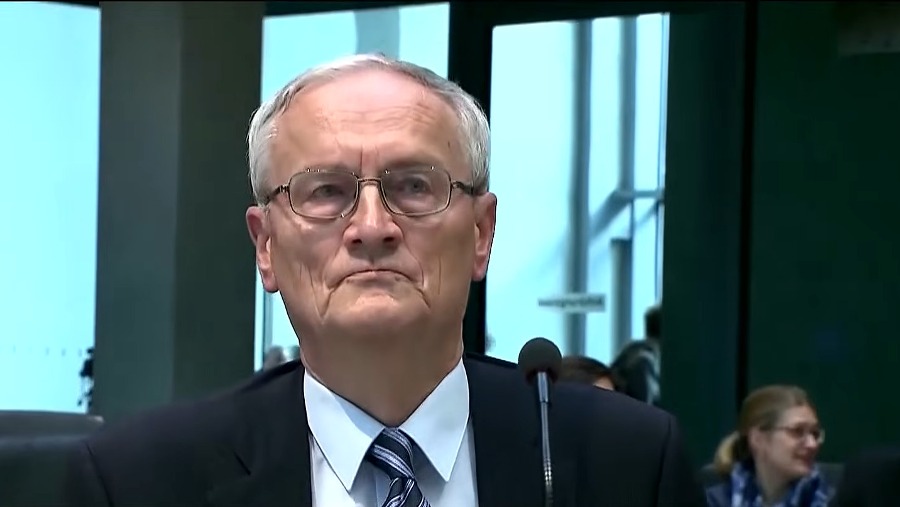
"The report was prepared for Azerbaijani intelligence": Former head of German intelligence arrested on suspicion of espionage – media
Aravot / 19 minutes ago
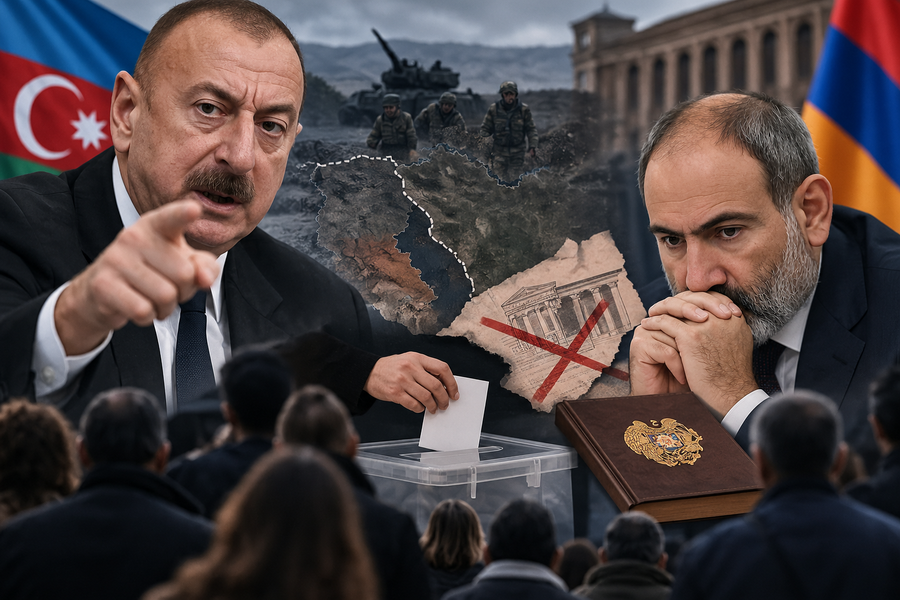
Controlled tension for convincing blackmail
Aravot / 30 minutes ago
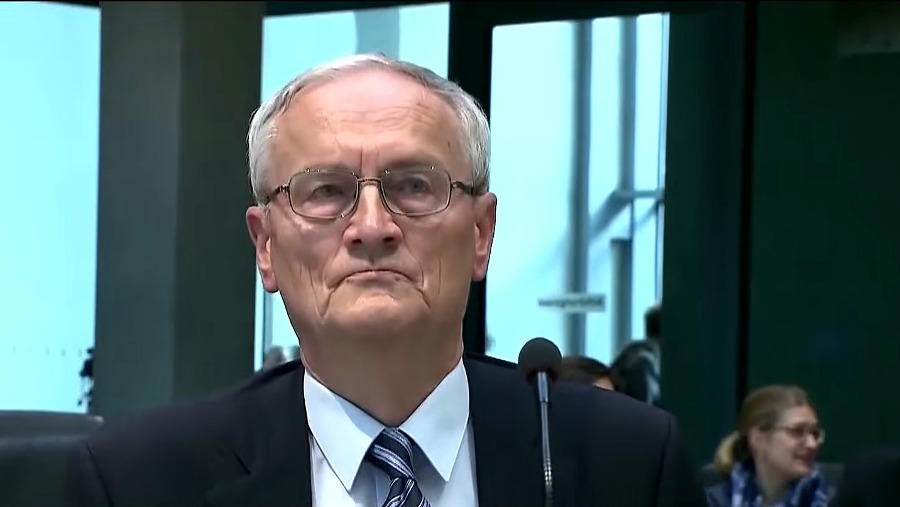
“The briefing was prepared for the Azerbaijani spy”: German ex-spy chief arrested on suspicion of espionage — Spiegel
Aravot / 31 minutes ago
Kalugin: Armenia's revision of its relationship with Russia threatens to lower gas prices
Aravot / 31 minutes ago
Related coverage

Trials help people sober up.
168 Jham / 10 hours ago

The Prosecutor General's Office of the Republic of Armenia is studying the "report" on the church
Sputnik Armenia / 15 hours ago
You were going to send "your clergy" to break down the door of the cathedral, you put a label on it, now you are holding it tenderly
Hraparak / 17 hours ago
Prosecutor's Office is examining the report on the "crisis in the church"
Azatutyun / 17 hours ago