Showing in English.
3 full-article translations/day — headlines & summaries always free. Create free account for 25/day
Almost a month later, the public still doesn't have the clearest answer: what happened to the water of the Sea of Azov?
Գրեթե մեկ ամիս անց հանրությունը դեռ չունի ամենապարզ պատասխանը՝ ի՞նչ է կատարվել Ծավի ջրի հետ.
"Zhoghovurd"
«Ժողովուրդ»
What is most noteworthy is that on September 17, the Investigative Committee announced that criminal proceedings have been initiated regarding water pollution in connection with the discovery of mercury in the Sea of Azov.
Առավել ուշագրավ է այն, որ սեպտեմբերի 17-ին Քննչական կոմիտեն հայտնել էր՝ Ծավի ջրում սնդիկի հայտնաբերման դեպքի առթիվ նախաձեռնվել է քրեական վարույթ՝ ջրերն աղտոտելու վերաբերյալ։
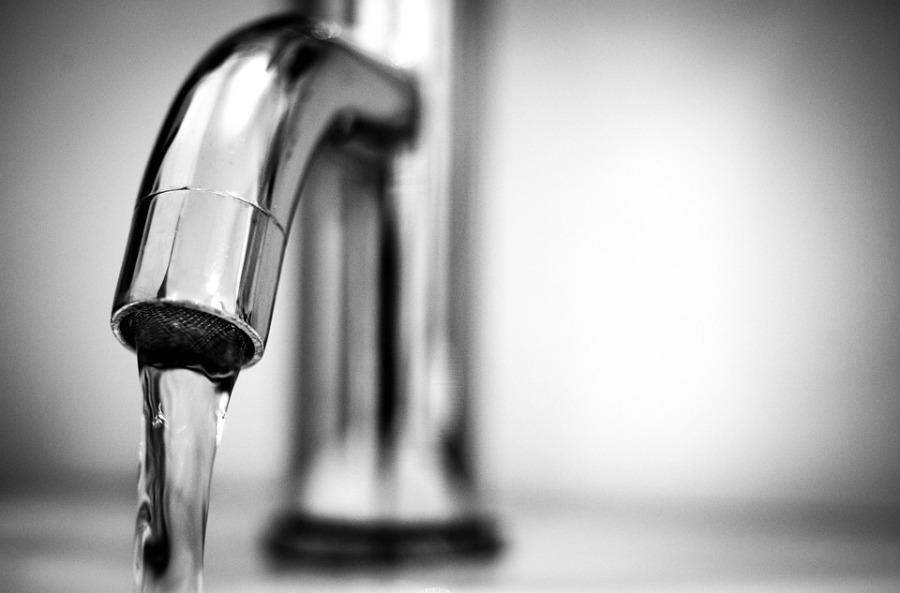
Everyone is investigating something, but after almost a month, the public still does not have the simplest answer: what happened to the water in Tsav?
Բոլորը ինչ-որ բան ուսումնասիրում են, բայց գրեթե մեկ ամիս անց հանրությունը դեռ չունի ամենապարզ պատասխանը՝ ի՞նչ է կատարվել Ծավի ջրի հետ։
Meanwhile, the problem is not just another administrative issue left in the file. It is about people's drinking and household water.
Այնինչ խնդիրը ոչ թե պարզապես թղթապանակում մնացած հերթական վարչական հարցն է։ Խոսքը մարդկանց խմելու և կենցաղային ջրի մասին է։
The Ministry of Health itself urged residents not to use water at all until the water quality is restored, not only for drinking, but also for household purposes.
Առողջապահության նախարարությունն ինքն էր բնակիչներին հորդորել մինչև ջրի որակի վերականգնումը ընդհանրապես չօգտագործել ջուրը՝ ոչ միայն խմելու, այլև կենցաղային նպատակներով։
As a result, the residents of Tsav have been living in an emergency mode for about a month. Water is supplied to residents through community means, in containers and bottled. According to our information, water use restrictions are also in place in the military unit in the area, where alternative water supply methods are also used.
Արդյունքում Ծավի բնակիչները շուրջ մեկ ամիս ապրում են արտակարգ ռեժիմով։ Ջուրը բնակիչներին մատակարարվում է համայնքային միջոցներով՝ տարաներով և շշալցված տարբերակով։ Մեր տեղեկություններով՝ ջրի օգտագործման սահմանափակումներ են գործում նաև տվյալ տարածքում գտնվող զորամասում, որտեղ ևս ջրամատակարարման այլընտրանքային միջոցներ են կիրառվում։
And here a very simple question arises: if state bodies still do not know what happened, then why should citizens be sure that the water flowing from their taps tomorrow is safe?
Ու այստեղ առաջանում է շատ պարզ հարց․ եթե պետական մարմինները դեռ չգիտեն՝ ինչ է տեղի ունեցել, ապա ինչո՞ւ քաղաքացիները պետք է վստահ լինեն, որ վաղը իրենց ծորակից հոսող ջուրը անվտանգ է։
What is most remarkable is that on September 17, the Investigative Committee announced that a criminal case had been initiated regarding the discovery of mercury in the Tsavi water, regarding water pollution.
Առավել ուշագրավ է այն, որ սեպտեմբերի 17-ին Քննչական կոմիտեն հայտնել էր՝ Ծավի ջրում սնդիկի հայտնաբերման դեպքի առթիվ նախաձեռնվել է քրեական վարույթ՝ ջրերն աղտոտելու վերաբերյալ։
In other words, the state had not only recorded a dangerous indicator, but also raised the issue to the level of criminal proceedings. But even after that, the public has not yet been presented with a clear and complete picture: where did the mercury come from, what is its source, what has been discovered by further studies, and, most importantly, when will the Tsavi water be safe again?
Այսինքն՝ պետությունը ոչ միայն արձանագրել էր վտանգավոր ցուցանիշ, այլև հարցը հասցրել էր քրեական վարույթի մակարդակի։ Բայց դրանից հետո էլ հասարակությանը մինչ այժմ չի ներկայացվել հստակ և ամբողջական պատկերը՝ որտեղից է հայտնվել սնդիկը, ինչն է դրա աղբյուրը, ինչ է հայտնաբերվել հետագա ուսումնասիրություններով և, ամենակարևորը՝ ե՞րբ է Ծավի ջուրը կրկին անվտանգ լինելու։
This situation is increasingly starting to resemble not a quick and systematic investigation, but a chain of transfer of responsibility.
Այս իրավիճակը գնալով սկսում է ավելի շատ նմանվել ոչ թե արագ և համակարգված քննության, այլ պատասխանատվության փոխանցման շղթայի։
One is waiting for the other, another for the results of the examination, and the third for the end of the proceedings.
Մեկը սպասում է մյուսին, մյուսը՝ փորձաքննության արդյունքներին, երրորդը՝ վարույթի ավարտին։
And the villager is waiting for water. Almost a month.
Իսկ գյուղացին սպասում է ջրին։ Գրեթե մեկ ամիս։
Moreover, according to the information of the “Zhoghovurd” daily, there is already a fear in the state system that the story may end not with the disclosure of the real cause, but with another “demonstrative” work: when for months various structures announce that they are studying the problem, and in the end the public is presented with such a general answer that it is not clear what actually happened.
Ավելին՝ «Ժողովուրդ» օրաթերթի տեղեկություններով՝ պետական համակարգում արդեն կա մտավախություն, որ պատմությունը կարող է ավարտվել ոչ թե իրական պատճառի բացահայտմամբ, այլ հերթական «ցուցադրական» աշխատանքով․ երբ ամիսներ շարունակ տարբեր կառույցներ հայտարարում են, որ ուսումնասիրում են խնդիրը, իսկ վերջում հանրությանը ներկայացվում է այնքան ընդհանրական պատասխան, որ այդպես էլ պարզ չի դառնում՝ իրականում ինչ է տեղի ունեցել։
In other words, it is possible that the most convenient option will be obtained: no one will be responsible, no one will say where the mercury came from, and the whole story will simply be “closed” under general formulations about the examinations and the work carried out.”
Այսինքն՝ հնարավոր է ստացվի ամենահարմար տարբերակը՝ ոչ ոք պատասխանատու չլինի, ոչ ոք չասի՝ որտեղից է սնդիկը հայտնվել, իսկ ամբողջ պատմությունը պարզապես «փակվի» փորձաքննությունների և իրականացված աշխատանքների մասին ընդհանուր ձևակերպումների տակ»։
The full article is in today’s issue of the “Zhoghovurd” daily.
Հոդվածն ամբողջությամբ՝ «Ժողովուրդ» օրաթերթի այսօրվա համարում։
Comments
No comments yet — be the first to comment.
More from Aravot
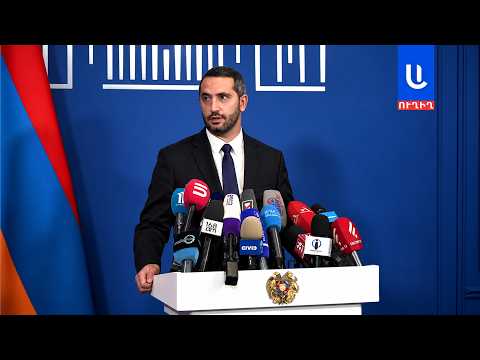
NA Speaker Ruben Rubinyan's briefing: LIVE
Aravot / 3 hours ago

"The report was prepared for Azerbaijani intelligence." Former German intelligence chief arrested on suspicion of espionage - Spiegel
Aravot / 3 hours ago
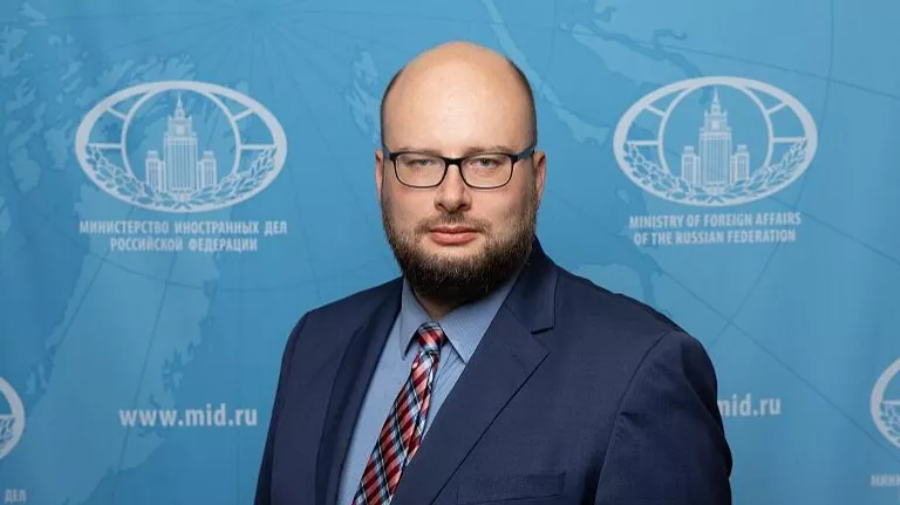
Kalugin: Yerevan is trying to shift responsibility for the withdrawal of the Gyumri base to Russia.
Aravot / 5 hours ago
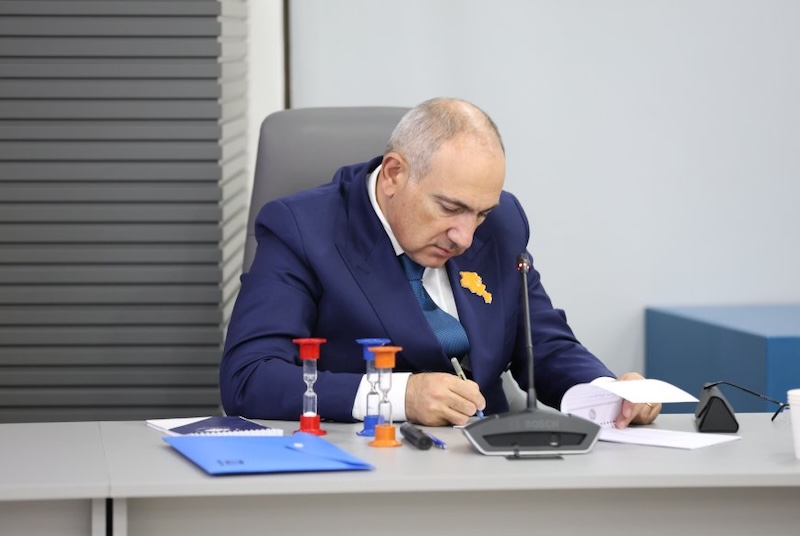
"Azerbaijan supports Pashinyan against Armenian nationalists." Harut Sassounian
Aravot / 6 hours ago