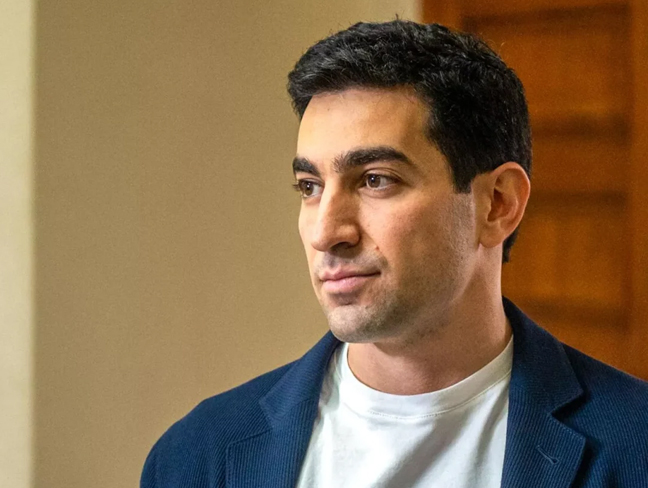
Levon Kocharyan, a lawmaker from the National Assembly’s Hayastan faction, addressed the work of the public broadcaster, pluralism and editorial independence during a debate titled “Growing threats to media pluralism and media independence” at PACE’s autumn session. He said the “public broadcaster is clearly biased in favor of the authorities.” “A private television company may have an owner and pursue its own editorial policy, while no such justification can apply to a public broadcaster funded by the taxes of citizens, including those who did not vote for the authorities. “In a democracy, citizens have the right not only to vote but also to be informed. Without pluralistic and independent media, that right remains only on paper,” the lawmaker said. He stressed that the public broadcaster is obliged to present the full range of views existing in society, report facts that may be inconvenient for the authorities and, when accusations are made against someone, provide the other side with an opportunity to respond. Otherwise, in his view, the public broadcaster provides messaging acceptable to the authorities instead of information. Kocharyan also recalled that a PACE report had noted what it described as clear bias by the public broadcaster in favor of the ruling party, which limited citizens’ ability to make an informed choice. Kocharyan also addressed the issue of editorial independence. “The public broadcaster’s main political program is hosted by the husband of a serving minister. Petros Ghazaryan is the husband of Education, Science, Culture and Sports Minister Zhanna Andreasyan. Such a situation raises, at the very least, serious questions about the public broadcaster’s editorial independence and impartiality,” Kocharyan said. He stressed that the public broadcaster should operate as a genuinely public broadcaster rather than a government broadcaster. “In addition, independent fact-checking organizations have identified networks of fake social media accounts that spread and amplify attacks targeting opposition figures. Some of those attacks have also reached prime-time television. “The solution is simple and has long been formulated by this Assembly as well: the public broadcaster must be genuinely public, not governmental. “Its impartiality must be guaranteed, genuine editorial independence must be ensured, and situations in which the authorities use the public broadcaster as their own propaganda tool must be prevented. “In a democracy, citizens have the right not only to vote but also to be informed. Without pluralistic and independent media, that right remains only on paper,” Kocharyan said.
Already in English.
5 full-article translations/day — headlines & summaries always free. Create free account for 25/day
MP questions Armenian public broadcaster’s impartiality at PACE
Levon Kocharyan told PACE that Armenia’s public broadcaster favors authorities.
Comments
No comments yet — be the first to comment.
More from PanArmenian
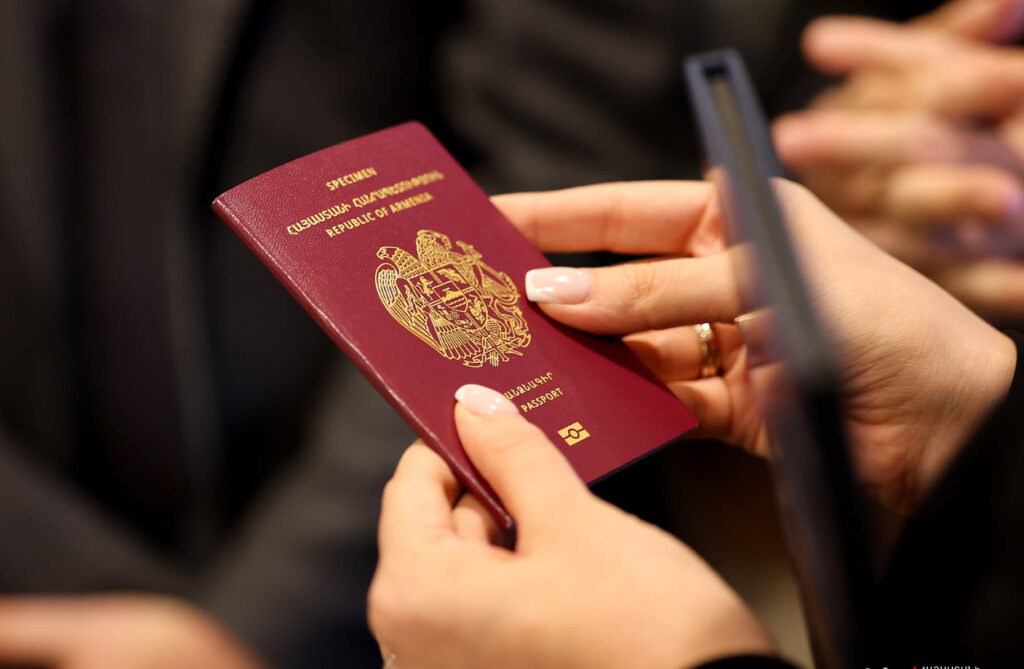
Minister unveils security features of new biometric passport
PanArmenian / Oct 3
Krisp expands voice AI technologies developed in Armenia
PanArmenian / Oct 3
Armenian deputy PM discusses reservoir projects with AFD
PanArmenian / Oct 3
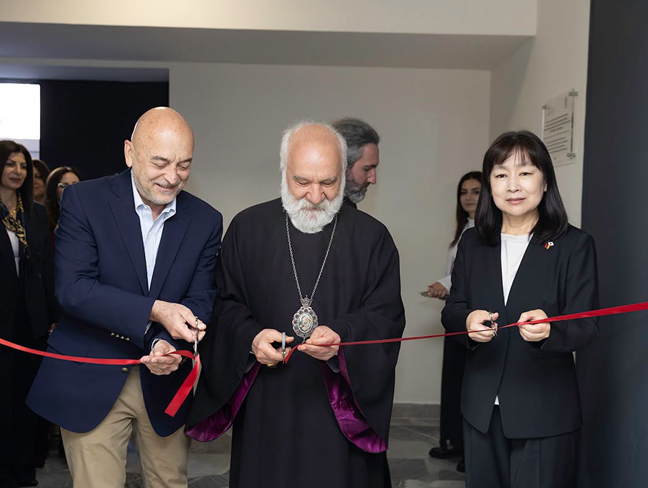
New museum artifact restoration workshop opens at Mother See
PanArmenian / Oct 3
Related coverage

30-ամյա օտարերկրացի տղամարդն Առինջում աշխատանքային և սեռական թրաֆիքինգի է ենթարկել մի խումբ կանանց
168 Jham / 19 minutes ago

«Գոռացել եմ, որ մատս մնացել է»․ ինչո՞ւ չի լսել 33 համարի ավտոբուսի վարորդը
ABC Media / 21 minutes ago
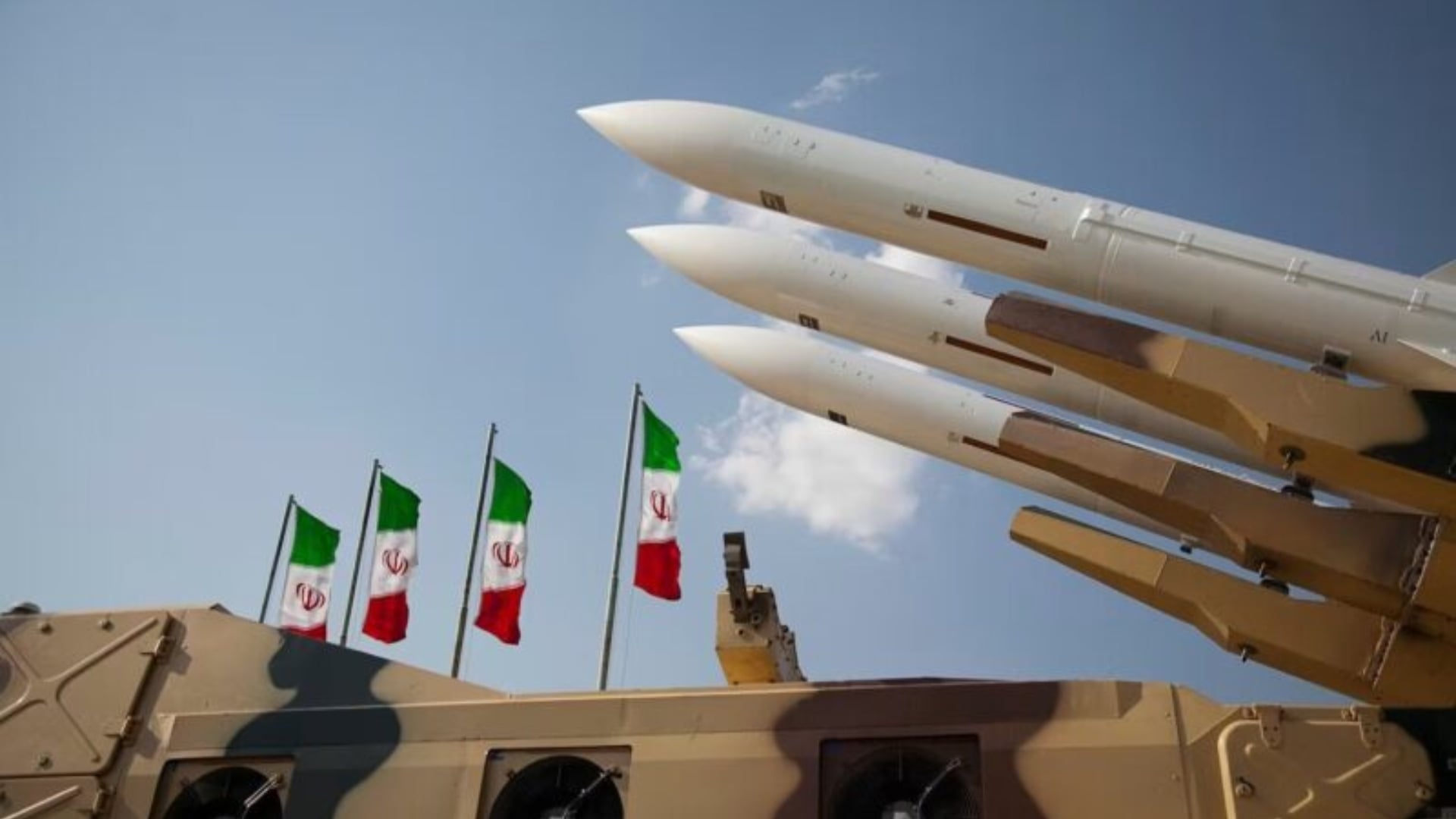
Իրանի պաշտպանության նախարարը զգուշացրել է ԱՄՆ-ին. «Մեր միջև հեռավորությունը որոշվում է մեր հրթիռներով»
168 Jham / 24 minutes ago
Միրզոյանը Արաղչիի հետ քննարկել է իր այցի ընթացքում ձեռք բերված պայմանավորվածությունների իրականացման ընթացքը
Aravot / 27 minutes ago