Showing in English.
5 full-article translations/day — headlines & summaries always free. Create free account for 25/day
From Russian fuel to a diversified market
Ռուսական վառելիքից դեպի դիվերսիֆիկացված շուկա
Data published in the Russian press indicate a rapid restructuring of Armenia's fuel market.
Ռուսական մամուլում հրապարակված տվյալները վկայում են Հայաստանի վառելիքային շուկայի արագ վերադասավորման մասին։
If by 2023 about 90 percent of gasoline imports will be...
Եթե 2023-ին բենզինի ներմուծման շուրջ 90 տոկոսը …
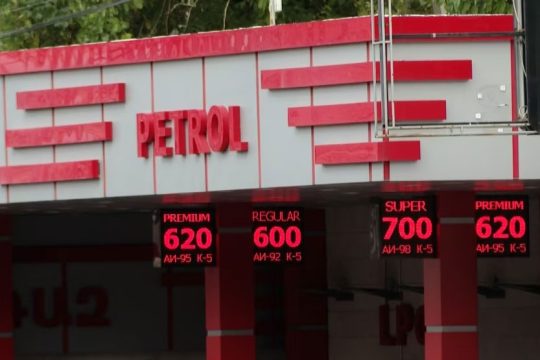
Data published in the Russian press indicate a rapid restructuring of Armenia’s fuel market. While in 2023, about 90 percent of gasoline imports came from Russia, in the first half of 2026 that share decreased to about 20 percent, with Bulgaria becoming the leading supplier. The same trend is observed in the diesel market, with Russia’s share decreasing from about 60 percent to 30 percent.
Ռուսական մամուլում հրապարակված տվյալները վկայում են Հայաստանի վառելիքային շուկայի արագ վերադասավորման մասին։ Եթե 2023-ին բենզինի ներմուծման շուրջ 90 տոկոսը գալիս էր Ռուսաստանից, ապա 2026-ի առաջին կիսամյակում այդ բաժինը նվազել է մինչև մոտ 20 տոկոս, իսկ առաջատար մատակարար դարձել է Բուլղարիան։ Դիզելի շուկայում ևս նույն միտումն է՝ Ռուսաստանի մասնաբաժինը մոտ 60 տոկոսից նվազել է մինչև 30 տոկոս։
In other words, in just a few years, Armenia is moving from almost complete dependence on a single supplier to a more diversified import structure. This is not just a trade change; the risk that a decision by one country could immediately affect the entire market is also decreasing.
Այսինքն՝ ընդամենը մի քանի տարվա ընթացքում Հայաստանը մեկ մատակարարից գրեթե լիակատար կախվածությունից անցնում է ավելի բազմազան ներմուծման կառուցվածքի։ Սա պարզապես առևտրային փոփոխություն չէ․ նվազում է նաև այն ռիսկը, երբ մեկ երկրի որոշումը կարող էր անմիջապես ազդել ամբողջ շուկայի վրա։
Another indicator is even more remarkable. In the first half of 2026, Azerbaijan already accounted for about 3 percent of Armenia’s gasoline imports and 8 percent of diesel. At the same time, the reduction in Russian supplies is being offset by an increase in imports from Bulgaria, Romania, and Turkey.
Առավել ուշագրավ է մեկ այլ ցուցանիշ։ 2026-ի առաջին կիսամյակում Ադրբեջանին արդեն բաժին է ընկել Հայաստանի բենզինի ներմուծման շուրջ 3, իսկ դիզելի՝ 8 տոկոսը։ Միաժամանակ ռուսական մատակարարումների կրճատումը լրացվում է Բուլղարիայից, Ռումինիայից և Թուրքիայից ներմուծման աճով։
If the general trend of these figures holds, it is not just a matter of changing suppliers. The entire structure of Armenia’s fuel dependence is changing, from a single main source to a more diversified market. This reduces the risk that one country’s decision could immediately affect the entire domestic market.
Եթե այս թվերի ընդհանուր միտումը պահպանվի, ապա խոսքը պարզապես մատակարարների փոփոխության մասին չէ։ Փոխվում է Հայաստանի վառելիքային կախվածության ամբողջ կառուցվածքը՝ մեկ հիմնական աղբյուրից դեպի ավելի բազմազան շուկա։ Սա նվազեցնում է այն ռիսկը, երբ մի երկրի որոշումը կարող էր անմիջապես ազդել ամբողջ ներքին շուկայի վրա։
The restrictions on the export of Russian gasoline in Armenia have also been accompanied by a significant increase in fuel prices. The price of AI-92 gasoline has risen from about 480 drams to 600, and AI-95 from 500 to 620 drams. Diversification may initially be more expensive, but in return Armenia is reducing the risk of dependence on a single supplier. Short-term price pressure here is the price of greater independence in the long term.
Ռուսական բենզինի արտահանման սահմանափակումները Հայաստանում ուղեկցվել են նաև վառելիքի նկատելի թանկացմամբ․ AI-92 բենզինի գինը մոտ 480 դրամից հասել է 600-ի, իսկ AI-95-ը՝ 500-ից 620 դրամի։ Դիվերսիֆիկացիան սկզբում կարող է ավելի թանկ արժենալ, բայց դրա դիմաց Հայաստանը նվազեցնում է մի մատակարարից կախվածության ռիսկը։ Կարճաժամկետ գնային ճնշումը այստեղ երկարաժամկետ ավելի մեծ ինքնուրույնության գինն է։
The main change is in the structure of the market itself. In just three years, Armenia has moved from a near-Russian monopoly to a multi-centered supply system. The place of Russian fuel is partially taken by EU countries, Turkey, and for the first time, Azerbaijan. Thus, not only the geography of imports is changing, but also the ratio under which one supplier can no longer determine the conditions of the Armenian market to the same extent.
Հիմնական փոփոխությունը հենց շուկայի կառուցվածքում է։ Ընդամենը երեք տարվա ընթացքում Հայաստանը գրեթե ռուսական մենաշնորհից անցնում է բազմակենտրոն մատակարարման համակարգի։ Ռուսական վառելիքի տեղը մասամբ զբաղեցնում են ԵՄ երկրները, Թուրքիան և առաջին անգամ՝ Ադրբեջանը։ Այսպիսով փոխվում է ոչ միայն ներմուծման աշխարհագրությունը, այլև այն հարաբերակցությունը, որի պայմաններում մեկ մատակարար այլևս չի կարող նույն չափով որոշել հայկական շուկայի պայմանները։
This is an example of a rearrangement of regional economic ties. If previously the main issue of Armenia’s energy security was the stability of Russian supplies, now another issue is gradually emerging: how quickly and how effectively Armenia can create a competitive supply system, where no single country can become indispensable.
Սա տարածաշրջանային տնտեսական կապերի վերադասավորման օրինակ է։ Եթե նախկինում Հայաստանի էներգետիկ անվտանգության հիմնական հարցը ռուսական մատակարարման կայունությունն էր, ապա այժմ աստիճանաբար առաջ է գալիս մեկ այլ խնդիր՝ որքան արագ և որքան արդյունավետ կարող է Հայաստանը ստեղծել մրցակցող մատակարարումների համակարգ, որտեղ որևէ մեկ երկիր չի կարող դառնալ անփոխարինելի։
The increase in fuel prices is the visible price. The deeper process is the reduction of dependence.
Վառելիքի թանկացումը տեսանելի գինն է։ Ավելի խորքային գործընթացը կախվածության նվազեցումն է։
Comments
No comments yet — be the first to comment.
More from 1in.am

Democracy must be protected: political status does not exempt from criminal liability
1in.am / 1 hour ago
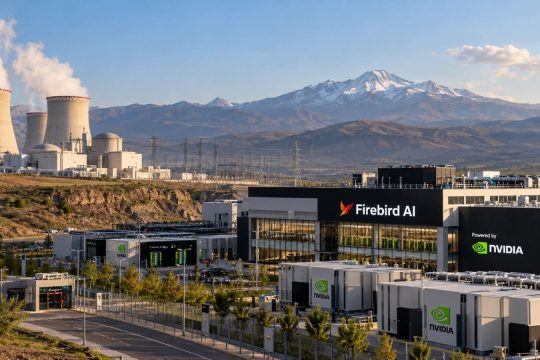
The geopolitical cost of a nuclear power plant
1in.am / 1 hour ago

Pashinyan visited the festival of national culture and cuisine with the leaders of the CIS countries
1in.am / 1 hour ago

Nikol Pashinyan met with Masoud Pezeshkian
1in.am / 1 hour ago
Related coverage
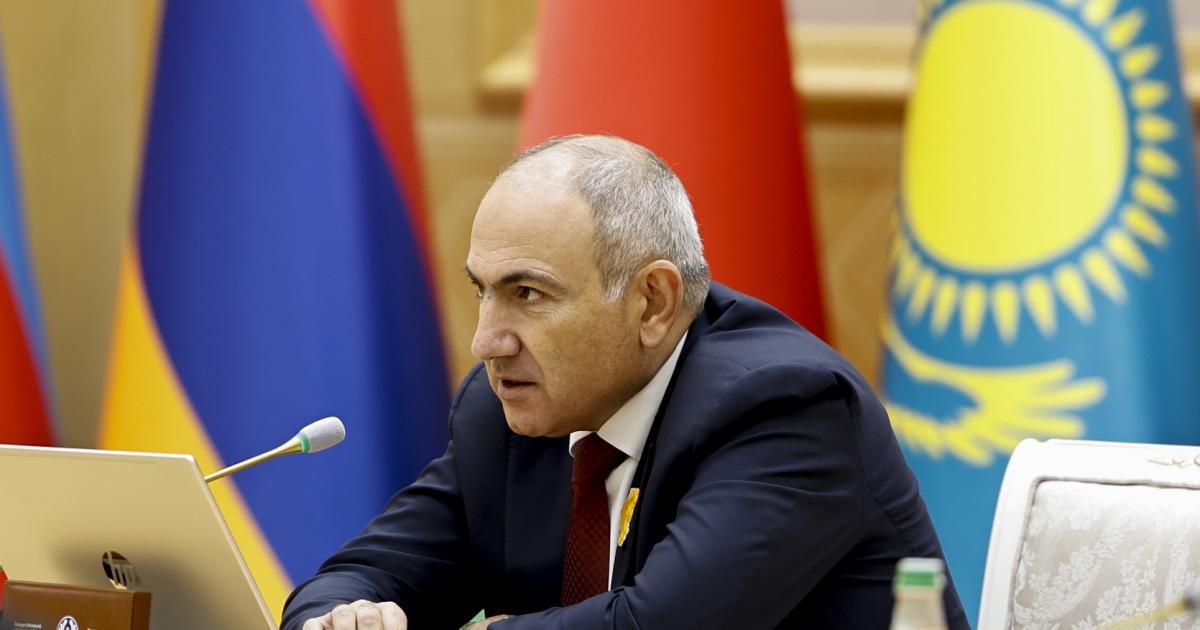
It should be emphasized that the peace established between Armenia and Azerbaijan is not perfect: Nikol Pashinyan
Aysor.am / 13 minutes ago
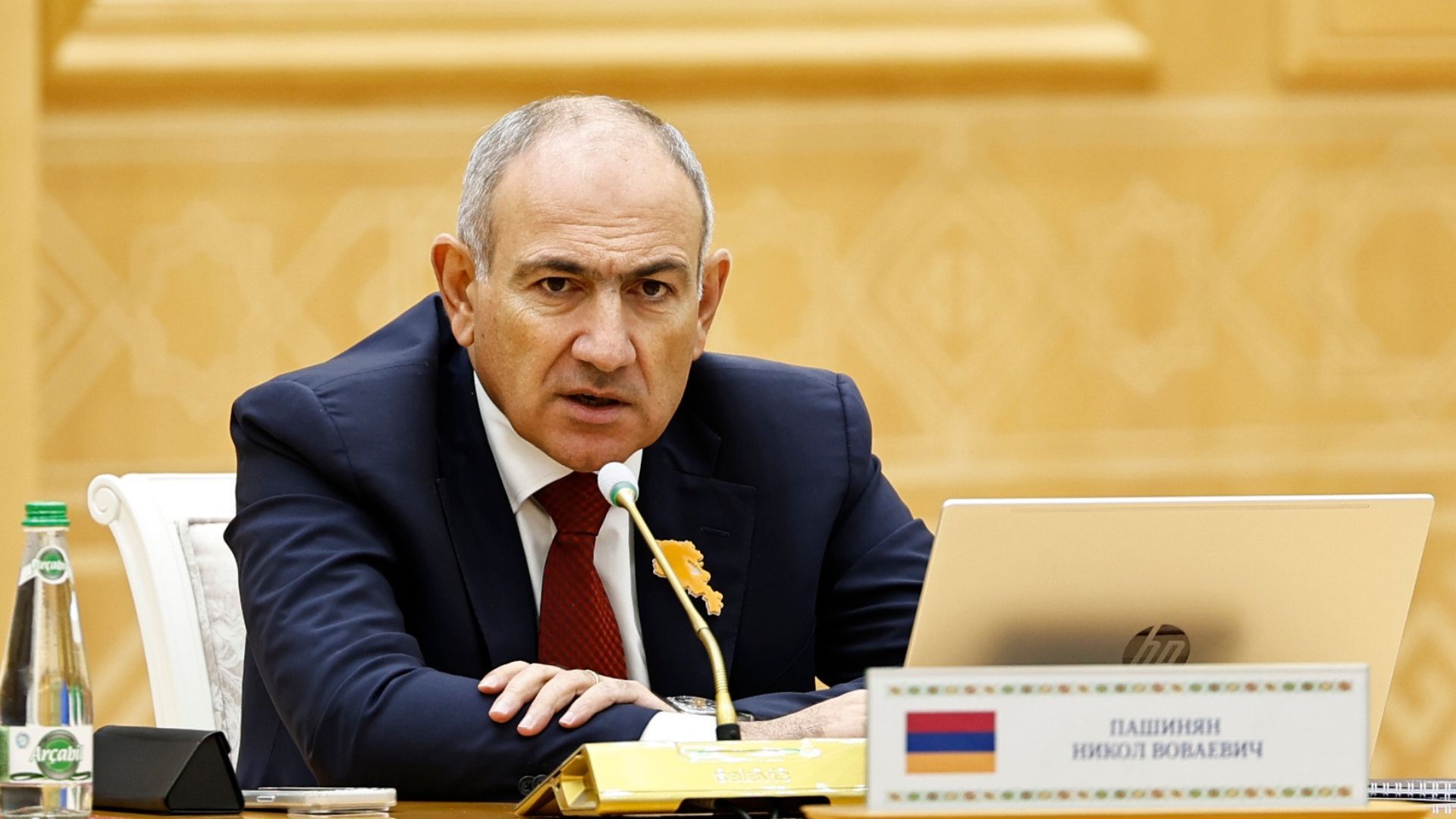
VIDEO: We have achieved the impossible, and we need to take care of the peace we have achieved every day: Pashinyan
ArmLur / Zhoghovurd / 20 minutes ago
Chairman of the Judicial Council Artur Atabekyan discussed issues of judicial cooperation with the Vice-President of the French Council of State
Hetq / 21 minutes ago

We have achieved the impossible, and we need to take care of the peace we have achieved every day. Pashinyan
A1plus / 23 minutes ago