Showing in English.
5 full-article translations/day — headlines & summaries always free. Create free account for 25/day
One of the biggest risks of artificial intelligence is the gradual weakening of students' independent thinking: "Facts"
Արհեստական բանականության ամենամեծ ռիսկերից մեկը աշակերտների ինքնուրույն մտածողության աստիճանական թուլացումն է.
«Փաստ»
The question is not whether or not artificial intelligence should be used in school, but under what conditions, within what limits, with what methodology and with what control it should be applied in order to become an assistant to education, not a substitute, a stimulator of thought, not a machine that works instead of thinking.
Հարցը ոչ թե այն է՝ պե՞տք է, արդյոք, արհեստական բանականությունը դպրոցին, թե ոչ, այլ այն, թե ինչ պայմաններով, ինչ սահմաններով, ինչ մեթոդաբանությամբ և ինչ վերահսկողությամբ այն պետք է կիրառվի, որպեսզի դառնա կրթության օգնական, ոչ թե փոխարինող, մտածողության խթանիչ, ոչ թե մտածողության փոխարեն աշխատող մեքենա։
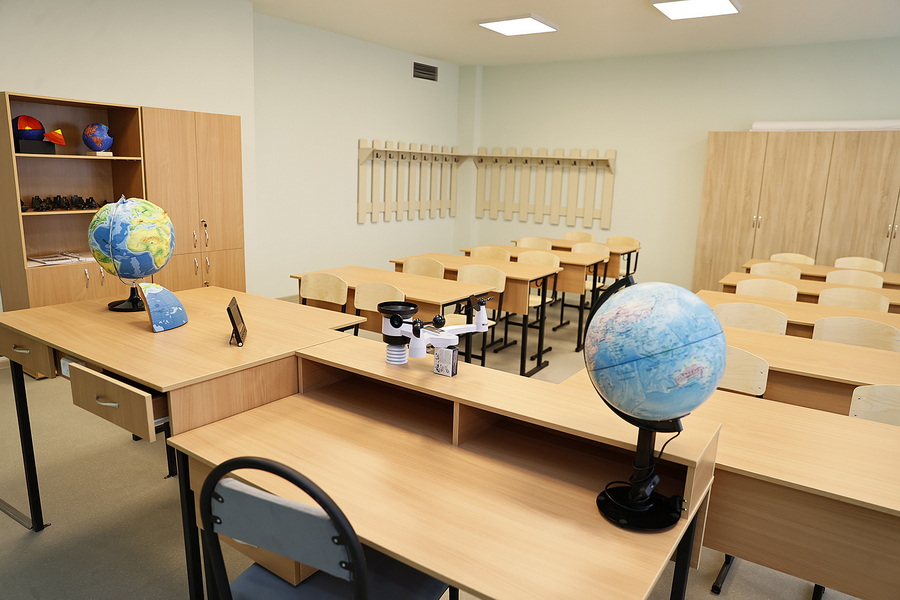
The availability of ChatGPT Edu for schools in Armenia can open up a number of positive opportunities: some relief for teachers' work, providing individual explanations for students, promoting foreign languages, natural sciences, programming, written speech, research work, and creative thinking, as well as access to additional educational resources for small and district schools.
Հայաստանի դպրոցների համար ChatGPT Edu-ի հասանելիությունը կարող է բացել մի շարք դրական հնարավորություններ՝ ուսուցիչների աշխատանքի որոշակի թեթևացում, աշակերտների համար անհատական բացատրությունների տրամադրում, օտար լեզուների, բնագիտական առարկաների, ծրագրավորման, գրավոր խոսքի, հետազոտական աշխատանքի և ստեղծագործական մտածողության խթանում, ինչպես նաև փոքր և մարզային դպրոցների համար լրացուցիչ կրթական ռեսուրսների հասանելիություն։
But it is equally important to understand that this change cannot be viewed only in terms of technological excitement. The entry of artificial intelligence into school simultaneously opens up profound, sometimes invisible, but long-term questions related to the independence of thought, the authority of the teacher, academic integrity, linguistic identity, socialization, data security, educational inequality, and the relationship between man and technology in general. The question, therefore, is not whether or not artificial intelligence should be used in school, but under what conditions, within what limits, with what methodology, and with what controls it should be applied in order to become an assistant to education, not a substitute, a stimulator of thought, not a machine that works instead of thinking.
Սակայն նույնքան կարևոր է հասկանալ, որ այս փոփոխությունը չի կարելի դիտարկել միայն տեխնոլոգիական ոգևորության տեսանկյունից։ Արհեստական բանականության մուտքը դպրոց միաժամանակ բացում է խորքային, երբեմն անտեսանելի, բայց երկարաժամկետ հետևանքներ ունեցող հարցեր՝ կապված մտածողության ինքնուրույնության, ուսուցչի հեղինակության, ակադեմիական ազնվության, լեզվամշակութային ինքնության, սոցիալականացման, տվյալների անվտանգության, կրթական անհավասարության և ընդհանրապես մարդու ու տեխնոլոգիայի հարաբերակցության հետ։ Հետևաբար, հարցը ոչ թե այն է՝ պե՞տք է, արդյոք, արհեստական բանականությունը դպրոցին, թե ոչ, այլ այն, թե ինչ պայմաններով, ինչ սահմաններով, ինչ մեթոդաբանությամբ և ինչ վերահսկողությամբ այն պետք է կիրառվի, որպեսզի դառնա կրթության օգնական, ոչ թե փոխարինող, մտածողության խթանիչ, ոչ թե մտածողության փոխարեն աշխատող մեքենա։
The purpose of education is not just to get the right answer. The value of school is not so much that the student knows facts and formulas, but that he learns to ask a question, doubt, reason, compare, make mistakes, try again, formulate, reason, and reach a conclusion with his own mind.
Կրթության նպատակը միայն ճիշտ պատասխան ստանալը չէ։ Դպրոցի արժեքը ոչ այնքան այն է, որ աշակերտը իմանա փաստեր ու բանաձևեր, այլ այն, որ նա սովորի հարց տալ, կասկածել, տրամաբանել, համեմատել, սխալվել, կրկին փորձել, ձևակերպել, պատճառաբանել և սեփական մտքով հասնել եզրակացության։
If the AB gives a quick, smooth, confident and literate answer to every question, then mental dependence can develop in the student. He no longer goes through a difficulty, does not fight the problem, does not learn the value of discomfort, uncertainty and effort. And real thinking is formed in that difficulty. When a child cannot find a solution to a mathematical problem and tries different ways, when he searches for the right word for a long time while writing an essay, when he tries to build a causal relationship to understand a historical event, that is when his brain develops, not at the moment when the machine presents the answer in a beautiful formulation.
Եթե ԱԲ-ն ամեն հարցի արագ, հարթ, վստահ և գրագետ պատասխան է տալիս, ապա աշակերտի մոտ կարող է ձևավորվել մտավոր կախվածություն։ Նա այլևս չի անցնում դժվարության միջով, չի պայքարում խնդրի հետ, չի սովորում անհարմարության, անորոշության և ջանքերի արժեքը։ Իսկ իրական մտածողությունը հենց այդ դժվարության մեջ է ձևավորվում։ Երբ երեխան մաթեմատիկական խնդրի լուծումը չի կարողանում գտնել և փորձում է տարբեր ճանապարհներ, երբ շարադրություն գրելիս երկար փնտրում է ճիշտ բառը, երբ պատմական իրադարձությունը հասկանալու համար փորձում է պատճառահետևանքային կապ կառուցել, այդ պահին է զարգանում նրա ուղեղը, ոչ թե այն պահին, երբ մեքենան պատրաստի պատասխանը ներկայացնում է գեղեցիկ ձևակերպմամբ։
If students learn that the "answer" comes from a single question, they may lose the ability to verify sources, compare different points of view, and form a critical attitude toward information. And in the modern world, media literacy and critical thinking are one of the key problems of education. In Armenia's educational environment, this danger is particularly acute because in many cases schoolchildren already have difficulty understanding text, reading, analyzing, and reproducing long material in their own words.
Եթե աշակերտները սովորեն, որ «պատասխանը» ստացվում է մեկ հարցումով, նրանք կարող են կորցնել աղբյուրները ստուգելու, տարբեր տեսակետներ համեմատելու և տեղեկատվության նկատմամբ քննադատական վերաբերմունք ձևավորելու կարողությունը։ Իսկ ժամանակակից աշխարհում հենց մեդիագրագիտությունն ու քննադատական մտածողությունն են կրթության առանցքային խնդիրներից մեկը։ Հայաստանի կրթական միջավայրում այս վտանգը առանձնահատուկ սրություն ունի, որովհետև շատ դեպքերում դպրոցականներն արդեն իսկ դժվարանում են տեքստ հասկանալու, երկար նյութ կարդալու, վերլուծելու և սեփական բառերով վերարտադրելու հարցերում։
If the possibility of obtaining ready-made material through AI is added to these problems, the phenomenon of a student pretending to have learned instead of learning can deepen. He can present a beautiful essay that he has not written, prepare a project work that he has not studied, solve problems that he has not understood, answer questions that he has not really thought about. In this case, the education system may fall into a dangerous illusion. The results will improve on paper, homework will become more literate, projects more beautiful, slides more impressive, but real knowledge may not grow, even decrease. The school will receive a more polished external product, but not necessarily a more developed student. This is a risk that is very difficult to measure, because the work obtained through AI can be of higher quality than the actual ability of the student. The teacher will have to evaluate not only the final result, but also the process—how the student has achieved that result, what questions he has asked, what sources he has used, what mistakes he has corrected, what conclusion he has drawn on his own.
Եթե այս խնդիրներին ավելանում է ԱԲ-ի միջոցով պատրաստի նյութ ստանալու հնարավորությունը, ապա կարող է խորանալ այն երևույթը, երբ աշակերտը ոչ թե սովորում է, այլ ձևացնում է, թե սովորել է։ Նա կարող է ներկայացնել գեղեցիկ շարադրություն, որը ինքը չի գրել, պատրաստել նախագծային աշխատանք, որը չի ուսումնասիրել, լուծել խնդիրներ, որոնց տրամաբանությունը չի հասկացել, պատասխանել հարցերի, որոնց մասին իրականում չի մտածել։ Այս դեպքում կրթական համակարգը կարող է հայտնվել վտանգավոր պատրանքի մեջ։ Արդյունքները թղթի վրա կլավանան, տնային աշխատանքները կդառնան ավելի գրագետ, նախագծերը՝ ավելի գեղեցիկ, սլայդները՝ ավելի տպավորիչ, բայց իրական գիտելիքը կարող է չաճել, նույնիսկ նվազել։ Դպրոցը կստանա ավելի հղկված արտաքին արտադրանք, բայց ոչ անպայման ավելի զարգացած աշակերտ։ Սա այն վտանգն է, որը շատ դժվար է չափել, որովհետև ԱԲ-ի միջոցով ստացված աշխատանքը կարող է արտաքինից ավելի բարձր որակի լինել, քան աշակերտի իրական կարողությունը։ Ուսուցիչը ստիպված է լինելու գնահատել ոչ միայն վերջնական արդյունքը, այլև ընթացքը՝ ինչպես է աշակերտը հասել այդ արդյունքին, ինչ հարցեր է տվել, ինչ աղբյուրներ է օգտագործել, ինչ սխալներ է ուղղել, ինչ եզրակացություն է ինքնուրույն արել։
The issue of academic integrity becomes central in these circumstances. If the school continues to use the same assessment methods as before: a home essay, a ready-made referee, a standard questionnaire, a simple presentation, then under the conditions of AB, these methods will quickly lose their meaning. A student can receive a text in a matter of seconds that previously required hours or days of work to create. This does not mean that AB should be banned, but it does mean that the culture of assessment should be changed. A greater place should be given to verbal defenses, classroom work, presentation of drafts, explanation of the thought process, critical analysis of sources, inclusion of individual experience and local context, demonstration of steps to solve problems. If a student has used AB, he or she should be able to explain for what purpose he or she used, what it helped with, what errors he found in its answer, what he changed, what he or she added on his own. In that case, AI can become a subject of media literacy and research culture training. But if it remains unregulated, it will become a new, much more sophisticated form of copying.
Ակադեմիական ազնվության հարցը այս պայմաններում դառնում է կենտրոնական։ Եթե դպրոցը շարունակի կիրառել նույն գնահատման մեթոդները, ինչ մինչ այժմ՝ տնային շարադրություն, պատրաստի ռեֆերատ, ստանդարտ հարցաթերթ, պարզ ներկայացում, ապա ԱԲ-ի պայմաններում այդ մեթոդները արագորեն կորցնելու են իրենց իմաստը։ Աշակերտը կարող է մի քանի վայրկյանում ստանալ այնպիսի տեքստ, որի ստեղծման համար նախկինում պետք էր ժամեր կամ օրեր աշխատել։ Սա չի նշանակում, որ պետք է արգելել ԱԲ-ն, բայց նշանակում է, որ պետք է փոխել գնահատման մշակույթը։ Ավելի մեծ տեղ պետք է ստանան բանավոր պաշտպանությունները, դասարանում կատարվող աշխատանքները, սևագրերի ներկայացումը, մտածողության ընթացքի բացատրությունը, աղբյուրների քննադատական վերլուծությունը, անհատական փորձի և տեղական համատեքստի ներառումը, խնդիրների լուծման քայլերի ցուցադրումը։ Եթե աշակերտը օգտվել է ԱԲ-ից, նա պետք է կարողանա բացատրել՝ ինչ նպատակով է օգտվել, ինչ հարցում է այն օգնել, ինչ սխալներ է գտել դրա պատասխանում, ինչ է փոխել, ինչն է ինքնուրույն ավելացրել։ Այդ դեպքում ԱԲ-ն կարող է դառնալ մեդիագրագիտության և հետազոտական մշակույթի ուսուցման առարկա։ Բայց եթե այն մնա չկարգավորված, կդառնա արտագրության նոր, շատ ավելի կատարելագործված ձև։
Investment in AI can also increase or decrease educational inequality, depending on policy. If all public schools get access to the same platform, this can level the playing field to some extent, especially for district and small schools. For example, a school that does not have adequate labs, has limited practical opportunities in foreign languages, or has difficulty finding additional professional materials can receive some additional support through AI. But technological access is not just about having a platform account. You need to have devices, stable internet, digital literacy, teacher training, a quality work environment in English, and a coordinated approach between parents and school. On the other hand, if AI is applied in a thoughtful, project-based and controlled way in one school, and in another in a random or formal way, the new tool could deepen the disparity between schools. The same applies to pupils. Children whose families have high numerical literacy, parental control and a culture of learning will use AI as a tool for development, and children who do not have that support may find it easier to go down the path of taking ready-made answers. That is, the same technology can become an elevator for one and a trap for another.
ԱԲ-ի ներդրումը կարող է նաև մեծացնել կամ նվազեցնել կրթական անհավասարությունը՝ կախված քաղաքականությունից։ Եթե բոլոր պետական դպրոցները ստանում են նույն հարթակին հասանելիություն, դա կարող է որոշ չափով հավասարեցնել հնարավորությունները, հատկապես մարզային և փոքր դպրոցների համար։ Օրինակ՝ այն դպրոցը, որտեղ չկա բավարար լաբորատորիա, սահմանափակ են օտար լեզուների պրակտիկ հնարավորությունները կամ դժվար է գտնել լրացուցիչ մասնագիտական նյութեր, կարող է ԱԲ-ի միջոցով ստանալ որոշակի լրացուցիչ աջակցություն։ Բայց տեխնոլոգիական հասանելիությունը միայն հարթակի հաշիվ ունենալը չէ։ Պետք է ունենալ սարքեր, կայուն ինտերնետ, թվային գրագիտություն, ուսուցիչների պատրաստվածություն, հայերենով որակյալ աշխատանքային միջավայր, ծնողների և դպրոցի համաձայնեցված մոտեցում։ Մյուս կողմից՝ եթե մի դպրոցում ԱԲ-ն կիրառվի մտածված, նախագծային և վերահսկելի ձևով, իսկ մյուսում՝ պատահական կամ ձևական, ապա նոր գործիքը կարող է խորացնել դպրոցների միջև տարբերությունը։ Նույնը վերաբերում է աշակերտներին։ Այն երեխաները, որոնց ընտանիքներում կա բարձր թվային գրագիտություն, ծնողական վերահսկողություն և սովորելու մշակույթ, ԱԲ-ն կօգտագործեն որպես զարգանալու գործիք, իսկ այն երեխաները, որոնք չունեն այդ աջակցությունը, կարող են ավելի հեշտ գնալ պատրաստի պատասխաններ վերցնելու ճանապարհով։ Այսինքն, նույն տեխնոլոգիան կարող է մեկի համար դառնալ վերելակ, մյուսի համար՝ ծուղակ։
The issue of data security and children's rights is also important. When schoolchildren interact with AB platforms, they can enter personal information, classroom situations, family problems, psychological difficulties, data about friends, or the names of teachers. Any digital environment involving minors requires a high level of caution. Communication with AI may seem personal and safe, but children need to know that information cannot be written there that will not be written in a public setting or shared with a responsible adult. At the same time, if a student reports to the AB about a severe psychological condition, violence, self-harm or other risk, the school should have a response system. Here, the technological project immediately becomes a matter of pedagogical, legal and psychological responsibility.
Կարևոր է նաև տվյալների անվտանգության և երեխաների իրավունքների հարցը։ Երբ դպրոցականները շփվում են ԱԲ հարթակների հետ, նրանք կարող են մուտքագրել անձնական տեղեկություններ, դասարանային իրավիճակներ, ընտանեկան խնդիրներ, հոգեբանական դժվարություններ, ընկերների մասին տվյալներ կամ ուսուցիչների անուններ։ Անչափահասների հետ կապված ցանկացած թվային միջավայր պահանջում է բարձր զգուշություն։ ԱԲ-ի հետ հաղորդակցությունը կարող է թվալ անձնական և անվտանգ, բայց երեխաները պետք է իմանան, որ չի կարելի այնտեղ գրել այնպիսի տեղեկություններ, որոնք չեն գրի հանրային միջավայրում կամ չեն կիսվի պատասխանատու մեծահասակի հետ։ Միաժամանակ, եթե աշակերտը ԱԲ-ին հայտնում է հոգեբանական ծանր վիճակի, բռնության, ինքնավնասման կամ այլ ռիսկի մասին, դպրոցը պետք է ունենա արձագանքման համակարգ։ Այստեղ տեխնոլոգիական նախագիծը անմիջապես դառնում է մանկավարժական, իրավական և հոգեբանական պատասխանատվության հարց։
There is also a value risk associated with the use of artificial intelligence. AI models learn on large amounts of data and can carry different cultural, linguistic, political, or social biases. They can present certain topics with a globalized or centralized approach that does not always correspond to the educational, historical, and cultural characteristics of Armenia.
Արհեստական բանականության կիրառման հետ կապված կա նաև արժեքային վտանգ։ ԱԲ մոդելները սովորում են մեծածավալ տվյալների վրա և կարող են կրել տարբեր մշակութային, լեզվական, քաղաքական կամ սոցիալական կողմնակալություններ։ Դրանք կարող են որոշ թեմաներ ներկայացնել գլոբալացված կամ միջինացված մոտեցմամբ, որը միշտ չէ, որ համապատասխանում է Հայաստանի կրթական, պատմական և մշակութային առանձնահատկություններին։
But the problem is that if a tool is perceived as a learning aid, it can be useful, and if it is perceived as a substitute for learning, it can become dangerous. One of the biggest risks of artificial intelligence is the gradual weakening of students' independent thinking.
Սակայն խնդիրն այն է, որ եթե գործիքը ընկալվում է որպես սովորելու աջակցություն, այն կարող է օգտակար լինել, իսկ եթե ընկալվում է որպես սովորելու փոխարինում, այն կարող է դառնալ վտանգավոր։ Արհեստական բանականության ամենամեծ ռիսկերից մեկը աշակերտների ինքնուրույն մտածողության աստիճանական թուլացումն է։
The full article is in today's issue of the newspaper Facts.
Արթուր ԿԱՐԱՊԵՏՅԱՆ Հոդվածն ամբողջությամբ՝ «Փաստ» թերթի այսօրվա համարում։
Comments
No comments yet — be the first to comment.
More from Aravot

Our capital deserves great thinking and great plans: Samvel Karapetyan
Aravot / 26 minutes ago
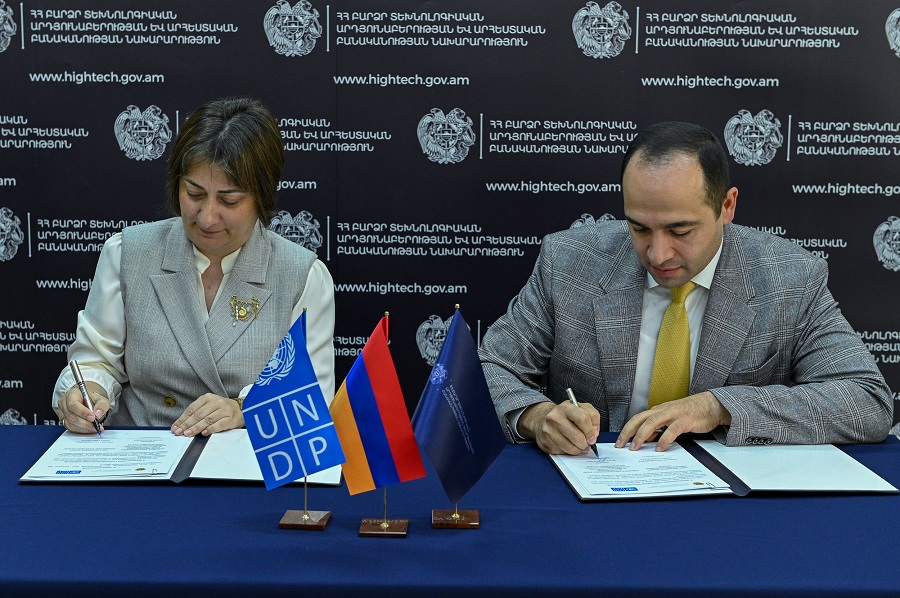
To ensure mass education, especially in those areas where the development of digital skills is important and crucial: a memorandum of understanding has been signed
Aravot / 38 minutes ago
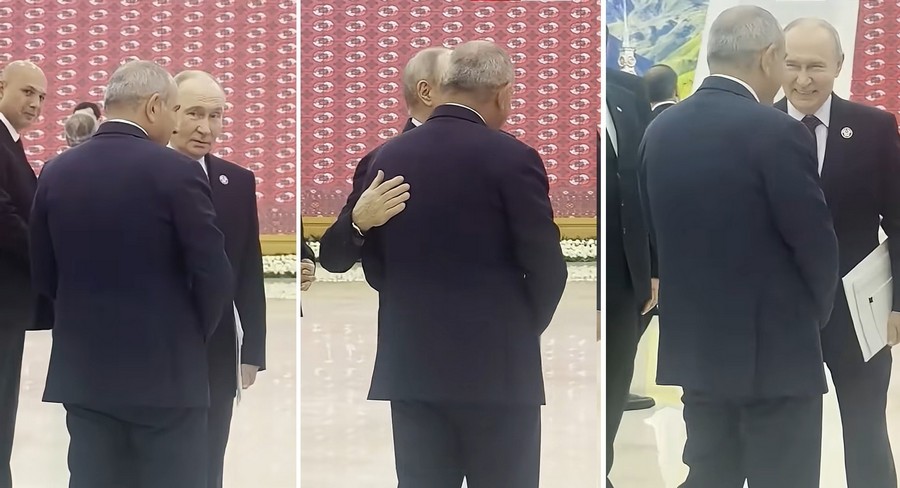
Putin's hand on Pashinyan's back: a life-or-death impasse
Aravot / 53 minutes ago
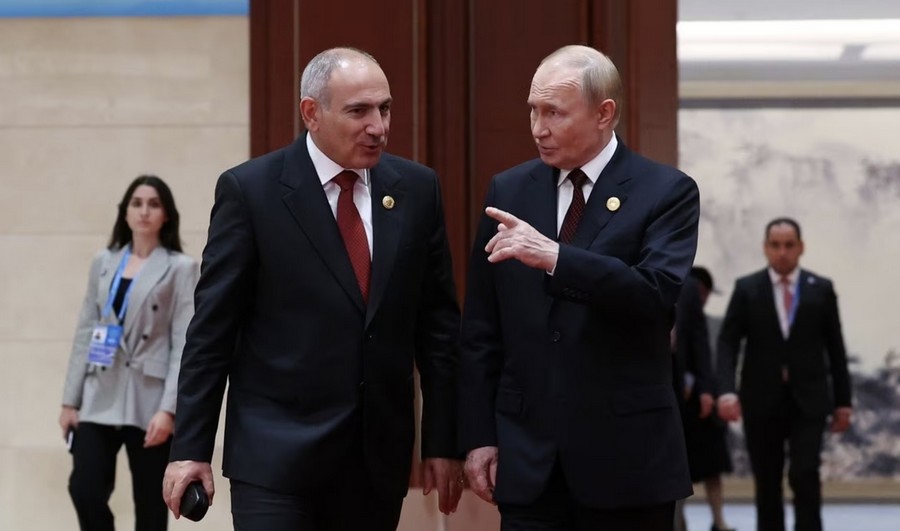
Putin's hand and Pashinyan's back: a "life and death" impasse
Aravot / 53 minutes ago
Related coverage

The school is corrupt from top to bottom.
Noyan Tapan TV / 9 hours ago
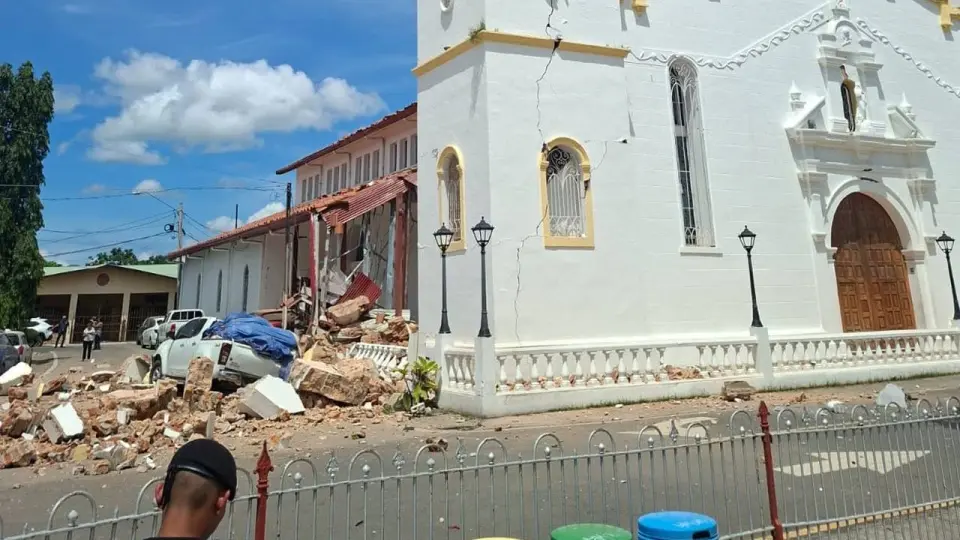
Schools closed after earthquake in Panama
Shant News / 10 hours ago
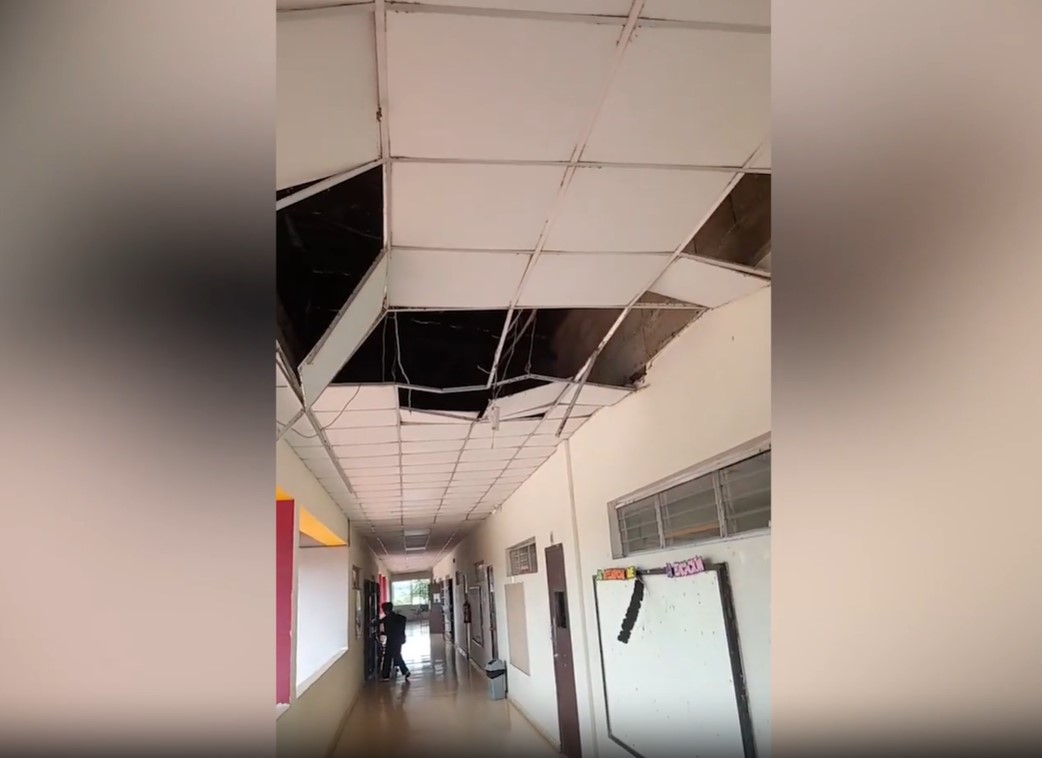
A new 6.0 magnitude aftershock has been recorded off the coast of Panama after a 7.6 magnitude earthquake.
Shant News / 11 hours ago

News 21:00 | Firebird AI targeted by Russian disinformation: what worries Moscow
Public Television of Armenia — 1Lurer / 12 hours ago