Showing in English.
3 full-article translations/day — headlines & summaries always free. Create free account for 25/day
The memory of peace
Խաղաղության հիշողությունը
On September 25, the American The National Interest, authored by Stefan Pecdimalji, addressed the fate of Artsakh's Armenian cultural heritage.
Սեպտեմբերի 25-ին ամերիկյան The National Interest-ը Ստեֆան Պեչդիմալջիի հեղինակությամբ անդրադարձել է Արցախի հայկական մշակութային ժառանգության ճակատագրին։
The focus of the article is clearly...
Հոդվածի առանցքում հստակ …
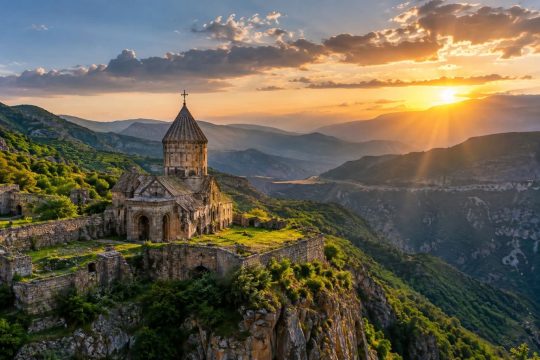
On September 25, the American The National Interest, under the authorship of Stefan Pecdimalji, addressed the fate of the Armenian cultural heritage of Artsakh. The article’s core is a clear assertion: the author views the “Caucasian Albanian” attribution of Gandzasar, Dadivank, and other Armenian monuments as a state policy of reshaping historical memory, the impact of which goes beyond the scope of cultural heritage and also relates to the possibility of long-term reconciliation between Armenia and Azerbaijan.
Սեպտեմբերի 25-ին ամերիկյան The National Interest-ը Ստեֆան Պեչդիմալջիի հեղինակությամբ անդրադարձել է Արցախի հայկական մշակութային ժառանգության ճակատագրին։ Հոդվածի առանցքում հստակ մի պնդում է՝ Գանձասարի, Դադիվանքի և մյուս հայկական հուշարձանների «կովկասյան ալբանական» վերագրումը հեղինակը դիտարկում է որպես պատմական հիշողության վերաձևավորման պետական քաղաքականություն, որի ազդեցությունը դուրս է գալիս մշակութային ժառանգության շրջանակից և առնչվում է նաև Հայաստան–Ադրբեջան երկարաժամկետ հաշտեցման հնարավորությանը։
The timing of the article’s publication is telling in itself. The international agenda around the South Caucasus today is focused on demarcation, unblocking communications, TRIPP, trade, energy ties, and investments. The future of the region is increasingly being formulated in the language of roads, markets, and connectivity. This agenda may provide a material basis for peace, but it cannot independently solve the problems of historical memory, identity, and mutual recognition. Peace is a broader construct than infrastructure.
Հոդվածի հրապարակման պահն ինքնին խոսուն է։ Հարավային Կովկասի շուրջ միջազգային օրակարգն այսօր կենտրոնացած է սահմանազատման, հաղորդակցությունների ապաշրջափակման, TRIPP-ի, առևտրի, էներգետիկ կապերի և ներդրումների վրա։ Տարածաշրջանի ապագան ավելի ու ավելի է ձևակերպվում ճանապարհների, շուկաների և փոխկապակցվածության լեզվով։ Այդ օրակարգը կարող է խաղաղությանը տալ նյութական հիմք, սակայն չի կարող ինքնուրույն լուծել պատմական հիշողության, ինքնության և փոխադարձ ճանաչման խնդիրները։ Խաղաղությունը ենթակառուցվածքներից ավելի լայն կառուցվածք է։
Building a road is a technical task, restoring trust is a long political and psychological process. On this path, the state’s attitude towards historical memory becomes one of the most sensitive indicators of the depth of reconciliation.
Ճանապարհի կառուցումը տեխնիկական խնդիր է, վստահության վերականգնումը՝ քաղաքական և հոգեբանական երկար գործընթաց։ Այդ ճանապարհին պատմական հիշողության նկատմամբ պետական վերաբերմունքը դառնում է հաշտեցման խորության ամենազգայուն չափիչներից մեկը։
The publication in The National Interest takes the topic out of the narrow scope of cultural heritage and moves it into the field of political foundations of reconciliation. The author refers to recent visits organized for foreign diplomats and expert circles in Karabakh, during which Armenian churches and monasteries were presented as “Caucasian Albanian” heritage. On these factual episodes, he builds a broader conclusion: the state’s reshaping of historical memory can also become a structural problem for future reconciliation. This distinction is important. But the essence of the problem does not diminish from this.
The National Interest-ի հրապարակումը թեման դուրս է բերում մշակութային ժառանգության նեղ շրջանակից և տեղափոխում հաշտեցման քաղաքական հիմքերի դաշտ։ Հեղինակը վկայակոչում է Ղարաբաղում օտարերկրյա դիվանագետների ու փորձագիտական շրջանակների համար կազմակերպված վերջին այցելությունները, որոնց ընթացքում հայկական եկեղեցիներն ու վանքերը ներկայացվել են որպես «կովկասյան ալբանական» ժառանգություն։ Այս փաստական դրվագների վրա նա կառուցում է ավելի լայն եզրահանգում՝ պատմական հիշողության պետական վերաձևավորումը կարող է վերածվել նաև ապագա հաշտեցման կառուցվածքային խնդրի։Այդ տարբերակումը կարևոր է։ Բայց խնդրի էությունը դրանից չի փոքրանում։
A monument is not only a cultural asset. It is a material evidence of historical presence, a support for community memory, and sometimes also the last preserved evidence of a legal and moral connection with the homeland.
Հուշարձանը միայն մշակութային արժեք չէ։ Այն պատմական ներկայության նյութական վկայություն է, համայնքային հիշողության հենարան և երբեմն նաև հայրենիքի հետ իրավական ու բարոյական կապի վերջին պահպանված ապացույցը։
When traces of a people’s historical presence are erased or reinterpreted, the issue is no longer just about cultural heritage. The historical image of the territory also changes, and with it the perception of the political right to memory, belonging, and return.
Երբ ժողովրդի պատմական ներկայության հետքերը վերացվում կամ վերաիմաստավորվում են, հարցն այլևս միայն մշակութային ժառանգությանը չի վերաբերում։ Փոխվում է նաև տարածքի պատմական պատկերը, իսկ դրա հետ՝ հիշողության, պատկանելության և վերադարձի շուրջ քաղաքական իրավունքի ընկալումը։
Pechdimalji links this policy to the prospect of the return of forcibly displaced Armenians. He places the formulation of “Western Azerbaijan” in the same historical-political framework as an attempt to reframe the memory and belonging of the territory.
Պեչդիմալջին այս քաղաքականությունը կապում է բռնի տեղահանված հայերի վերադարձի հեռանկարի հետ։ «Արևմտյան Ադրբեջան» ձևակերպումն էլ նա տեղավորում է նույն պատմաքաղաքական շրջանակում՝ որպես տարածքի հիշողությունն ու պատկանելությունը վերաձևակերպելու փորձ։
This problem is not new. The most difficult struggle after a conflict is often no longer over territory, but over the meaning of the past. The sustainability of reconciliation depends largely on the extent to which former adversaries are willing to accept each other’s historical presence and right to memory.
Այս խնդիրը նոր չէ։ Հակամարտությունից հետո ամենաբարդ պայքարը հաճախ այլևս տարածքի համար չէ, այլ անցյալի իմաստի։ Հաշտեցման կայունությունը մեծապես կախված է նրանից, թե նախկին հակառակորդները որքանով են պատրաստ ընդունել միմյանց պատմական ներկայությունն ու հիշողության իրավունքը։
Armenia-Azerbaijan peace can be strengthened by economic interdependence. Transport connections, energy links, border trade, and investments raise the price of a new conflict and create a wider field of mutual interests.
Հայաստան–Ադրբեջան խաղաղությունը կարող է ամրանալ տնտեսական փոխկապակցվածությամբ։ Տրանսպորտային հաղորդակցությունները, էներգետիկ կապերը, սահմանային առևտուրը և ներդրումները բարձրացնում են նոր հակամարտության գինը և ստեղծում փոխադարձ շահերի ավելի լայն դաշտ։
However, economic interdependence does not solve the issues of historical memory and identity. Gandzasar and Dadivank are material evidence of the historical presence of the region. State policy around their identity inevitably affects the depth and stability of reconciliation.
Սակայն տնտեսական փոխկախվածությունը չի լուծում պատմական հիշողության ու ինքնության հարցերը։ Գանձասարը և Դադիվանքը տարածաշրջանի պատմական ներկայության նյութական վկայություններ են։ Դրանց ինքնության շուրջ պետական քաղաքականությունն անխուսափելիորեն ազդում է նաև հաշտեցման խորության ու կայունության վրա։
In this context, the issue of the Armenian side must be formulated more clearly and at the state level. The protection of Artsakh’s cultural heritage must become part of a consistent state policy, enshrined in international legal mechanisms and continuous diplomatic work. It must receive a clear diplomatic and legal structure, with international monitoring, independent professional access, systematic documentation and mandatory protection mechanisms in future agreements.
Այս համատեքստում հայկական կողմի խնդիրը պետք է ձևակերպվի առավել հստակ ու պետական մակարդակով։ Արցախի մշակութային ժառանգության պաշտպանությունը պետք է դառնա պետական հետևողական քաղաքականության մաս՝ ամրագրված միջազգային իրավական մեխանիզմներով և շարունակական դիվանագիտական աշխատանքով։ Այն պետք է ստանա դիվանագիտական ու իրավական հստակ կառուցվածք՝ միջազգային մշտադիտարկմամբ, անկախ մասնագիտական մուտքով, համակարգված փաստաթղթավորմամբ և ապագա պայմանավորվածություններում պարտադիր պաշտպանության մեխանիզմներով։
Access to UNESCO, international church structures, historians, archaeologists and conservation specialists is of key importance here. The photograph, the inscription, the digitized archive and the architectural measurement create the factual basis on which legal and political protection is then built.
UNESCO-ի, միջազգային եկեղեցական կառույցների, պատմաբանների, հնագետների և պահպանության մասնագետների հասանելիությունն այստեղ առանցքային նշանակություն ունի։ Լուսանկարը, արձանագրությունը, թվայնացված արխիվը և ճարտարապետական չափագրումը ստեղծում են այն փաստական հիմքը, որի վրա հետո կառուցվում է նաև իրավական ու քաղաքական պաշտպանությունը։
The publication platform of The National Interest is significant in itself. The issue of Artsakh’s cultural heritage is once again at the center of American foreign policy debate at a time when the future of the South Caucasus is increasingly viewed in Washington and European capitals in the context of communications, investments, and regional stability.
The National Interest-ի հրապարակման հարթակն ինքնին նշանակալի է։ Արցախի մշակութային ժառանգության հարցը կրկին հայտնվում է ամերիկյան արտաքին քաղաքական քննարկման կենտրոնում այն փուլում, երբ Հարավային Կովկասի ապագան Վաշինգտոնում և եվրոպական մայրաքաղաքներում ավելի ու ավելի է դիտարկվում հաղորդակցությունների, ներդրումների և տարածաշրջանային կայունության համատեքստում։
The main problem lies in the internal logic of reconciliation. New roads, railways, trade, and investments can strengthen the material basis of peace, but the erasure and renaming of historical presences undermine its political and moral underpinnings. The attitude toward cultural heritage is therefore one of the most sensitive indicators of the depth of peace. Peace needs a material basis. It needs historical responsibility just as much.
Հիմնական խնդիրը հաշտեցման ներքին տրամաբանության մեջ է։ Նոր ճանապարհները, երկաթուղին, առևտուրն ու ներդրումները կարող են ամրացնել խաղաղության նյութական հիմքը, սակայն պատմական ներկայության ջնջումն ու վերանվանումը քայքայում են դրա քաղաքական ու բարոյական հենարանը։ Մշակութային ժառանգության նկատմամբ վերաբերմունքը հենց այդ պատճառով դառնում է խաղաղության խորության ամենազգայուն չափիչներից մեկը։Խաղաղությանը անհրաժեշտ է նյութական հիմք։ Նրան նույնքան անհրաժեշտ է պատմական պատասխանատվություն։
Comments
No comments yet — be the first to comment.
More from 1in.am

AI and gender inequality: solutions or new risks?
1in.am / 7 hours ago
It's time for announcements in the National Assembly.
1in.am / 8 hours ago

The process of diminishing Russian influence in Armenia and the South Caucasus has significantly accelerated.
1in.am / 8 hours ago
Mirzoyan's visit to Iran aims to develop bilateral relations
1in.am / 8 hours ago
Related coverage
LIVE: National Assembly session, MPs' briefings
Aysor.am / 1 hour ago
NA Speaker Ruben Rubinyan's briefing: LIVE
Aravot / 1 hour ago
LIVE: Rubinyan answers journalists' questions after the NA scuffle
ArmLur / Zhoghovurd / 1 hour ago

Azerbaijani infiltrated Armenia, CP changes the agenda: heated discussions in the National Assembly #live
Pastinfo / 1 hour ago