Showing in English.
5 full-article translations/day — headlines & summaries always free. Create free account for 25/day
The war of miscalculations
Սխալ հաշվարկների պատերազմը
On the morning of September 27, 2020, at around 7
2020 թվականի սեպտեմբերի 27-ի առավոտյան, ժամը 7-ի սահմաններում, Արցախի ողջ շփման գիծը միաժամանակ բռնկվեց։
, the entire line of contact in Artsakh erupted simultaneously.
Առաջին իսկ ժամերին կիրառված ուժի …
In the very first hours, the force used…
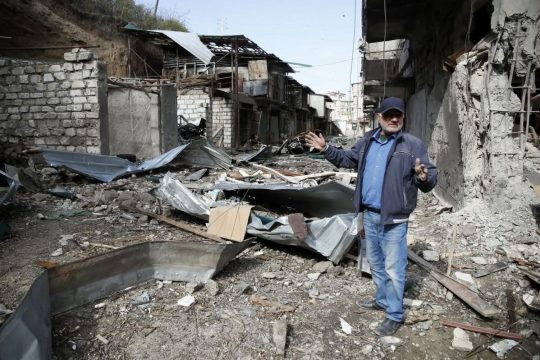
On the morning of September 27, 2020, at around 7 a.m., the entire line of contact in Artsakh erupted simultaneously. The scale of the force used and the depth of the strikes in the very first hours showed that a pre-planned large-scale war had begun. Artillery, missile systems, drones, armored vehicles, and aviation were deployed across the entire front; settlements were also under attack. Armenia and Artsakh declared martial law and mobilized troops.
2020 թվականի սեպտեմբերի 27-ի առավոտյան, ժամը 7-ի սահմաններում, Արցախի ողջ շփման գիծը միաժամանակ բռնկվեց։ Առաջին իսկ ժամերին կիրառված ուժի ծավալն ու հարվածների խորությունը ցույց տվեցին, որ սկսվել է նախապես ծրագրված լայնածավալ պատերազմ։ Հրետանին, հրթիռային համակարգերը, անօդաչուները, զրահատեխնիկան ու ավիացիան գործի էին դրվել ամբողջ ճակատով․ հարվածների տակ հայտնվել էին նաև բնակավայրերը։ Հայաստանը և Արցախը հայտարարեցին ռազմական դրություն ու զորահավաք։
That morning, it was still impossible to imagine the full extent of the human and territorial losses in the coming forty-four days. However, the prerequisites for war had long been accumulating: the negotiation process was deadlocked, the balance of power had changed, and diplomatic deterrence mechanisms had weakened. In Baku’s calculations, the use of force gradually became an acceptable tool for achieving political goals. Azerbaijan’s growing military spending, energy-fueled armaments, and Turkey’s deepening involvement gradually shifted the balance of power, making the use of force a more realistic political calculation. The 2020 war was the explosion of this accumulated imbalance.
Այդ առավոտ դեռ անհնար էր պատկերացնել առաջիկա քառասունչորս օրերի մարդկային ու տարածքային կորուստների ամբողջ ծավալը։ Պատերազմի նախադրյալները, սակայն, վաղուց էին կուտակվում․ բանակցային գործընթացը փակուղում էր, ուժերի հարաբերակցությունը փոխվել էր, իսկ դիվանագիտական զսպման մեխանիզմները՝ թուլացել։ Բաքվի հաշվարկներում ուժի կիրառումն աստիճանաբար դարձավ քաղաքական նպատակների հասնելու ընդունելի գործիք։ Ադրբեջանի ռազմական ծախսերի աճը, էներգետիկ եկամուտներով սնվող սպառազինումը և Թուրքիայի խորացող ներգրավվածությունը աստիճանաբար փոխում էին ուժերի հավասարակշռությունը՝ ուժի կիրառումը դարձնելով առավել իրատեսական քաղաքական հաշվարկ։ 2020-ի պատերազմը հենց այդ կուտակված անհավասարակշռության պայթյունն էր։
Turkey’s involvement also gave the war a new regional dimension. Ankara supported Baku on the political and military levels, and international sources later recorded numerous reports of the involvement of Syrian fighters, with claims of Turkish support. The OSCE Minsk Group co-chairs warned of the danger of external actors being drawn into the conflict in the early days of the war. Thus, the conflict was no longer just an Armenian-Azerbaijani military clash; it was turning into a broader regional power confrontation.
Թուրքիայի ներգրավվածությունը պատերազմին տվեց նաև նոր տարածաշրջանային չափում։ Անկարան Բաքվին աջակցում էր քաղաքական և ռազմական մակարդակներում, իսկ միջազգային աղբյուրները հետագայում արձանագրեցին սիրիացի մարտիկների ներգրավման մասին բազմաթիվ հաղորդումներ՝ Թուրքիայի աջակցության վերաբերյալ պնդումներով։ ԵԱՀԿ Մինսկի խմբի համանախագահներն արդեն պատերազմի առաջին օրերին զգուշացնում էին արտաքին դերակատարների ներգրավման վտանգի մասին։ Այսպիսով, հակամարտությունն այլևս միայն հայ-ադրբեջանական ռազմական բախում չէր․ այն վերածվում էր ավելի լայն տարածաշրջանային ուժային առճակատման։
In retrospect, one of the most difficult questions of the war remains open: could it have been stopped sooner?
Հետադարձ հայացքով պատերազմի ամենածանր հարցերից մեկը շարունակում է մնալ բաց՝ հնարավո՞ր էր այն կանգնեցնել ավելի շուտ։
According to subsequent publications by the Russian side, a ceasefire option was discussed on October 19–20, on which the parties came significantly closer to an agreement. Vladimir Putin later announced that Aliyev was ready to stop hostilities on certain conditions, including the return of Azerbaijani refugees to Shushi. According to him, the city should have remained under Armenian control, and security would be ensured by Russian peacekeepers. Yerevan did not accept this option.
Ռուսական կողմի հետագա հրապարակումների համաձայն՝ հոկտեմբերի 19–20-ին քննարկվել է հրադադարի տարբերակ, որի շուրջ կողմերը զգալիորեն մոտեցել էին համաձայնության։ Վլադիմիր Պուտինը ավելի ուշ հայտարարել է, որ Ալիևը պատրաստ էր դադարեցնել ռազմական գործողությունները որոշ պայմաններով, այդ թվում՝ ադրբեջանցի փախստականների վերադարձով Շուշի։ Նրա ներկայացմամբ՝ քաղաքը պետք է մնար հայկական վերահսկողության տակ, իսկ անվտանգությունը ապահովեին ռուս խաղաղապահները։ Երևանը այդ տարբերակը չընդունեց։
This episode shows one of the most cruel patterns of war. Negotiation opportunities quickly narrow during the war, and each military turn changes the price of the next agreement. Over time, diplomacy loses the initiative, and conditions begin to dictate the battlefield.
Այս դրվագը ցույց է տալիս պատերազմի ամենադաժան օրինաչափություններից մեկը։ Բանակցային հնարավորությունները պատերազմի ընթացքում արագորեն նեղանում են, իսկ յուրաքանչյուր ռազմական շրջադարձ փոխում է հաջորդ համաձայնության գինը։ Ժամանակի հետ դիվանագիտությունը կորցնում է նախաձեռնությունը, և պայմանները սկսում է թելադրել ռազմաճակատը։
Pashinyan later presented a different content of this proposal. According to him, it included the transfer of regions, conditions around Shushi, and a special regime of communication through Meghri, which he considered unacceptable for the sovereignty of Armenia.
Փաշինյանը հետագայում ներկայացրեց այդ առաջարկի այլ բովանդակություն։ Նրա խոսքով՝ այն ներառում էր շրջանների հանձնում, Շուշիի շուրջ պայմաններ և Մեղրիով հաղորդակցության հատուկ ռեժիմ, որը նա համարել էր Հայաստանի ինքնիշխանության համար անընդունելի։
The biggest loss was time. While the negotiations dragged on, the balance of power was changing, and the range of solutions acceptable to Armenia was gradually narrowing.
Ամենամեծ կորուստը ժամանակն էր։ Մինչ բանակցությունները ձգձգվում էին, ուժերի հարաբերակցությունը փոխվում էր, և Հայաստանի համար ընդունելի լուծումների շրջանակը աստիճանաբար նեղանում էր։
Here is one of the main lessons of the war.
Այստեղ պատերազմի գլխավոր դասերից մեկն է։
The status quo is never a free situation. Time passes, and over time the balance of power can completely change. A diplomatic solution may seem politically difficult today, and years later the same problem may return under war conditions and at a much higher price.
Ստատուս քվոն երբեք անվճար վիճակ չէ։ Այն ժամանակ է գնում, և ժամանակի ընթացքում ուժերի հարաբերակցությունը կարող է ամբողջությամբ փոխվել։ Դիվանագիտական լուծումը կարող է քաղաքականապես ծանր թվալ այսօր, իսկ տարիներ անց նույն խնդիրը կարող է վերադառնալ պատերազմի պայմաններով և շատ ավելի բարձր գնով։
In early November, that price was already being determined on the battlefield. After the fall of Shushi, the situation became extremely difficult for the Armenian side. On the night of November 9-10, Armenia, Azerbaijan, and Russia signed a declaration ceasing hostilities. The sides remained in their occupied positions, Kelbajar and Lachin were transferred to Azerbaijan, and about two thousand Russian peacekeepers were deployed in the Lachin corridor and along the Artsakh contact line.
Նոյեմբերի սկզբին այդ գինը արդեն ռազմաճակատում էր որոշվում։ Շուշիի անկումից հետո իրավիճակը հայկական կողմի համար դարձավ ծայրահեղ ծանր։ Նոյեմբերի 9-ի լույս 10-ի գիշերը Հայաստանը, Ադրբեջանը և Ռուսաստանը ստորագրեցին ռազմական գործողությունները դադարեցնող հայտարարությունը։ Կողմերը մնացին զբաղեցրած դիրքերում, Քելբաջարը և Լաչինը փոխանցվեցին Ադրբեջանին, Լաչինի միջանցքում և Արցախի շփման գծի երկայնքով տեղակայվեց շուրջ երկու հազար ռուս խաղաղապահ։
Over the course of forty-four days, Armenia and Artsakh lost thousands of lives, vast territories, and the entire former security system. Shushi and Hadrut came under Azerbaijani control. After the war, the balance of power in the South Caucasus fundamentally changed.
Քառասունչորս օրերի ընթացքում Հայաստանը և Արցախը կորցրին հազարավոր կյանքեր, հսկայական տարածքներ և անվտանգության ամբողջ նախկին համակարգը։ Շուշին ու Հադրութը անցան Ադրբեջանի վերահսկողության տակ։ Պատերազմից հետո Հարավային Կովկասի ուժային հարաբերակցությունը հիմնովին փոխվեց։
September 27 is therefore not just a day of remembrance. It is a test of state thinking.
Սեպտեմբերի 27-ը այդ պատճառով միայն հիշատակի օր չէ։ Այն պետական մտածողության քննություն է։
Wars often begin with miscalculations accumulated over the years: underestimating the enemy’s capabilities, overestimating one’s own resources, losing the value of diplomatic time, and considering the security system immutable.
Պատերազմները հաճախ սկսվում են տարիների ընթացքում կուտակված սխալ հաշվարկներից՝ հակառակորդի հնարավորությունների թերագնահատումից, սեփական ռեսուրսների չափազանցված պատկերացումից, դիվանագիտական ժամանակի արժեքը կորցնելուց և անվտանգության համակարգը անփոփոխ համարելուց։
The forty-four days of 2020 showed their price.
2020-ի քառասունչորս օրերը ցույց տվեցին դրանց գինը։
Memory has value only when it becomes state knowledge: a sober assessment of the balance of power, an effective army, functioning diplomacy, reliable partnerships, and the ability to recognize danger in time.
Հիշողությունը արժեք ունի միայն այն դեպքում, երբ այն դառնում է պետական գիտելիք՝ ուժերի հարաբերակցության սթափ գնահատում, արդյունավետ բանակ, գործող դիվանագիտություն, վստահելի գործընկերություններ և վտանգը ժամանակին ճանաչելու կարողություն։
The heaviest legacy of September 27 is precisely this: when politics does not resolve the conflict in time, time can transfer it to the front.
Սեպտեմբերի 27-ի ամենածանր ժառանգությունը հենց սա է՝ երբ քաղաքականությունը ժամանակին չի լուծում հակամարտությունը, ժամանակը կարող է այն փոխանցել ռազմաճակատին։
Here are the main lessons of war. The status quo is not stability, but a temporary balance. During this time, the balance of power, the external environment, and the political price of the conflict are changing. A difficult solution that is not accepted today may return with worse conditions over time.
Այստեղ են պատերազմի հիմնական դասերը։ Ստատուս քվոն կայունություն չէ, այլ ժամանակավոր հավասարակշռություն։ Այդ ընթացքում փոխվում են ուժերի հարաբերակցությունը, արտաքին միջավայրը և հակամարտության քաղաքական գինը։ Այսօր չընդունված դժվար լուծումը ժամանակի ընթացքում կարող է վերադառնալ արդեն ավելի վատ պայմաններով։
In November 2020, the conditions were already dictated by the front. After the fall of Shushi, the positions of the Armenian side weakened sharply, and on the night of November 9-10, Armenia, Azerbaijan, and Russia signed a statement ceasing hostilities. The sides maintained their occupied positions, Kelbajar and Lachin were transferred to Azerbaijan, and Russian peacekeepers were deployed in the Lachin corridor and along the Artsakh contact line. From that moment on, the war stopped, but the entire political and security structure of the region entered a new phase.
2020-ի նոյեմբերին պայմաններն արդեն թելադրում էր ռազմաճակատը։ Շուշիի անկումից հետո հայկական կողմի դիրքերը կտրուկ թուլացան, և նոյեմբերի 9-ի լույս 10-ի գիշերը Հայաստանը, Ադրբեջանը և Ռուսաստանը ստորագրեցին ռազմական գործողությունները դադարեցնող հայտարարությունը։ Կողմերը պահպանեցին իրենց զբաղեցրած դիրքերը, Քելբաջարն ու Լաչինը փոխանցվեցին Ադրբեջանին, իսկ Լաչինի միջանցքում և Արցախի շփման գծի երկայնքով տեղակայվեցին ռուս խաղաղապահներ։ Այդ պահից պատերազմը դադարեց, բայց տարածաշրջանի քաղաքական ու անվտանգության ամբողջ կառուցվածքը մտավ նոր փուլ։
Forty-four days cost Armenia and Artsakh thousands of lives, heavy territorial losses, and the collapse of the previous security system. Shushi and Hadrut came under Azerbaijani control. The balance of power in the South Caucasus changed fundamentally.
Քառասունչորս օրը Հայաստանին և Արցախին արժեցավ հազարավոր կյանքեր, տարածքային ծանր կորուստներ և անվտանգության նախկին համակարգի փլուզում։ Շուշին ու Հադրութը անցան Ադրբեջանի վերահսկողության տակ։ Հարավային Կովկասի ուժային հավասարակշռությունը փոխվեց հիմնովին։
September 27 is more than a day to remember; it is a test of a state’s strategic maturity.
Սեպտեմբերի 27-ը հիշողության օրից ավելի է․ այն պետության ռազմավարական հասունության քննությունն է։
War usually ripens much earlier, due to years of accumulated miscalculations. Underestimation of the enemy’s strength, overestimation of one’s own capabilities, loss of diplomatic time, and late assessment of the changing security environment ultimately manifest themselves on the battlefield. The 2020 war was the most serious consequence of these accumulated mistakes.
Պատերազմը սովորաբար հասունանում է շատ ավելի վաղ՝ տարիներով կուտակված սխալ հաշվարկների պատճառով։ Հակառակորդի ուժի թերագնահատումը, սեփական հնարավորությունների գերագնահատումը, դիվանագիտական ժամանակի կորուստը և անվտանգության միջավայրի փոփոխությունը ուշ գնահատելը ի վերջո արտահայտվում են ռազմաճակատում։ 2020-ի պատերազմը այդ կուտակված սխալների ամենածանր հետևանքն էր։
Memory acquires meaning only when it is transformed into strategic knowledge: a sober assessment of the balance of power, an effective army, effective diplomacy, reliable partnerships, and the ability to recognize danger in time.
Հիշողությունը իմաստ է ստանում միայն այն ժամանակ, երբ վերածվում է ռազմավարական գիտելիքի՝ ուժերի հարաբերակցության սթափ գնահատման, արդյունավետ բանակի, գործուն դիվանագիտության, վստահելի գործընկերությունների և վտանգը ժամանակին ճանաչելու կարողության։
The main lesson of September 27 is this: an unresolved conflict changes its conditions over time, and the loss of political initiative gradually shifts the center of decision-making to the battlefield.
Սեպտեմբերի 27-ի հիմնական դասը սա է․ չլուծված հակամարտությունը ժամանակի հետ փոխում է իր պայմանները, իսկ քաղաքական նախաձեռնության կորուստը որոշումների կենտրոնը աստիճանաբար տեղափոխում է ռազմաճակատ։
Comments
No comments yet — be the first to comment.
More from 1in.am
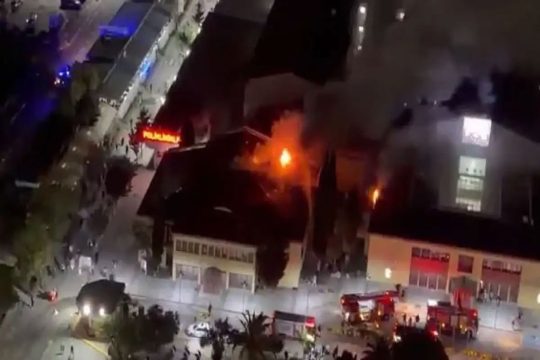
Patients evacuated after fire breaks out at Istanbul hospital
1in.am / 4 hours ago

Presentation of the "World Trade Center Yerevan" project: Pashinyan
1in.am / 5 hours ago
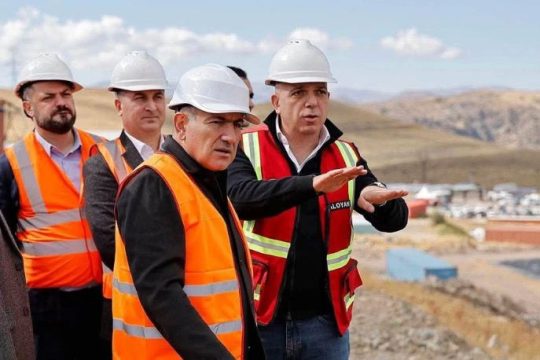
The Amulsar project will have a positive impact of 1.5-2% on Armenia's GDP. Buy Sanosyan
1in.am / 5 hours ago
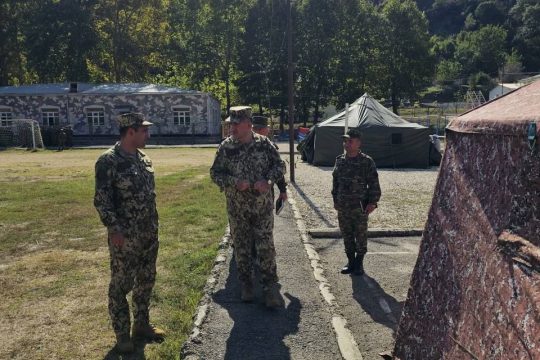
Edward Asryan visited military units, field training sites and monitored the organization of the service
1in.am / 6 hours ago
Related coverage

The wealthy donors of the CP
Infocom / 5 hours ago

Asatryan: Iran could strike TRIPP if… A three-day bombing campaign won't help the US
168 Jham / 5 hours ago
It's very interesting, where are the defenders who are "blocking" Amulsar now? Badalyan
168 Jham / 5 hours ago

The requirement to preach the ideology of the Communist Party in schools is an indicator of a lack of legitimacy. Vladimir Martirosyan
Aravot / 6 hours ago