Showing in English.
5 full-article translations/day — headlines & summaries always free. Create free account for 25/day
The architecture of irreversibility
Անշրջելիության ճարտարապետությունը
One of the most difficult foreign policy formulations of Nikol Pashinyan's UN speech was just two sentences about Russia.
Նիկոլ Փաշինյանի ՄԱԿ-ի ելույթի ամենածանր արտաքին քաղաքական ձևակերպումներից մեկը Ռուսաստանի մասին ընդամենը երկու նախադասություն էր։
Armenian-Russian relations are at …
Հայ–ռուսական հարաբերությունները գտնվում են …
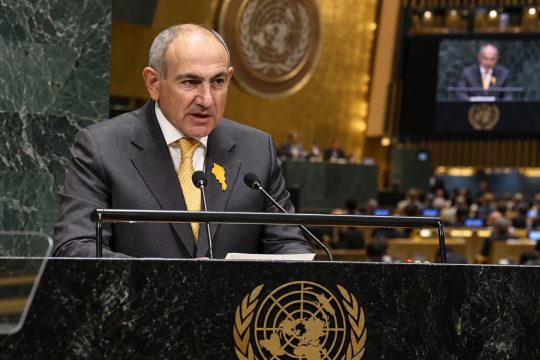
One of the most weighty foreign policy formulations of Nikol Pashinyan’s UN speech was just two sentences about Russia. Armenian-Russian relations are in a “transformation phase,” and the Prime Minister linked this change to the end of the Armenia-Azerbaijan conflict. According to him, in peacetime, relations will naturally change and should develop on the basis of friendship and mutual respect.
Նիկոլ Փաշինյանի ՄԱԿ-ի ելույթի ամենածանր արտաքին քաղաքական ձևակերպումներից մեկը Ռուսաստանի մասին ընդամենը երկու նախադասություն էր։ Հայ–ռուսական հարաբերությունները գտնվում են «տրանսֆորմացիայի փուլում», իսկ այդ փոփոխությունը վարչապետը կապեց Հայաստան–Ադրբեջան հակամարտության ավարտի հետ։ Նրա խոսքով՝ խաղաղության պայմաններում հարաբերությունները բնականորեն փոխվելու են և պետք է զարգանան բարեկամության ու փոխադարձ հարգանքի հիմքով։
The weight of this formulation also stems from the environment in which it was uttered. From the UN rostrum, Armenia presented a new foreign policy structure: multi-centered, multi-layered, and developing in several directions simultaneously. The US, the EU, France, Germany, China, Great Britain, and regional partners are placed in the same system, while the settlement with Turkey and relations with Iran and Georgia acquire separate strategic significance. On this map, Russia retains its importance, but loses its former exclusive position. Armenian foreign policy is gradually being built on interconnected pillars, and it is this change that gives the word “transformation” its real political content. It is this placement that gives the statement political weight.
Այս ձևակերպման կշիռը բխում է նաև այն միջավայրից, որում այն հնչեց։ ՄԱԿ-ի ամբիոնից Հայաստանը ներկայացրեց արտաքին քաղաքական նոր կառուցվածքը՝ բազմակենտրոն, բազմաշերտ և մի քանի ուղղություններով միաժամանակ զարգացող։ ԱՄՆ-ը, ԵՄ-ը, Ֆրանսիան, Գերմանիան, Չինաստանը, Մեծ Բրիտանիան և տարածաշրջանային գործընկերները տեղավորվում են նույն համակարգում, իսկ Թուրքիայի հետ կարգավորումն ու Իրանի և Վրաստանի հետ հարաբերությունները ստանում են առանձին ռազմավարական նշանակություն։ Այս քարտեզում Ռուսաստանը պահպանում է իր կարևորությունը, սակայն կորցնում է նախկին բացառիկ դիրքը։ Հայկական արտաքին քաղաքականությունը աստիճանաբար կառուցվում է փոխկապակցված հենարանների վրա, և հենց այդ փոփոխությունն է «տրանսֆորմացիա» բառին տալիս իր իրական քաղաքական բովանդակությունը։Հենց այս տեղադրումն է հայտարարությանը քաղաքական կշիռ տալիս։
In the early 1990s, Armenia’s security architecture was being formed in conditions of war, a closed Turkish border, a blockade, and limited state capabilities. In that environment, the Russian direction became the main pillar of the system. The 1997 Treaty of Friendship, Cooperation, and Mutual Assistance gave legal form to that dependence, and in subsequent years it was reinforced by a military presence, border security mechanisms, and economic integration. Thus, a structure was formed within which Russia had not just an important, but a structural role in Armenia’s foreign and security system.
1990-ականների սկզբին Հայաստանի անվտանգության ճարտարապետությունը ձևավորվում էր պատերազմի, փակ թուրքական սահմանի, շրջափակման և սահմանափակ պետական կարողությունների պայմաններում։ Այդ միջավայրում ռուսական ուղղությունը դարձավ համակարգի հիմնական հենարանը։ 1997 թվականի Բարեկամության, համագործակցության և փոխադարձ օգնության պայմանագիրը այդ կախվածությանը տվեց իրավական ձև, իսկ հետագա տարիներին այն ամրապնդվեց ռազմական ներկայությամբ, սահմանային անվտանգության մեխանիզմներով և տնտեսական ինտեգրմամբ։ Այսպիսով ձևավորվեց մի կառուցվածք, որի ներսում Ռուսաստանը Հայաստանի արտաքին և անվտանգային համակարգում ուներ ոչ պարզապես կարևոր, այլ կառուցակարգային դեր։
That system was born from a specific historical environment, and now the logic of that environment is changing. Pashinyan’s UN formulation is important because Yerevan no longer considers the conditions underlying the previous security structure as unchanged. Peace with Azerbaijan, progress in the settlement with Turkey, diversification of foreign relations and opening of communications are gradually reshaping Armenia’s strategic environment. Along with this, the basis of the necessity and exclusivity of the previous system is also being reconsidered.
Այդ համակարգը ծնվել էր կոնկրետ պատմական միջավայրից, և հիմա փոխվում է հենց այդ միջավայրի տրամաբանությունը։ Փաշինյանի ՄԱԿ-ի ձևակերպումը կարևոր է այն պատճառով, որ Երևանը այլևս նախորդ անվտանգության կառուցվածքի հիմքում եղած պայմանները չի դիտարկում որպես անփոփոխ։ Ադրբեջանի հետ խաղաղությունը, Թուրքիայի հետ կարգավորման առաջխաղացումը, արտաքին կապերի բազմազանեցումը և հաղորդակցությունների բացումը աստիճանաբար վերաձևում են Հայաստանի ռազմավարական միջավայրը։ Դրա հետ միասին վերանայվում է նաև նախկին համակարգի անհրաժեշտության ու բացառիկության հիմքը։
The foreign policy turnaround is not consolidated by a declaration. It gains strength when it turns into a long-term system of contracts, infrastructure, investments, new markets and mutual interests. Armenia is now building this very material basis. Each new connection increases the freedom of choice and at the same time increases the price of return. Thus, the political direction gradually becomes a structural reality.
Արտաքին քաղաքականության շրջադարձը հայտարարությամբ չի ամրապնդվում։ Այն ուժ է ստանում այն պահին, երբ վերածվում է պայմանագրերի, ենթակառուցվածքների, ներդրումների, նոր շուկաների և փոխադարձ շահերի երկարաժամկետ համակարգի։ Հայաստանը հիմա հենց այդ նյութական հիմքն է կառուցում։ Յուրաքանչյուր նոր կապ մեծացնում է ընտրության ազատությունը և միաժամանակ բարձրացնում վերադարձի գինը։ Այդպես քաղաքական ուղղությունը աստիճանաբար դառնում է կառուցվածքային իրողություն։
The Washington peace process is the most tangible example of this structural change. TRIPP moves the Armenia-US relationship to a long-term institutional and infrastructural dimension. The planned joint venture, the initial 74% American and 26% Armenian shares, the possibility of increasing Armenia’s participation in the future, as well as the entire package of railway, road, energy and digital infrastructures create a long-term connection of interests. At this level, diplomacy acquires a material basis, and the relationship acquires an economic and strategic depth, the return of which will require a greater price over time.
Վաշինգտոնյան խաղաղության գործընթացը այդ կառուցվածքային փոփոխության ամենաշոշափելի օրինակն է։ TRIPP-ը Հայաստան–ԱՄՆ հարաբերությունը տեղափոխում է երկարաժամկետ ինստիտուցիոնալ և ենթակառուցվածքային հարթություն։ Նախատեսվող համատեղ ընկերությունը, ամերիկյան 74 և հայկական 26 տոկոս սկզբնական բաժնեմասերը, հետագայում Հայաստանի մասնակցության աճի հնարավորությունը, ինչպես նաև երկաթուղային, ճանապարհային, էներգետիկ և թվային ենթակառուցվածքների ամբողջ փաթեթը ստեղծում են շահերի երկարաժամկետ կապ։ Այս մակարդակում դիվանագիտությունը ձեռք է բերում նյութական հիմք, իսկ հարաբերությունը՝ այնպիսի տնտեսական և ռազմավարական խորություն, որի հետադարձը ժամանակի ընթացքում ավելի մեծ գին է պահանջելու։
The same structural deepening is underway in the European direction. The new Armenia-EU strategic agenda, the first high-level summit, and the temporary trade privileges granted to a significant part of Armenian exports are moving the relationship from political statements to the field of rules, markets, and long-term economic interests. The timing is also noteworthy. These steps coincide with Russian economic pressure and the reshaping of Armenia’s foreign trade directions. The European connection thus gains not only political but also growing economic weight, gradually expanding Armenia’s choice area.
Նույն կառուցվածքային խորացումն ընթանում է եվրոպական ուղղությամբ։ Հայաստան–ԵՄ նոր ռազմավարական օրակարգը, առաջին բարձր մակարդակի գագաթնաժողովը և հայկական արտահանման զգալի մասի համար տրված ժամանակավոր առևտրային արտոնությունները հարաբերությունը տեղափոխում են քաղաքական հայտարարություններից դեպի կանոնների, շուկաների և երկարաժամկետ տնտեսական շահերի դաշտ։ Հատկանշական է նաև պահը։ Այդ քայլերը համընկնում են ռուսական տնտեսական ճնշումների և Հայաստանի արտաքին առևտրային ուղղությունների վերաձևավորման հետ։ Եվրոպական կապը այսպիսով ստանում է ոչ միայն քաղաքական, այլև աճող տնտեսական ծանրություն՝ աստիճանաբար ընդլայնելով Հայաստանի ընտրության տարածքը։
The shift in the direction of Turkey is even more sensitive, because here it is not just about diplomatic contacts. Trade, business ties, the restoration of the Ani Bridge, TRIPP, and the opening of regional communications have already appeared on the agenda of the Pashinyan-Erdogan meeting in New York. The settlement is gradually acquiring economic and infrastructural content. The former strategic environment built around a closed border is beginning to lose its rigidity, and the relationship with Turkey is entering a field of mutual interests that may change not only trade flows but also Armenia’s entire regional calculus in the future.
Թուրքիայի ուղղությամբ փոփոխությունը դեռ ավելի զգայուն է, որովհետև այստեղ խոսքը միայն դիվանագիտական շփումների մասին չէ։ Փաշինյան–Էրդողան նյույորքյան հանդիպման օրակարգում արդեն հայտնվել են առևտուրը, բիզնես կապերը, Անիի կամրջի վերականգնումը, TRIPP-ը և տարածաշրջանային հաղորդակցությունների բացումը։ Կարգավորումը աստիճանաբար ձեռք է բերում տնտեսական և ենթակառուցվածքային բովանդակություն։ Փակ սահմանի շուրջ կառուցված նախկին ռազմավարական միջավայրը սկսում է կորցնել իր կարծրությունը, իսկ Թուրքիայի հետ հարաբերությունը մտնում է փոխադարձ շահերի այն դաշտը, որն ապագայում կարող է փոխել ոչ միայն առևտրային հոսքերը, այլ նաև Հայաստանի ամբողջ տարածաշրջանային հաշվարկը։
This is where the true meaning of “irreversibility” lies. Nothing in foreign policy is final, but it is possible to create a system of interdependencies that makes a return to the old model more burdensome and costly. When new relationships are reinforced by treaties, infrastructure, markets, investments, and security ties, they gradually turn into a new structure of state interests. At that moment, foreign policy choices cease to depend solely on the government of the day and begin to live by their own economic and strategic logic.
Հենց այստեղ է «անշրջելիության» իրական իմաստը։ Արտաքին քաղաքականության մեջ ոչինչ վերջնական չէ, բայց հնարավոր է ստեղծել այնպիսի փոխկապվածությունների համակարգ, որը վերադարձը հին մոդելին դարձնում է ավելի ծանր ու ծախսատար։ Երբ նոր հարաբերությունները ամրացվում են պայմանագրերով, ենթակառուցվածքներով, շուկաներով, ներդրումներով և անվտանգային կապերով, դրանք աստիճանաբար վերածվում են պետական շահերի նոր կառուցվածքի։ Այդ պահին արտաքին քաղաքական ընտրությունը դադարում է կախված լինել միայն օրվա իշխանությունից և սկսում է ապրել իր իսկ ստեղծած տնտեսական ու ռազմավարական տրամաբանությամբ
The railway, long-term American capital, deepening economic and regulatory ties with the EU market, and a possible open border with Turkey are not separate projects. Together, they form new foreign policy pillars. With the accumulation of these layers, Armenia gains a wider range of choices, and the restoration of the former monocentric dependencies becomes more complex, more expensive, and politically more difficult to justify.
Երկաթուղին, ամերիկյան երկարաժամկետ կապիտալը, ԵՄ շուկայի հետ խորացող տնտեսական ու կարգավորիչ կապերը և Թուրքիայի հետ հնարավոր բաց սահմանը առանձին նախագծեր չեն։ Դրանք միասին ձևավորում են արտաքին քաղաքական նոր հենարաններ։ Այդ շերտերի կուտակմամբ Հայաստանը ձեռք է բերում ավելի լայն ընտրության հնարավորություն, իսկ նախկին մեկակենտրոն կախվածությունների վերականգնումը դառնում է ավելի բարդ, ավելի թանկ և քաղաքականապես ավելի դժվար հիմնավորելի։
Moscow also registers this shift. On September 24, the Kremlin once again emphasized the incompatibility of the EU and EAEU systems, presenting Armenia’s European rapprochement as a matter of future choice. On the same day, the Galuzin-Arsenyan meeting showed that the Russian side is simultaneously trying to keep the change in relations in the negotiation field and maintain the weight of the Eurasian direction. These parallel impulses testify to one thing: Moscow already understands that this is not a matter of a separate disagreement. Armenia’s foreign policy system is being reshaped, and Russia is forced to find its place within this new structure.
Մոսկվան նույնպես արձանագրում է այս տեղաշարժը։ Սեպտեմբերի 24-ին Կրեմլը կրկին շեշտեց ԵՄ և ԵԱՏՄ համակարգերի անհամատեղելիությունը՝ Հայաստանի եվրոպական մերձեցումը ներկայացնելով որպես ապագա ընտրության հարց։ Նույն օրը Գալուզին–Արսենյան հանդիպումը ցույց տվեց, որ ռուսական կողմը միաժամանակ փորձում է հարաբերությունների փոփոխությունը պահել բանակցային դաշտում և պահպանել եվրասիական ուղղության կշիռը։ Այս զուգահեռ ազդակները վկայում են մեկ բանի մասին՝ Մոսկվայում արդեն հասկանում են, որ խոսքը առանձին տարաձայնության մասին չէ։ Վերաձևավորվում է Հայաստանի արտաքին քաղաքական համակարգը, և Ռուսաստանը ստիպված է իր տեղը գտնել այդ նոր կառուցվածքի ներսում։
This parallelism is already a political indicator in itself. Yerevan presents what is happening as a natural reshaping of relations, Moscow as an approaching moment of strategic choice. Under different vocabulary, the same fact remains: the previous system is losing its automatically operating logic. Armenian-Russian relations can no longer continue with the inertia of the previous structure and are gradually entering a phase of redefinition.
Այս զուգահեռությունը արդեն ինքնին քաղաքական ցուցիչ է։ Երևանը տեղի ունեցողը ներկայացնում է որպես հարաբերությունների բնական վերաձևավորում, Մոսկվան՝ որպես ռազմավարական ընտրության մոտեցող պահ։ Տարբեր բառապաշարի տակ նույն փաստն է՝ նախկին համակարգը կորցնում է իր ինքնաբերաբար գործող տրամաբանությունը։ Հայ–ռուսական հարաբերություններն այլևս չեն կարող շարունակվել նախկին կառուցվածքի իներցիայով և աստիճանաբար մտնում են վերասահմանման փուլ։
Pashinyan’s UN formulation does not signal a rupture. Rather, it indicates a change in the status of relations. The speech retained the language of friendship and mutual respect, and the Russian direction continues to have significant economic, integration, and security weight. The EAEU membership remains in force, and the military presence is maintained. The essence of the change is the rearrangement of the relationship from an exclusive pillar to a component of a broader foreign policy system.
Փաշինյանի ՄԱԿ-ի ձևակերպումը խզման ազդակ չի տալիս։ Այն ավելի շուտ մատնանշում է հարաբերությունների կարգավիճակի փոփոխություն։ Ելույթում պահպանվել է բարեկամության և փոխադարձ հարգանքի լեզուն, իսկ ռուսական ուղղությունը շարունակում է ունենալ տնտեսական, ինտեգրացիոն և անվտանգային զգալի կշիռ։ ԵԱՏՄ անդամակցությունը մնում է ուժի մեջ, ռազմական ներկայությունն էլ պահպանվում է։ Փոփոխության էությունը հարաբերության վերադասավորումն է՝ բացառիկ հենարանից դեպի ավելի լայն արտաքին քաղաքական համակարգի բաղադրիչ։
The depth of the change lies in the structure of foreign policy itself. Russia is gradually losing the central position against which Armenia’s other directions were previously measured. The new system is being built on several pillars at the same time: American strategic partnership, European integration, settlement with Turkey, deepening neighborly ties with Iran and Georgia, and developing relations with China and other centers. In this polycentric structure, the Russian direction does not disappear, but it no longer defines the logic of the entire foreign policy system
Փոփոխության խորքը հենց արտաքին քաղաքականության կառուցվածքի մեջ է։ Ռուսաստանը աստիճանաբար կորցնում է այն կենտրոնական դիրքը, որի նկատմամբ նախկինում չափվում էին Հայաստանի մյուս ուղղությունները։ Նոր համակարգը կառուցվում է միաժամանակ մի քանի հենարանների վրա՝ ամերիկյան ռազմավարական գործընկերություն, եվրոպական ինտեգրում, Թուրքիայի հետ կարգավորում, Իրանի և Վրաստանի հետ հարևանային կապերի խորացում, Չինաստանի և այլ կենտրոնների հետ զարգացող հարաբերություններ։ Այս բազմակենտրոն կառուցվածքում ռուսական ուղղությունը չի անհետանում, բայց այլևս չի սահմանում ամբողջ արտաքին քաղաքական համակարգի տրամաբանությու
This new foreign policy structure received its public name from the UN rostrum. Now its value will be determined not by formulations, but by the durability of the ties being created: treaties, infrastructure, markets, investments, security capabilities, and the state’s ability to manage this entire system.
ՄԱԿ-ի ամբիոնից այս նոր արտաքին քաղաքական կառուցվածքը ստացավ իր հրապարակային անունը։ Այժմ դրա արժեքը որոշվելու է արդեն ոչ ձևակերպումներով, այլ ստեղծվող կապերի դիմացկունությամբ՝ պայմանագրերով, ենթակառուցվածքներով, շուկաներով, ներդրումներով, անվտանգային կարողություններով և այդ ամբողջ համակարգը կառավարելու պետական ունակությամբ։
The irreversibility of foreign policy is not confirmed by any statement. It is formed when new elections accumulate so much political, economic, and strategic weight that a return to the old system becomes more expensive, more complicated, and less natural.
Արտաքին քաղաքականության անշրջելիությունը որևէ հայտարարությամբ չի հաստատվում։ Այն ձևավորվում է այն ժամանակ, երբ նոր ընտրությունները կուտակում են այնքան քաղաքական, տնտեսական և ռազմավարական ծանրություն, որ վերադարձը հին համակարգին դառնում է ավելի թանկ, ավելի բարդ և ավելի քիչ բնական։
Armenia is now building this very weight.
Հայաստանը հիմա հենց այդ ծանրությունն է կառուցում։
Comments
No comments yet — be the first to comment.
More from 1in.am
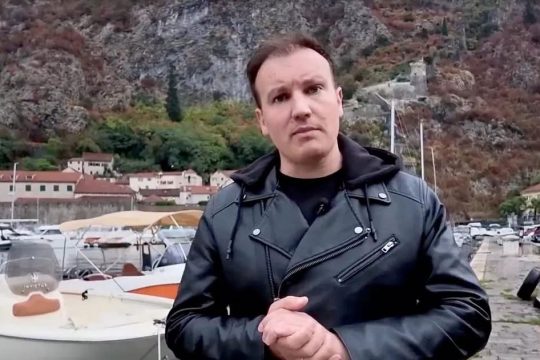
The lesson of Montenegro and Yerevan's unasked questions
1in.am / 1 hour ago

The EU will continue to support the sustainable development of Yerevan: Delegation's message on the occasion of the capital's 2808th anniversary
1in.am / 1 hour ago
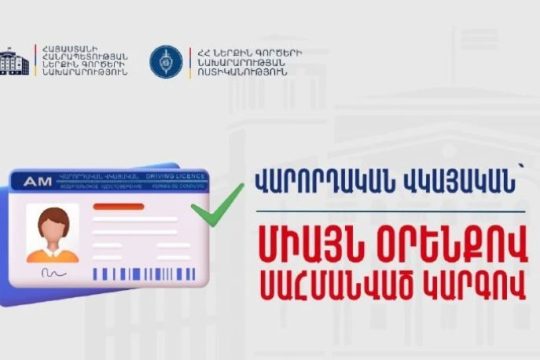
"Simplified" offers to obtain a driver's license are a scam: Ministry of Internal Affairs warns
1in.am / 2 hours ago
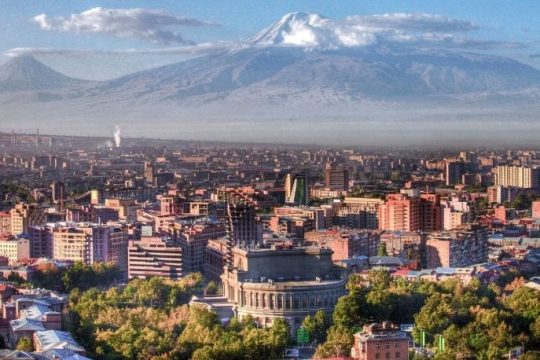
Nitrogen dioxide content in the center of Yerevan has exceeded the permissible limit for 4 days
1in.am / 2 hours ago
Related coverage
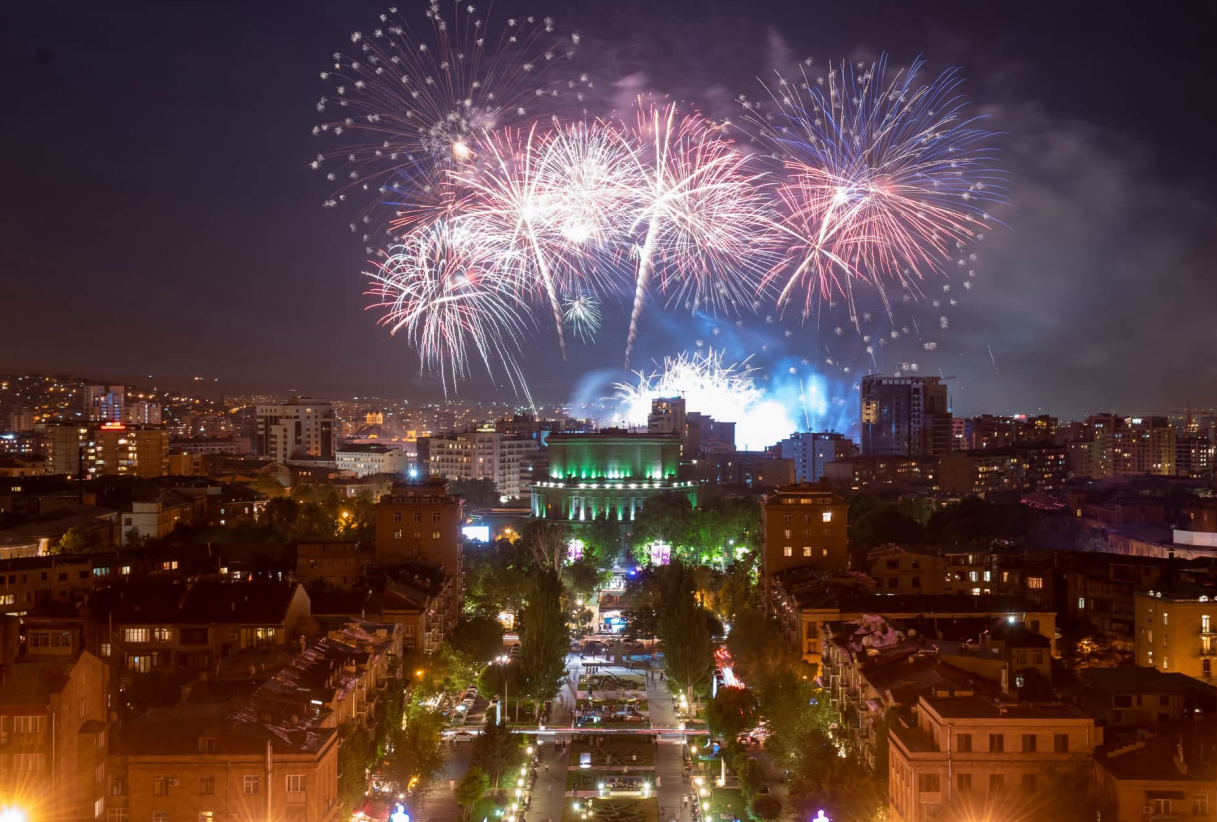
We wish the residents of Yerevan well-being and prosperity. Embassy of the Russian Federation in the Republic of Armenia
Shant News / 18 minutes ago
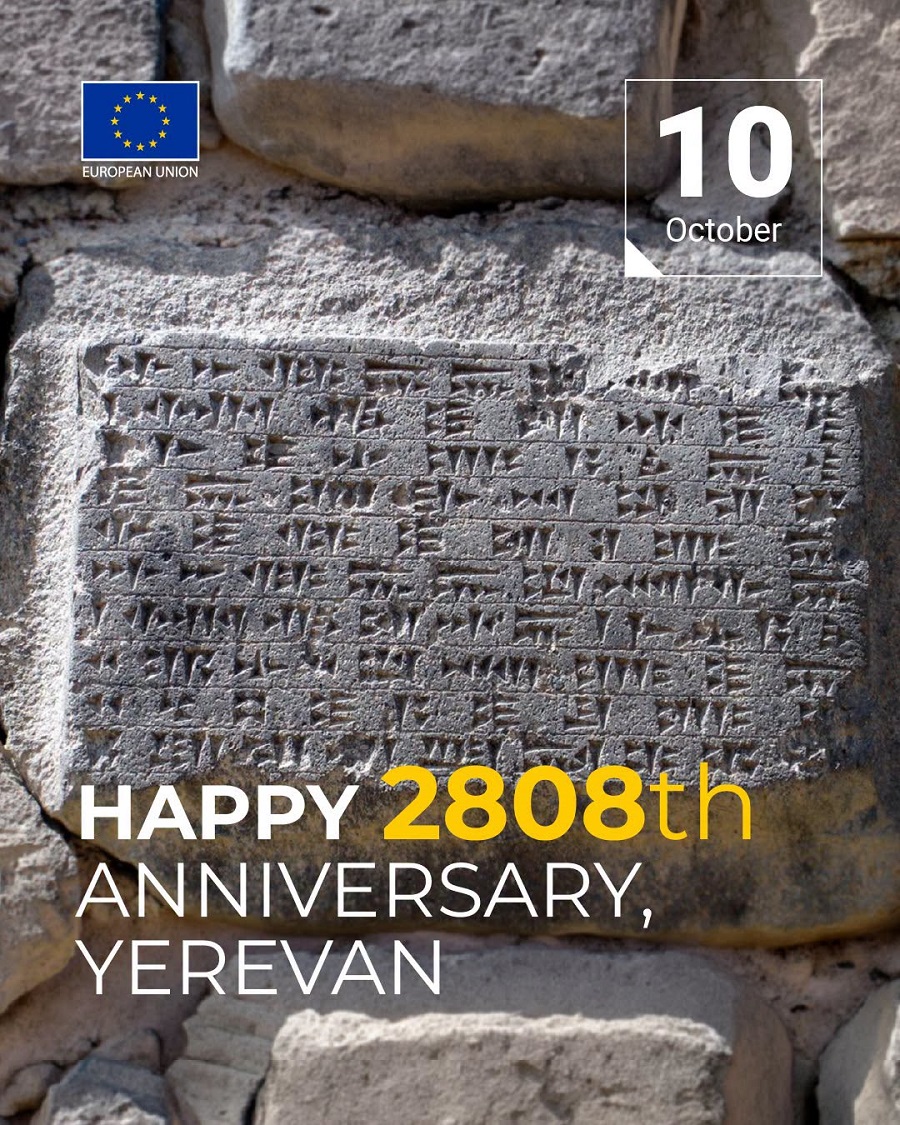
We continue to work to help Yerevan become more stable and continue to develop. EU in Armenia
Aravot / 32 minutes ago
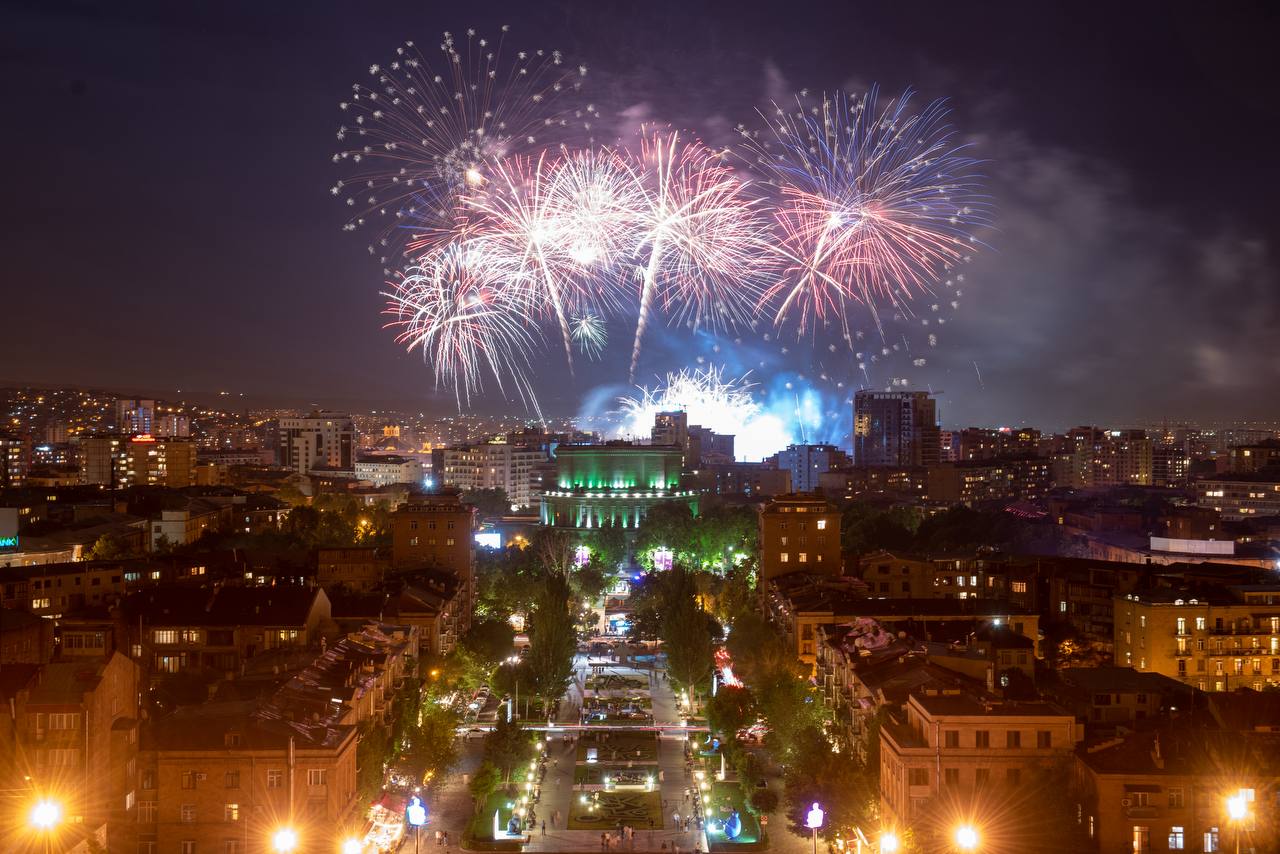
The Russian Embassy in Armenia congratulated on the occasion of Yerevan Day
ArmLur / Zhoghovurd / 41 minutes ago

The Russian Embassy in Armenia congratulated the people of Yerevan
Sputnik Armenia / 50 minutes ago