Showing in English.
3 full-article translations/day — headlines & summaries always free. Create free account for 25/day
There is no state with two laws.
Երկու օրենքով պետություն չի լինում
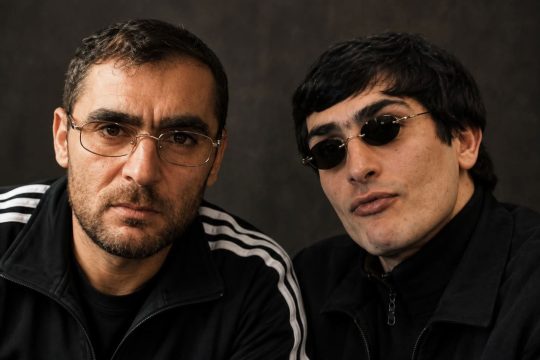
On September 23, the Interior Ministry Police reported the arrest of two individuals holding the highest status in the criminal hierarchy.
Սեպտեմբերի 23-ին ՆԳՆ ոստիկանությունը հաղորդեց քրեական աստիճանակարգության բարձրագույն կարգավիճակ պահպանող երկու անձի ձերբակալության մասին։
According to the official statement, one of them …
Ըստ պաշտոնական հաղորդագրության, նրանցից մեկը …
You are using an outdated browser. Please upgrade your browser.
You are using an outdated browser. Please upgrade your browser.
On September 23, the Interior Ministry police reported the arrest of two people with the highest status in the criminal hierarchy. According to the official report, one of them had asked the other to punish his former son-in-law due to a family dispute. The subsequent events reached a group argument, insults and mutual blows. The criminal proceedings are ongoing, and only the court can confirm the guilt of the persons involved.
Սեպտեմբերի 23-ին ՆԳՆ ոստիկանությունը հաղորդեց քրեական աստիճանակարգության բարձրագույն կարգավիճակ պահպանող երկու անձի ձերբակալության մասին։ Ըստ պաշտոնական հաղորդագրության, նրանցից մեկը դիմել էր մյուսին ընտանեկան վեճի պատճառով նախկին փեսային պատժելու խնդրանքով։ Հետագա իրադարձությունները հասել էին խմբային վիճաբանության, հայհոյանքների ու փոխադարձ հարվածների։ Քրեական վարույթը շարունակվում է, և ներգրավված անձանց մեղավորությունը կարող է հաստատել միայն դատարանը։
The most disturbing part of this story is not the street fight. The action preceding it is much more serious. A person turns to a representative of the criminal hierarchy to resolve a family dispute. This appeal implies an alternative authority, an alternative court, an alternative punishment. A shadow legal system continues to operate alongside the state legal order.
Այս պատմության ամենաանհանգստացնող մասը փողոցային կռիվը չէ։ Շատ ավելի ծանր է դրա նախորդող գործողությունը։ Մարդը ընտանեկան վեճը լուծելու համար դիմում է քրեական աստիճանակարգության ներկայացուցիչին։ Այդ դիմումը ենթադրում է այլընտրանքային հեղինակություն, այլընտրանքային դատարան, այլընտրանքային պատիժ։ Պետական իրավակարգի կողքին շարունակում է գործել ստվերային իրավակարգ։
That is why the “thug world” is not ordinary organized crime. It claims to have its own system of rules, its own judges, its own sanctions and its own authorities. The problem for the state begins with this very claim. In a legal state, the right to coercion and justice cannot be divided between the state and the criminal hierarchy. A citizen cannot go to court with one dispute and to a “thief in law” with another.
Դրա համար էլ «գողական աշխարհը» սովորական կազմակերպված հանցավորություն չէ։ Այն հավակնում է սեփական կանոնների, սեփական դատավորների, սեփական պատժամիջոցների և սեփական հեղինակությունների համակարգ ունենալ։ Պետության համար խնդիրը սկսվում է հենց այդ հավակնությունից։ Իրավական պետությունում հարկադրանքի և արդարադատության իրավունքը չի կարող բաժանվել պետության ու քրեական հիերարխիայի միջև։ Քաղաքացին չի կարող մի վեճով դիմել դատարան, մյուսով` «օրենքով գողի»։
Armenian legislation has already given a clear assessment of this phenomenon and views it as a serious threat to state and public order. Article 322 of the current Criminal Code punishes granting, receiving, or maintaining the highest status of the criminal hierarchy with six to twelve years of imprisonment. The Code also describes the content of the status in quite detail. It is about giving instructions, participating in criminal gatherings, collecting money, disposing of illegal benefits, and actions serving the goals of that system. Leading a group carrying a criminal subculture, participating in it, and appealing to such a person in order to use his influence are also separate criminal offenses.
Հայաստանի օրենսդրությունն արդեն հստակ գնահատական է տվել այս երևույթին և այն դիտարկում է որպես պետական ու հասարակական կարգի դեմ ուղղված լուրջ սպառնալիք։ Գործող Քրեական օրենսգրքի 322-րդ հոդվածը քրեական աստիճանակարգության բարձրագույն կարգավիճակ տալը, ստանալը կամ պահպանելը պատժում է վեցից տասներկու տարվա ազատազրկմամբ։ Օրենսգիրքը կարգավիճակի բովանդակությունն էլ նկարագրում է բավական մանրամասն։ Խոսքը հրահանգներ տալու, քրեական հավաքներին մասնակցելու, գումարներ հավաքագրելու, անօրինական օգուտ տնօրինելու և այդ համակարգի նպատակներին ծառայող գործողությունների մասին է։ Քրեական ենթամշակույթ կրող խմբավորում ղեկավարելը, դրան մասնակցելը և նման անձի ազդեցությունից օգտվելու նպատակով նրան դիմելը նույնպես առանձին հանցակազմեր են։
Therefore, the main problem for Armenia is not to write a new ban. The law exists. The question is the inevitability of its application.
Հետևաբար Հայաստանի հիմնական խնդիրը նոր արգելք գրելը չէ։ Օրենքը կա։ Հարցը դրա կիրառման անխուսափելիությունն է։
The stories of repeated arrests, detentions, bails and releases over the years around the same names create a dangerous impression in the public. In 2020, Gevorg Melikyan from Oshakantsi was arrested on suspicion of maintaining the highest status in the criminal hierarchy and using its influence. He was later released on bail. In 2025, a petition for detention was also filed against him, which the court rejected. In 2021, the criminal prosecution of Zapi, Andranik Soghoyan, was terminated on the grounds of lack of a criminal record and lack of sufficient evidence. These episodes open a deep problem: the severity of the law does not produce results if the investigation does not provide a solid evidentiary basis, proceedings are delayed, and judicial practice remains inconsistent.
Նույն անունների շուրջ տարիների ընթացքում կրկնվող ձերբակալությունների, կալանքի, գրավի և ազատ արձակման պատմությունները հանրության մեջ ստեղծում են վտանգավոր տպավորություն։ 2020 թվականին Օշականցի Գևորիկը՝ Գևորգ Մելիքյանը ձերբակալվել էր քրեական աստիճանակարգության բարձրագույն կարգավիճակ պահպանելու և դրա ազդեցությունն օգտագործելու կասկածանքով։ Հետագայում նա ազատ էր արձակվել գրավով։ 2025-ին նրա նկատմամբ ևս կալանքի միջնորդություն էր ներկայացվել, որը դատարանը մերժել էր։ Զապի՝ Անդրանիկ Սողոյանի նկատմամբ 2021-ին քրեական հետապնդումը դադարեցվել էր հանցակազմի բացակայության և բավարար ապացույցների բացակայության հիմքերով։ Այս դրվագները բացում են խորը խնդիր՝ օրենքի խստությունը արդյունք չի տալիս, եթե քննությունը չի ապահովում ամուր ապացուցողական հիմք, վարույթները ձգձգվում են, իսկ դատական պրակտիկան մնում է անհետևողական։
There is progress in the penitentiary system, but there are still no grounds to consider the problem solved. The Council of Europe Committee for the Prevention of Torture in its 2024 report recorded a noticeable decrease in the influence of the informal criminal hierarchy and linked it to legislative tightening against the criminal subculture and the isolation of influential criminal authorities. At the same time, the report states that this system continues to exist, especially in the penitentiary institutions of Nubarashen and Artik, and cases of pressure, extortion and exploitation continue to be recorded against convicts with lower informal status.
Քրեակատարողական համակարգում առաջընթաց կա, սակայն խնդիրը լուծված համարելու հիմքեր դեռ չկան։ Եվրոպայի խորհրդի Խոշտանգումների կանխարգելման կոմիտեն 2024 թվականի զեկույցում արձանագրել է քրեական ոչ պաշտոնական հիերարխիայի ազդեցության նկատելի նվազում և դա կապել նաև քրեական ենթամշակույթի դեմ օրենսդրական խստացումների ու ազդեցիկ քրեական հեղինակությունների մեկուսացման հետ։ Միաժամանակ զեկույցը փաստում է, որ այդ համակարգը շարունակում է գոյություն ունենալ, հատկապես Նուբարաշենի և Արթիկի քրեակատարողական հիմնարկներում, իսկ ստորին ոչ պաշտոնական կարգավիճակ ունեցող դատապարտյալների նկատմամբ շարունակում են արձանագրվել ճնշման, շորթման և շահագործման դեպքեր։
So the law has yielded some results. The next stage requires systematic pressure on the entire subculture.
Ուրեմն օրենքը որոշ արդյունք տվել է։ Հաջորդ փուլը պահանջում է համակարգային ճնշում ամբողջ ենթամշակույթի վրա։
Georgia went much tougher on this path. Its Criminal Code stipulates seven to ten years in prison for membership in the “criminal world”, and nine to fifteen years for being a “thief in law”. Participation in criminal gatherings, support for the criminal world and resorting to “thief” authorities to resolve disputes are also punishable. The logic of the Georgian approach was clear. The state struck not only at individual crimes, but at the very mechanism of the entire hierarchy’s existence.
Վրաստանը այս ճանապարհով գնաց շատ ավելի կոշտ։ Նրա Քրեական օրենսգիրքը «քրեական աշխարհի» անդամակցության համար սահմանում է յոթից տասը տարվա, «օրենքով գող» լինելու համար` իննից տասնհինգ տարվա ազատազրկում։ Պատժելի են նաև քրեական հավաքներին մասնակցությունը, քրեական աշխարհին աջակցությունը և «գողական» հեղինակությանը վեճ լուծելու համար դիմելը։ Վրացական մոտեցման տրամաբանությունը պարզ էր։ Պետությունը հարվածեց ոչ միայն առանձին հանցագործություններին, այլ ամբողջ հիերարխիայի գոյության մեխանիզմին։
Italy chose an equally important second direction in the fight against the mafia. Criminal liability was joined by the confiscation of property and the dismantling of economic networks. Membership in a mafia organization is a serious crime in itself, and the punishments for leaders are more severe. The key lesson of the Italian experience is about money. The real support of criminal authority is not only fear. It feeds on money, business connections, patronage and closed networks of influence. With the destruction of this infrastructure, the social influence and ability of criminal authority to reproduce also weakens.
Իտալիան մաֆիայի դեմ պայքարում ընտրեց նույնքան կարևոր երկրորդ ուղղությունը։ Քրեական պատասխանատվությանը միացվեցին գույքի բռնագրավումը և տնտեսական ցանցերի քանդումը։ Մաֆիական կազմակերպության անդամակցությունն ինքնուրույն ծանր հանցագործություն է, իսկ ղեկավարների համար պատիժներն ավելի խիստ են։ Իտալական փորձի առանցքային դասը փողի մասին է։ Քրեական հեղինակության իրական հենարանը միայն վախը չէ։ Այն սնվում է փողից, բիզնես կապերից, հովանավորչությունից և ազդեցության փակ ցանցերից։ Այդ ենթակառուցվածքի քանդմամբ թուլանում է նաև քրեական հեղինակության հասարակական ազդեցությունն ու վերարտադրվելու կարողությունը։
For Armenia, there is a deeper problem here.
Հայաստանի համար այստեղ կա առավել խոր խնդիր։
The country can declare education as the main development strategy, talk in schools about civic responsibility, rights and dignity. All this work loses its power when a teenager sees in his environment a person whose source of authority is not education, work or service, but the ability to instill fear and control the destinies of others.
Երկիրը կրթությունը կարող է հայտարարել զարգացման գլխավոր ռազմավարություն, դպրոցներում խոսել քաղաքացիական պատասխանատվության, իրավունքի և արժանապատվության մասին։ Այդ ամբողջ աշխատանքը կորցնում է ուժը, երբ դեռահասը իր շրջապատում տեսնում է մի մարդու, որի հեղինակության աղբյուրը կրթությունը, աշխատանքը կամ ծառայությունը չէ, այլ վախ առաջացնելու և ուրիշների ճակատագրերը տնօրինելու կարողությունը։
That is why the fight against criminal subculture is not a narrow task of the police. It is a problem of education, the army, the prison system, the court, the community and public culture.
Քրեական ենթամշակույթի դեմ պայքարը հենց այդ պատճառով ոստիկանության նեղ գործը չէ։ Դա կրթության, բանակի, բանտային համակարգի, դատարանի, համայնքի և հանրային մշակույթի խնդիր է։
The task of the state is not simply to isolate representatives of the criminal world. It is necessary to eliminate the environment that gives them authority, influence and the role of mediator. Society should not have any dispute, problem or relationship for the solution of which it is considered more effective to turn to criminal authority than to a state institution.
Պետության խնդիրը քրեական աշխարհի ներկայացուցիչներին պարզապես մեկուսացնելը չէ։ Անհրաժեշտ է վերացնել այն միջավայրը, որը նրանց տալիս է հեղինակություն, ազդեցություն և միջնորդի դեր։ Հասարակությունը չպետք է ունենա որևէ վեճ, խնդիր կամ հարաբերություն, որի լուծման համար ավելի արդյունավետ համարվի քրեական հեղինակությանը դիմելը, քան պետական ինստիտուտին։
This is already a bigger problem than the issue of law and order. It concerns the authority of the state. As long as the “thug’s word” has weight in any environment, the word of the law does not have full authority. And the state is strong to the extent that its citizens are confident that their security, dignity and rights are protected not by the thug’s or criminal authority, but by the Republic.
Սա արդեն իրավակարգի հարցից ավելի մեծ խնդիր է։ Այն վերաբերում է պետության հեղինակությանը։ Քանի դեռ «գողական խոսքը» որևէ միջավայրում կշիռ ունի, օրենքի խոսքը լիարժեք իշխանություն չունի։ Իսկ պետությունը ամուր է այնքանով, որքանով իր քաղաքացին վստահ է, որ իր անվտանգությունը, արժանապատվությունն ու իրավունքը պաշտպանում է ոչ թե գողական կամ քրեական հեղինակությունը, այլ Հանրապետությունը։
Comments
No comments yet — be the first to comment.