Showing in English.
5 full-article translations/day — headlines & summaries always free. Create free account for 25/day
The 60 thousand hectare policy
60 հազար հեկտարի քաղաքականությունը
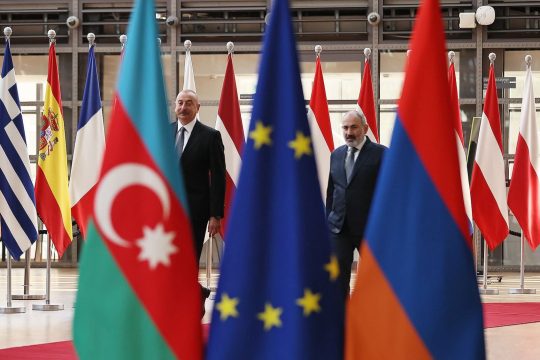
On September 22, Azerbaijani President Ilham Aliyev again leveled accusations against Armenia over the use of natural resources, this time focusing on the forest sector.
Սեպտեմբերի 22-ին Ադրբեջանի նախագահ Իլհամ Ալիևը կրկին Հայաստանի հասցեին հնչեցրեց բնական պաշարների օգտագործման մեղադրանքներ՝ այս անգամ դրանք կենտրոնացնելով անտառային …
You are using an outdated browser. Please upgrade your browser.
You are using an outdated browser. Please upgrade your browser.
On September 22, Azerbaijani President Ilham Aliyev again leveled accusations against Armenia over its use of natural resources, this time focusing on forest damage. During a meeting on the State Program for the Development of Mining and Metallurgy for 2027–2030, he announced that the Armenian side had destroyed 60,000 hectares of forest reserves in the Kelbajar, Lachin and Zangelan regions. Aliyev also specifically referred to the period of the withdrawal of Armenian forces from Kelbajar and Lachin after the 2020 war, claiming that trees were cut down, sold and burned during those weeks.
Սեպտեմբերի 22-ին Ադրբեջանի նախագահ Իլհամ Ալիևը կրկին Հայաստանի հասցեին հնչեցրեց բնական պաշարների օգտագործման մեղադրանքներ՝ այս անգամ դրանք կենտրոնացնելով անտառային վնասի վրա։ Հանքարդյունաբերության և մետալուրգիայի զարգացման 2027–2030 թվականների պետական ծրագրին նվիրված խորհրդակցության ժամանակ նա հայտարարեց, որ Քելբաջարի, Լաչինի և Զանգելանի շրջաններում հայկական կողմը ոչնչացրել է 60 հազար հեկտար անտառային պաշար։ Ալիևը հատուկ անդրադարձավ նաև 2020 թվականի պատերազմից հետո Քելբաջարից և Լաչինից հայկական ուժերի դուրսբերման ժամանակահատվածին՝ պնդելով, որ այդ շաբաթներին ծառեր են հատվել, վաճառվել և այրվել։
The figure of 60,000 hectares has been used in official Azerbaijani statements before. Aliyev linked it to satellite observations and studies conducted after the war. The current statement again shifts the topic to the economic policy agenda, uniting the issues of natural resource exploitation, war damage, and potential liability within a common political framework.
60 հազար հեկտարի թիվը Ադրբեջանի պաշտոնական հայտարարություններում նախկինում ևս օգտագործվել է։ Ալիևը այն կապել է արբանյակային դիտարկումների և պատերազմից հետո իրականացված ուսումնասիրությունների հետ։ Ներկայիս հայտարարությունը թեման կրկին տեղափոխում է տնտեսական քաղաքականության օրակարգ՝ բնական պաշարների շահագործման, պատերազմի հասցրած վնասների և հնարավոր պատասխանատվության հարցերը միավորելով ընդհանուր քաղաքական շրջանակում։
At this stage, the environmental accusation takes on a broader meaning. The number is not an ordinary statistic in politics. It can turn into a calculation of damage, the calculation into a claim for compensation, and the claim into a tool for long-term diplomatic and legal pressure. Baku is gradually forming its own balance sheet of the war legacy, including territory, natural resources, economic losses, and environmental damage in the same claim structure.
Այս փուլում բնապահպանական մեղադրանքը ստանում է ավելի լայն նշանակություն։ Թիվը քաղաքականության մեջ սովորական վիճակագրություն չէ։ Այն կարող է վերածվել վնասի հաշվարկի, հաշվարկը՝ փոխհատուցման պահանջի, իսկ պահանջը՝ երկարատև դիվանագիտական և իրավական ճնշման գործիքի։ Բաքուն աստիճանաբար ձևավորում է պատերազմի ժառանգության սեփական հաշվեկշիռը՝ տարածքը, բնական պաշարները, տնտեսական կորուստներն ու բնապահպանական վնասը ներառելով նույն պահանջատիրական կառուցվածքի մեջ։
Yerevan’s task here is not to respond to the statement with a counter-statement. It is necessary to build its own factual and legal architecture in advance: to clarify data sources, measurement methodology, chronology, causal links, and limits of liability. If Armenia does not formulate its factual and legal response in time, the claim of 60 thousand hectares may gradually move from a political statement to the international agenda, acquiring the significance of a compensation claim, a legal dispute and the basis for long-term pressure on Armenia.
Երևանի խնդիրը այստեղ հայտարարությանը հակադարձ հայտարարությամբ պատասխանելը չէ։ Անհրաժեշտ է նախապես կառուցել սեփական փաստական և իրավական ճարտարապետությունը՝ ճշտել տվյալների աղբյուրները, չափման մեթոդաբանությունը, ժամանակագրությունը, պատճառահետևանքային կապերը և պատասխանատվության սահմանները։ Եթե Հայաստանը ժամանակին չձևակերպի իր փաստական և իրավական պատասխանը, 60 հազար հեկտարի պնդումը կարող է աստիճանաբար անցնել քաղաքական հայտարարությունից դեպի միջազգային օրակարգ՝ ստանալով փոխհատուցման պահանջի, իրավական վեճի և Հայաստանի նկատմամբ երկարաժամկետ ճնշման հիմքի նշանակություն։
The already existing legal footprint is particularly important here. In the materials of the case “Azerbaijan v. Armenia” examined at the International Court of Justice in 2024, the Azerbaijani side mentioned about 8,900 hectares of “verified forest loss” among the data presented. This indicator differs significantly from the 60 thousand hectares declared by Aliyev, and this difference already requires a clear answer: what was measured, over what period of time and by what criteria was the 60 thousand hectares formed.
Այստեղ առանձնապես կարևոր է արդեն գոյություն ունեցող իրավական հետքը։ 2024 թվականին Արդարադատության միջազգային դատարանում քննված «Ադրբեջանն ընդդեմ Հայաստանի» գործի նյութերում ադրբեջանական կողմի ներկայացրած տվյալների շարքում հիշատակվել է շուրջ 8,900 հեկտար «ստուգված անտառային կորուստ»։ Այս ցուցանիշը էապես տարբերվում է Ալիևի հայտարարած 60 հազար հեկտարից և այդ տարբերությունն արդեն պահանջում է հստակ պատասխան՝ ինչ է չափվել, ինչ ժամանակահատվածում և ինչ չափանիշներով է ձևավորվել 60 հազար հեկտարը։
The legal limit set by the court is more important. The International Court of Justice did not include Azerbaijan’s claims for environmental damage within the scope of the Convention on the Elimination of Racial Discrimination. The Court thus did not establish the extent of the damage in question, its origin, or Armenia’s responsibility.
Առավել կարևոր է դատարանի սահմանած իրավական սահմանը։ Բնապահպանական վնասի վերաբերյալ Ադրբեջանի պահանջները Արդարադատության միջազգային դատարանը չներառեց Ռասայական խտրականության վերացման մասին կոնվենցիայի կիրառման տիրույթում։ Դատարանը այդպիսով չհաստատեց շրջանառվող վնասի ծավալը, դրա ծագումը կամ Հայաստանի պատասխանատվությունը։
In international law, such a claim requires a detailed evidentiary basis. It is necessary to restore the initial state of the territory, show the chronology and actual extent of the changes, distinguish the consequences of military operations, fires, economic exploitation, and other causes, and then substantiate their legal attribution to the decisions of Armenian state bodies or actions taken under their control. Only after establishing this entire chain can the legal issue of the value of the damage and compensation arise.
Միջազգային իրավունքում նման պահանջը պահանջում է մանրամասն ապացուցողական հիմք։ Պետք է վերականգնել տարածքի նախնական վիճակը, ցույց տալ փոփոխությունների ժամանակագրությունն ու իրական ծավալը, տարբերակել ռազմական գործողությունների, հրդեհների, տնտեսական շահագործման և այլ պատճառների հետևանքները, ապա հիմնավորել դրանց իրավական վերագրումը Հայաստանի պետական մարմինների որոշումներին կամ վերահսկողության ներքո կատարված գործողություններին։ Միայն այդ ամբողջ շղթայի հաստատումից հետո կարող է առաջանալ վնասի արժեքի և փոխհատուցման իրավական հարցը։
Armenia’s legal position must be built on these very nodes. The impact of political accusations decreases when the dispute is transferred to the field of verifiable facts, data sources, measurement methods, causality, and clear criteria for state responsibility. In this case, the claim of 60 thousand hectares loses the force of a self-sufficient political fact and turns into a verifiable claim with its own sources, calculations, causal relationships, and bases of responsibility.
Հայաստանի իրավական դիրքը պետք է կառուցվի հենց այս հանգույցների վրա։ Քաղաքական մեղադրանքի ազդեցությունը նվազում է այն ժամանակ, երբ վեճը տեղափոխվում է ստուգելի փաստերի, տվյալների աղբյուրների, չափման մեթոդների, պատճառական կապի և պետության պատասխանատվության հստակ չափանիշների դաշտ։ Այդ դեպքում 60 հազար հեկտարի պնդումը կորցնում է ինքնաբավ քաղաքական փաստի ուժը և վերածվում է ստուգման ենթակա պահանջի՝ իր աղբյուրներով, հաշվարկով, պատճառական կապերով և պատասխանատվության հիմքերով։
The difference between 8,900 and 60,000 hectares is not only about the size, but also about the subject of the calculation itself. The area of the forest fund, the loss of tree cover, thinning, damage caused by fires and the consequences of economic exploitation are not the same category and cannot be mechanically combined into one indicator. Therefore, the reliability of the figures depends on the definitions underlying them, the period studied, the data sets used and the calculation method. Without revealing these layers, the large difference remains not an answer, but a source of new questions.
8,900 և 60,000 հեկտարի միջև տարբերությունը վերաբերում է արդեն ոչ միայն չափին, այլև հենց հաշվարկի առարկային։ Անտառային ֆոնդի մակերեսը, ծառածածկույթի կորուստը, նոսրացումը, հրդեհների պատճառած վնասը և տնտեսական շահագործման հետևանքները նույն կատեգորիան չեն և չեն կարող մեխանիկորեն միավորվել մի ցուցանիշում։ Հետևաբար թվերի արժանահավատությունը կախված է դրանց հիմքում դրված սահմանումներից, ուսումնասիրված ժամանակահատվածից, օգտագործված տվյալների համախմբերից և հաշվարկի մեթոդից։ Առանց այդ շերտերի բացահայտման մեծ տարբերությունը մնում է ոչ թե պատասխան, այլ նոր հարցերի աղբյուր։
In an international legal dispute, the political resonance of a number does not yet create probative force. That force is formed by the complete chain of facts: from the origin of the number, the period and method of calculation, the nature and causes of the damage to the substantiation of the connection between specific actions and responsibility. The weakness of any link in this chain can call into question the validity of the entire claim. Therefore, 60 thousand hectares should be considered at this stage as a claim presented by Azerbaijan, the legal weight of which still depends on the totality of the supporting evidence.
Միջազգային իրավական վեճում թվի քաղաքական հնչեղությունը դեռ ապացուցողական ուժ չի ստեղծում։ Այդ ուժը ձևավորվում է փաստերի ամբողջական շղթայից՝ թվի ծագումից, հաշվարկի ժամանակահատվածից ու մեթոդից, վնասի բնույթից ու պատճառներից մինչև կոնկրետ գործողությունների և պատասխանատվության միջև կապի հիմնավորումը։ Այս շղթայի որևէ օղակի թուլությունը կարող է հարցականի տակ դնել ամբողջ պահանջի հիմնավորվածությունը։ Հետևաբար 60 հազար հեկտարը այս փուլում պետք է դիտարկել որպես Ադրբեջանի ներկայացրած պնդում, որի իրավական կշիռը դեռ կախված է այն հաստատող ապացույցների ամբողջությունից։
The core of Armenia’s possible response is the evidentiary field itself.
Հայաստանի հնարավոր արձագանքի առանցքը հենց ապացուցողական դաշտն է։
Armenia’s counter-argument should be built by combining data from satellite observations, Soviet-era forest maps, logging permits, fire records, timber trade, and infrastructure projects. The key issue is causality. Loss of tree cover does not yet mean illegal logging or the responsibility of the Republic of Armenia. Fire, war, economic exploitation, and state decision have different bases and require separate evidence.
Հայաստանի հակափաստարկը պետք է կառուցվի արբանյակային դիտարկումների, խորհրդային շրջանի անտառային քարտեզների, անտառահատման թույլտվությունների, հրդեհների գրանցումների, փայտանյութի առևտրի և ենթակառուցվածքային նախագծերի տվյալների համադրմամբ։ Առանցքային հարցը պատճառական կապն է։ Ծառածածկույթի կորուստը դեռ չի նշանակում ապօրինի հատում կամ Հայաստանի Հանրապետության պատասխանատվություն։ Հրդեհը, պատերազմը, տնտեսական շահագործումը և պետության որոշումը տարբեր հիմքեր ունեն և պահանջում են առանձին ապացույցներ։
Yerevan should move the dispute to the field of facts and methodology. Silence allows the Azerbaijani assessment to consolidate on the international agenda as an undisputed fact, while rhetorical rebuttal does not create an adequate defense. Armenia’s response must be documented, measurable, and verifiable, with a basis that can withstand diplomatic and legal scrutiny.
Երևանը պետք է վեճը տեղափոխի փաստերի ու մեթոդաբանության դաշտ։ Լռությունը ադրբեջանական գնահատականին հնարավորություն է տալիս ամրապնդվել միջազգային օրակարգում որպես չվիճարկված փաստ, իսկ հռետորական հակադարձումը չի ստեղծում համարժեք պաշտպանություն։ Հայաստանի պատասխանը պետք է լինի փաստագրված, չափելի և ստուգելի՝ այնպիսի հիմքով, որը կարող է դիմանալ դիվանագիտական ու իրավական քննությանը։
This is where Aliyev’s statement comes in. Baku is creating an economic and environmental balance sheet of the war, which could later become a tool for compensation claims or political pressure.
Ալիևի հայտարարության նշանակությունը հենց այստեղ է։ Բաքուն ձևավորում է պատերազմի տնտեսական ու բնապահպանական հաշվեկշիռ, որը հետագայում կարող է դառնալ փոխհատուցման պահանջի կամ քաղաքական ճնշման գործիք։
The claim of 60,000 hectares has already entered political circulation. Its further weight will be determined by the credibility of the sources, the transparency of the calculation, the validity of the causal link, and the quality of the evidence presented.
60 հազար հեկտարի պնդումն արդեն մտել է քաղաքական շրջանառության մեջ։ Դրա հետագա կշիռը որոշվելու է աղբյուրների արժանահավատությամբ, հաշվարկի թափանցիկությամբ, պատճառական կապի հիմնավորվածությամբ և ներկայացվող ապացույցների որակով։
Comments
No comments yet — be the first to comment.
More from 1in.am
The Public Procurement Service recorded violations in procurement procedures worth 3.2 billion drams
1in.am / 4 hours ago

2 foreigners arrested on suspicion of selling drugs through placement
1in.am / 4 hours ago

British Council, a key partner in educational reforms: Memorandum signed
1in.am / 4 hours ago
Armenia is considering the possibility of making Oman a new export and logistics destination
1in.am / 4 hours ago
Related coverage

This complex must end: no product should be sold without a certificate of origin.
Noyan Tapan TV / 4 hours ago

Should MPs take a psychological test?
Noyan Tapan TV / 4 hours ago

The brawl in the National Assembly is a reflection of the accumulated aggression in society
Noyan Tapan TV / 4 hours ago
You're eating cancer now: Farmers are being taught to produce garbage
Noyan Tapan TV / 4 hours ago