Showing in English.
5 full-article translations/day — headlines & summaries always free. Create free account for 25/day
Church, tax and trust
Եկեղեցի, հարկ և վստահություն
The conflict over the Armenian Apostolic Church is entering a new phase.
Հայ Առաքելական եկեղեցու շուրջ հակամարտությունը մտնում է նոր փուլ։
The report prepared by the government has not yet been published, but Prime Minister Nikol Pashinyan…
Կառավարությունում պատրաստված զեկույցը դեռ չի հրապարակվել, սակայն վարչապետ Նիկոլ Փաշինյանն …
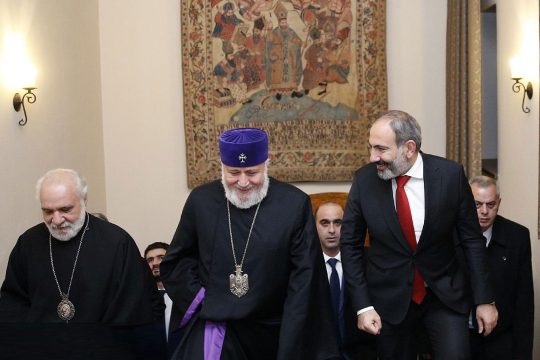
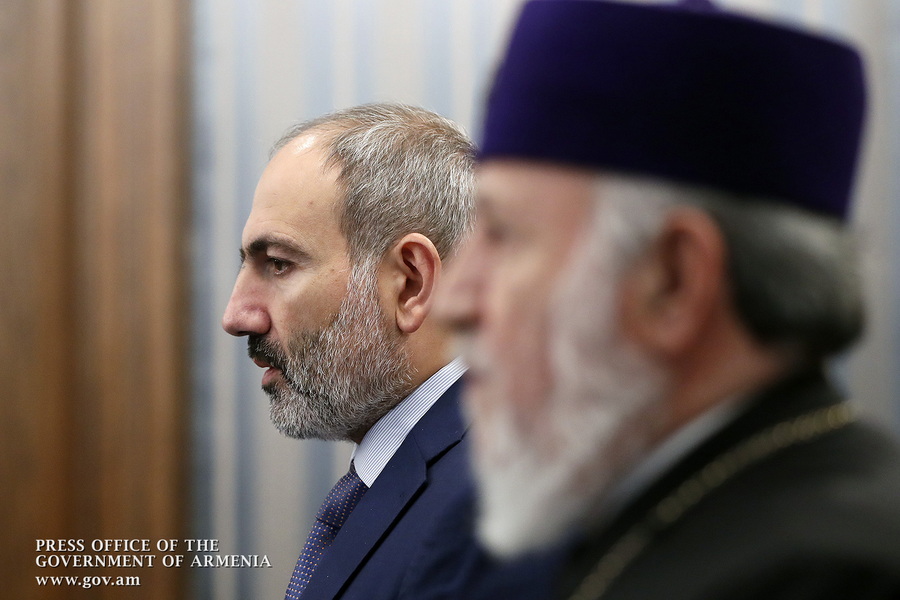
The conflict over the Armenian Apostolic Church is entering a new phase. The report prepared by the government has not yet been published, but Prime Minister Nikol Pashinyan has already spoken about possible legislative amendments and the creation of an investigative commission in the National Assembly. In an interview with Bun TV, he described the situation in the church as an “occupation” and noted that resolving the problem may also require changing the law. In parallel, the Prime Minister has raised the issues of work, remuneration, health insurance and social protection of ordinary clergy in recent months. Thus, the government’s agenda is gradually shifting to the field of church governance, financial relations and state regulation.
Հայ Առաքելական եկեղեցու շուրջ հակամարտությունը մտնում է նոր փուլ։ Կառավարությունում պատրաստված զեկույցը դեռ չի հրապարակվել, սակայն վարչապետ Նիկոլ Փաշինյանն արդեն խոսել է հնարավոր օրենսդրական փոփոխությունների և Ազգային ժողովում քննիչ հանձնաժողով ստեղծելու մասին։ «Բուն TV»-ին տված հարցազրույցում նա եկեղեցում ստեղծված վիճակը բնութագրել է որպես «բռնազավթում» և նշել, որ խնդրի լուծումը կարող է պահանջել նաև օրենքի փոփոխություն։ Դրան զուգահեռ վարչապետը վերջին ամիսներին բարձրացրել է շարքային հոգևորականների աշխատանքի, վարձատրության, առողջապահական ապահովագրության և սոցիալական պաշտպանության հարցերը։ Այսպիսով, իշխանության օրակարգը աստիճանաբար տեղափոխվում է եկեղեցու կառավարման, ֆինանսական հարաբերությունների ու պետական կարգավորման դաշտ։
The underlying issue of this debate is much broader than the scope of Garegin II’s tenure or the current relations between the executive and the Mother See. It is about the boundaries of responsibility, autonomy, accountability and public law between the state, church and society. In Armenia, these relations have historically been shaped by tradition and political arrangements, and their modern legal and institutional boundaries in Armenia have not yet been fully clarified.
Այս բանավեճի խորքային խնդիրը շատ ավելի լայն է Գարեգին Երկրորդի պաշտոնավարման կամ գործադիր-Մայր Աթոռ ներկա հարաբերությունների շրջանակից։ Խոսքը պետության, եկեղեցու և հասարակության միջև պատասխանատվության, ինքնավարության, հաշվետվողականության և հանրային իրավունքի սահմանների մասին է։ Հայաստանում այդ հարաբերությունները պատմականորեն ձևավորվել են ավանդույթի և քաղաքական պայմանավորվածությունների ազդեցությամբ, իսկ դրանց ժամանակակից իրավական և ինստիտուցիոնալ սահմանները Հայաստանում դեռ ամբողջությամբ չեն հստակեցվել։
The Constitution of Armenia simultaneously enshrines two important principles. Religious organizations are separate from the state, and the exclusive mission of the Armenian Apostolic Church is recognized in the preservation of national culture, spiritual life, and identity. The Constitution also allows for the regulation of state-church relations by law. Current legislation, on the other hand, prohibits the state from interfering in the legitimate activities and internal life of the church. This boundary line is now becoming the legal center of the entire dispute.
Հայաստանի Սահմանադրությունը միաժամանակ ամրագրում է երկու կարևոր սկզբունք։ Կրոնական կազմակերպություններն անջատ են պետությունից, իսկ Հայ Առաքելական եկեղեցու բացառիկ առաքելությունը ճանաչվում է ազգային մշակույթի, հոգևոր կյանքի և ինքնության պահպանման գործում։ Սահմանադրությունը նաև թույլ է տալիս պետություն-եկեղեցի հարաբերությունները կարգավորել օրենքով։ Գործող օրենսդրությունը, մյուս կողմից, պետությանը արգելում է միջամտել եկեղեցու օրինական գործունեությանը և ներքին կյանքին։ Այս սահմանագիծն է այսօր դառնում ամբողջ վեճի իրավական կենտրոնը։
The tax issue here is not simply a dispute about the privileges of the church. It concerns a more fundamental issue: what status should a structure have that simultaneously carries a spiritual, historical-cultural, and public mission, but also manages property, has employees, economic activities, and income streams. A clear distinction is important here. Religious and charitable activities can benefit from special privileges, while income-generating property and economic activities must be subject to general tax rules. The current regulations in Armenia already partially provide for this distinction, but the boundaries are not yet fully clear. The problem is to clarify this very boundary: what is in the sphere of the special status of the church, and what should be subject to general accountability and tax rules.
Հարկային հարցը այստեղ պարզապես եկեղեցու արտոնությունների մասին վեճ չէ։ Այն վերաբերում է ավելի հիմնարար խնդրի՝ ինչ կարգավիճակ պետք է ունենա մի կառույց, որը միաժամանակ կրում է հոգևոր, պատմամշակութային և հանրային առաքելություն, բայց նաև տնօրինում է գույք, ունի աշխատակիցներ, տնտեսական գործունեություն և եկամտային հոսքեր։ Այստեղ կարևոր է պարզ տարանջատումը։ Պաշտամունքային և հանրօգուտ գործունեությունը կարող է օգտվել հատուկ արտոնություններից, իսկ եկամուտ բերող գույքն ու տնտեսական գործունեությունը պետք է ենթարկվեն ընդհանուր հարկային կանոններին։ Հայաստանի գործող կարգավորումները այս տարբերակումը մասամբ արդեն նախատեսում են, սակայն սահմանները դեռ լիովին հստակ չեն։ Խնդիրը հենց այդ սահմանը ճշգրտելն է՝ ինչն է եկեղեցու հատուկ կարգավիճակի ոլորտում, և ինչը պետք է ենթարկվի ընդհանուր հաշվետվողականության ու հարկային կանոնների։
International experience shows different solutions.
Միջազգային փորձը ցույց է տալիս տարբեր լուծումներ։
The Greek model is particularly interesting for discussion. The Orthodox Church has a special historical position, and the state continues to pay the salaries of a large number of clergy. The Greek system of education and religious affairs even has a separate state regulation on the positions of clergy and state payments. At the same time, the tax privilege of real estate is linked to the purpose of use. The property of a religious organization is exempt from tax when it is used for worship, religious or charitable activities.
Հունաստանի մոդելը հատկապես հետաքրքիր է քննարկման համար։ Ուղղափառ եկեղեցին ունի պատմական հատուկ դիրք, իսկ պետությունը շարունակում է վճարել մեծ թվով հոգևորականների աշխատավարձերը։ Հունաստանի կրթության և կրոնական հարցերի համակարգում նույնիսկ առանձին պետական կարգավորում կա հոգևորականների հաստիքների և պետական վճարման վերաբերյալ։ Միաժամանակ անշարժ գույքի հարկային արտոնությունը կապված է օգտագործման նպատակի հետ։ Կրոնական կազմակերպության գույքը ազատվում է հարկից, երբ այն օգտագործվում է պաշտամունքի, կրոնական կամ հանրօգուտ գործունեության համար։
In Bulgaria, the state directly subsidizes registered religious communities from the state budget. The law provides for the use of funds for salaries of clergy and employees, educational programs, and certain public services. State funding also entails an obligation of accountability. The use of public funds must be transparent, targeted, and controllable.
Բուլղարիայում պետությունը պետական բյուջեից ուղղակի սուբսիդավորում է գրանցված կրոնական համայնքներին։ Օրենքը նախատեսում է գումարների օգտագործում հոգևորականների ու աշխատակիցների աշխատավարձերի, կրթական ծրագրերի և որոշ հանրային ծառայությունների համար։ Պետական ֆինանսավորումն իր հետ բերում է նաև հաշվետվողականության պարտավորություն։ Հանրային միջոցների օգտագործումը պետք է լինի թափանցիկ, նպատակային և վերահսկելի։
A different model is used in Germany. State tax authorities collect church taxes from church members and transfer them to the respective church. In Baden-Württemberg, for example, this tax constitutes 8 percent of income tax, and the church pays the state for the administrative service of collecting taxes.
Գերմանիայում կիրառվում է այլ մոդել։ Պետական հարկային մարմինները եկեղեցու անդամներից գանձում են եկեղեցական հարկը և այն փոխանցում համապատասխան եկեղեցուն։ Բադեն-Վյուրտեմբերգում, օրինակ, այդ հարկը կազմում է եկամտային հարկի 8 տոկոսը, իսկ եկեղեցին պետությանը վճարում է հարկերը հավաքագրելու վարչական ծառայության համար։
Italy has chosen a different path. When distributing 0.8 percent of total income tax revenues, the taxpayer can choose the state or one of the authorized religious institutions. This is not an additional tax. The citizen decides where to direct a certain portion of the tax already paid. The system also links church funding to the taxpayer’s choice.
Իտալիան ընտրել է այլ ճանապարհ։ Եկամտային հարկի ընդհանուր մուտքերի 0.8 տոկոսի բաշխման ժամանակ հարկատուն կարող է ընտրել պետությունը կամ իրավասու կրոնական կառույցներից որևէ մեկը։ Սա լրացուցիչ հարկ չէ։ Քաղաքացին որոշում է արդեն վճարվող հարկի որոշակի բաժինը ուր ուղղել։ Համակարգը եկեղեցու ֆինանսավորումը կապում է նաև հարկատուի ընտրության հետ։
None of these models can be simply copied in Armenia. However, a general principle emerges from them. Church autonomy should be combined with financial transparency, and state control should be limited to the field of public law, tax regulation and accountability, without crossing the border of spiritual governance.
Այս մոդելներից որևէ մեկը Հայաստան պարզապես պատճենել հնարավոր չէ։ Սակայն դրանցից բխում է մի ընդհանուր սկզբունք։ Եկեղեցու ինքնավարությունը պետք է համատեղվի ֆինանսական թափանցիկության հետ, իսկ պետական վերահսկողությունը պետք է սահմանափակվի հանրային իրավունքի, հարկային կարգավորման և հաշվետվողականության դաշտով՝ չանցնելով հոգևոր կառավարման սահմանը։
Armenia’s task is to clarify this very border.
Հայաստանի խնդիրը հենց այս սահմանը հստակեցնելն է։
The spiritual life of the Church, doctrinal issues and internal organization belong to the sphere of its autonomy. The management of property, economic activity, tax privileges and the use of public funds already fall within the field of public law and accountability. State support and privileges also imply a higher requirement for transparency. This principle applies equally to universities, charitable foundations, public organizations and other structures of public importance.
Եկեղեցու հոգևոր կյանքը, դավանաբանական հարցերն ու ներքին կազմակերպումը պատկանում են նրա ինքնավարության ոլորտին։ Գույքի տնօրինումը, տնտեսական գործունեությունը, հարկային արտոնությունները և հանրային միջոցների օգտագործումը արդեն մտնում են հանրային իրավունքի ու հաշվետվողականության դաշտ։ Պետական աջակցությունն ու արտոնությունները ենթադրում են նաև թափանցիկության ավելի բարձր պահանջ։ Այդ սկզբունքը նույն կերպ գործում է համալսարանների, բարեգործական հիմնադրամների, հասարակական կազմակերպությունների և հանրային նշանակություն ունեցող այլ կառույցների նկատմամբ։
The most convincing initiative in this regard could have arisen within the church itself: the Armenian Apostolic Church could voluntarily publish consolidated financial statements, open the structure of its property and income, review the scope of tax privileges and create a social fund with public control. In post-war Armenia, the primary recipients of these funds could have been wounded servicemen, families of the deceased, and border communities.
Այս հարցում ամենահամոզիչ նախաձեռնությունը կարող էր ծնվել հենց եկեղեցու ներսում՝ Հայ Առաքելական եկեղեցին կարող էր ինքնակամ հրապարակել համախմբված ֆինանսական հաշվետվություն, բացել իր գույքի և եկամուտների կառուցվածքը, վերանայել հարկային արտոնությունների շրջանակը և ստեղծել հանրային վերահսկողությամբ սոցիալական հիմնադրամ։ Հետպատերազմյան Հայաստանում այդ միջոցների առաջնահերթ հասցեատերերը կարող էին լինել վիրավոր զինծառայողները, զոհվածների ընտանիքները և սահմանամերձ համայնքները։
The church could also announce that a portion of the proceeds from candle sales and other income would be directed to these programs. Here, the message would be more important than the amount. The public would see that the church is ready to share the complexity of the situation and respond responsibly to its privileges.
Եկեղեցին կարող էր նաև հայտարարել, որ մոմի վաճառքից և այլ եկամուտներից որոշ բաժին ուղղվում է այդ ծրագրերին։ Այստեղ գումարի չափից ավելի կարևոր կլիներ ուղերձը։ Հասարակությունը կտեսներ, որ եկեղեցին պատրաստ է կիսել իրավիճակի բարդությունը և իր արտոնություններին պատասխանել պատասխանատվությամբ։
Such an initiative could change the logic of the entire discussion. Financial transparency and voluntary accountability would give the church a stronger moral standing and significantly weaken the emerging public demand for state intervention.
Նման նախաձեռնությունը կարող էր փոխել ամբողջ քննարկման տրամաբանությունը։ Ֆինանսական թափանցիկությունն ու կամավոր հաշվետվողականությունը եկեղեցուն կտային ավելի ուժեղ բարոյական դիրք և զգալիորեն կթուլացնեին պետական միջամտության համար ձևավորվող հանրային պահանջը։
The main strength of the church is not in property or privileges. Its most precious capital is public trust, and this trust is maintained by transparency, responsibility, and its own example.
Եկեղեցու հիմնական ուժը գույքի կամ արտոնությունների մեջ չէ։ Նրա ամենաթանկ կապիտալը հանրային վստահությունն է, իսկ այդ վստահությունը պահպանվում է թափանցիկությամբ, պատասխանատվությամբ և սեփական օրինակով։
Armenia needs a system of state-church relations that simultaneously guarantees the spiritual autonomy of the church and the accountability of its financial and economic activities of public importance. Clarifying these boundaries will allow economic and legal issues to be taken out of the realm of political conflict and opposition over faith.
Հայաստանին անհրաժեշտ է պետություն-եկեղեցի հարաբերությունների այնպիսի համակարգ, որը միաժամանակ երաշխավորում է եկեղեցու հոգևոր ինքնավարությունը և հանրային նշանակություն ունեցող ֆինանսական ու տնտեսական գործունեության հաշվետվողականությունը։ Այդ սահմանների հստակեցումը թույլ կտա տնտեսական և իրավական հարցերը դուրս բերել քաղաքական բախման ու հավատքի շուրջ հակադրության դաշտից։
The valuable outcome of this dispute may be the formation of this new balance.
Այս վեճի արժեքավոր արդյունքը կարող է լինել հենց այդ նոր հավասարակշռության ձևավորումը։
Tax is a means. Trust is the goal.
Հարկը միջոց է։ Վստահությունը՝ նպատակը։
Comments
No comments yet — be the first to comment.
More from 1in.am

Armenian Culture Days in Georgia: Gala Concert of the Armenian National Philharmonic Orchestra in Tbilisi
1in.am / 8 hours ago

Illegal fish farm discovered in Sipanik
1in.am / 8 hours ago

The "Black Wall" section of the "Gutanasar" volcano has been returned to the community
1in.am / 9 hours ago

On the occasion of Librarian's Day, the RA Minister of Education, Science and Technology awarded a group of representatives of the field
1in.am / 9 hours ago
Related coverage

Representatives of the Catholicosate of the Great House of Cilicia and the "Narekatsi" Institute of Armenian Studies discussed the prospects of cooperation
ABC Media / 49 minutes ago

Jonah's sleep
168 Jham / 9 hours ago

The claims that the Arabkir (Zeytun) Armenian Children's Home is abandoned, the doors are closed, or it is not functioning are absolutely unfounded. Rev. Koryun Karapetyan
Aravot / 10 hours ago

OUR CHURCH MUST BE FREED FROM TYRADAVS: MESROP MANUKYAN
168 Jham / 11 hours ago