Showing in English.
5 full-article translations/day — headlines & summaries always free. Create free account for 25/day
The danger of getting out of one's own way
Իր իսկ ճանապարհից դուրս մնալու վտանգը
In an interview with Bun TV's "Third Term" program, Nikol Pashinyan formulated an issue about Armenia's railways, the significance of which is much more...
«Բուն TV»-ի «Երրորդ ժամկետ» հաղորդաշարին տված հարցազրույցում Նիկոլ Փաշինյանը Հայաստանի երկաթուղու մասին ձևակերպեց մի խնդիր, որի նշանակությունը շատ ավելի …
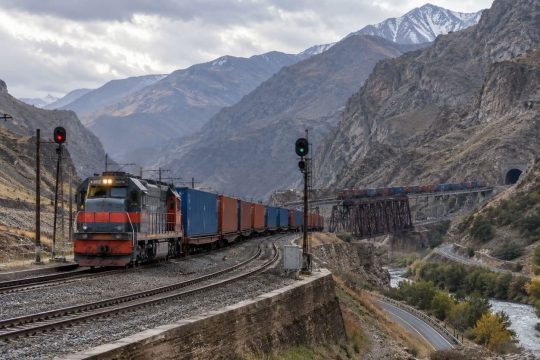
In an interview with Bun TV’s “Third Term” program, Nikol Pashinyan formulated an issue about Armenia’s railways that is much more important than the Armenian-Russian dispute over the concession.
«Բուն TV»-ի «Երրորդ ժամկետ» հաղորդաշարին տված հարցազրույցում Նիկոլ Փաշինյանը Հայաստանի երկաթուղու մասին ձևակերպեց մի խնդիր, որի նշանակությունը շատ ավելի մեծ է, քան կոնցեսիայի շուրջ հայ-ռուսական վեճը։
According to the Prime Minister, due to the fact that Armenia’s railways remain under Russian control, routes are being formed that can divert major international cargo flows from Armenia. The cargo will reach Nakhichevan via the Nrnadzor-Agarak section of TRIPP, and an alternative railway connecting Nakhichevan with Turkey is already being built to move west. In this scenario, Armenia could have TRIPP on its own territory and at the same time lose one of its largest transit opportunities.
Վարչապետի գնահատմամբ՝ Հայաստանի երկաթուղին ռուսական կառավարման ներքո մնալու պատճառով ձևավորվում են երթուղիներ, որոնք կարող են միջազգային հիմնական բեռնահոսքերը Հայաստանից հեռացնել։ TRIPP-ի Նռնաձոր-Ագարակ հատվածով բեռը կհասնի Նախիջևան, իսկ արևմուտք շարժվելու համար արդեն կառուցվում է Նախիջևանը Թուրքիայի հետ կապող այլընտրանքային երկաթուղի։ Այդ սցենարում Հայաստանը կարող է ունենալ TRIPP-ը սեփական տարածքում և միաժամանակ կորցնել դրա ամենամեծ տարանցիկ հնարավորություններից մեկը։
This is a paradox, but it is not a coincidence.
Սա պարադոքս է, բայց պատահականություն չէ։
In 2008, Armenia’s railway system was transferred to concession management by the South Caucasus Railways company, which operates under the control of Russian Railways. The property belongs to Armenia, the management to the concessionaire. The contract is intended for long-term management. It was concluded in a world whose economic and political logic almost does not exist today.
Հայաստանի երկաթուղային համակարգը 2008-ին կոնցեսիոն կառավարման հանձնվեց «Ռուսական երկաթուղիներ»-ի վերահսկողության տակ գործող «Հարավկովկասյան երկաթուղի» ընկերությանը։ Սեփականությունը Հայաստանինն է, կառավարումը՝ կոնցեսիոներինը։ Պայմանագիրը նախատեսված է երկարաժամկետ կառավարման համար։ Այն կնքվել է մի աշխարհում, որի տնտեսական ու քաղաքական տրամաբանությունը այսօր գրեթե գոյություն չունի։
In 2008, Russia was Armenia’s main security partner, the EAEU had not yet been created, the current system of Western sanctions did not exist, the Armenia-Turkey border was closed, leaving no prospect of peace between Armenia and Azerbaijan.
2008-ին Ռուսաստանը Հայաստանի գլխավոր անվտանգային գործընկերն էր, ԵԱՏՄ-ն դեռ ստեղծված չէր, արևմտյան պատժամիջոցների ներկայիս համակարգը գոյություն չուներ, Հայաստան–Թուրքիա սահմանը փակ էր, Հայաստան-Ադրբեջան խաղաղության հեռանկարի հնարավորություն ուղղակի չէր թողնում։
In 2026, the map is completely different.
2026-ին քարտեզն ամբողջությամբ ուրիշ է։
TRIPP brings Armenia into the communication system being formed from the Caspian Sea to the west. The government’s program also envisages restoring the Yeraskh-Nakhichevan and Gyumri-Akhurik-Khars railway connections. According to the logic presented by Pashinyan, cargo from Nakhichevan can enter Yeraskh, pass through the territory of Armenia, reach Akhurik and continue to Turkey. This route would make Armenia a real transit country, with a long railway line, services, logistics centers, jobs, and income.
TRIPP-ը Հայաստանը մտցնում է Կասպից ծովից դեպի արևմուտք ձևավորվող հաղորդակցային համակարգի մեջ։ Կառավարության ծրագրով նախատեսվում է վերականգնել նաև Երասխ–Նախիջևան և Գյումրի–Ախուրիկ–Ղարս երկաթուղային կապերը։ Փաշինյանի ներկայացրած տրամաբանությամբ բեռը Նախիջևանից կարող է մտնել Երասխ, անցնել Հայաստանի տարածքով, հասնել Ախուրիկ և շարունակվել Թուրքիա։ Այդ երթուղին Հայաստանը կդարձներ իրական տարանցիկ երկիր՝ երկար երկաթուղային ճանապարհով, ծառայություններով, լոգիստիկ կենտրոններով, աշխատատեղերով և եկամուտներով։
But other countries in the region are not waiting for Armenia.
Բայց տարածաշրջանի մյուս պետությունները չեն սպասում Հայաստանին։
Turkey has already begun construction of the 224-kilometer Kars-Igdir-Aralık-Dilujü railway. It will connect Turkey directly with Nakhichevan. This line gives cargo leaving the Nrnadzor-Agarak section a ready-made alternative to a western continuation, without using the Armenian Yeraskh-Akhurik line. The Turkish Ministry of Transport openly links the project to regional east-west communications.
Թուրքիան արդեն սկսել է 224 կիլոմետրանոց Կարս–Իգդիր–Արալըք–Դիլուջու երկաթուղու կառուցումը։ Այն Թուրքիան անմիջապես կապելու է Նախիջևանի հետ։ Այս գիծը Նռնաձոր–Ագարակ հատվածից դուրս եկած բեռին տալիս է արևմտյան շարունակության պատրաստ այլընտրանք՝ առանց Երասխ–Ախուրիկ հայկական գծի օգտագործման։ Թուրքիայի տրանսպորտի նախարարությունն այդ նախագիծը բացահայտ կապում է տարածաշրջանային արևելք–արևմուտք հաղորդակցության հետ։
The South Caucasus already has such experience. The Baku-Tbilisi-Kars railway created an Azerbaijan-Georgia-Turkey axis and left Armenia outside the main regional railway flow. Now Armenia has a rare opportunity to change this geography.
Հարավային Կովկասը նման փորձ արդեն ունի։ Բաքու–Թբիլիսի–Կարս երկաթուղին ստեղծեց Ադրբեջան–Վրաստան–Թուրքիա առանցք և Հայաստանը թողեց հիմնական տարածաշրջանային երկաթուղային հոսքից դուրս։ Այժմ Հայաստանը ստացել է այդ աշխարհագրությունը փոխելու հազվագյուտ հնարավորություն։
The issue presented by Pashinyan is related to relations between Russia and the West. In his assessment, international investors and freight forwarders view the Armenian railway under Russian control as a sanction risk and are looking for other routes. For the same reason, when presenting the government program in August, the prime minister proposed to the Russian side to transfer the concession rights to a third country acceptable to Armenia and Russia. On September 17, he confirmed that negotiations are ongoing.
Փաշինյանի ներկայացրած խնդիրը կապված է Ռուսաստանի և Արևմուտքի հարաբերությունների հետ։ Նրա գնահատմամբ՝ միջազգային ներդրողները և բեռնափոխադրողները ռուսական կառավարման տակ գտնվող հայկական երկաթուղին դիտարկում են որպես պատժամիջոցային ռիսկ և որոնում են այլ երթուղիներ։ Օգոստոսին կառավարության ծրագիրը ներկայացնելիս վարչապետը նույն պատճառով առաջարկել էր ռուսական կողմին կոնցեսիոն իրավունքը փոխանցել Հայաստանի և Ռուսաստանի համար ընդունելի երրորդ երկրի։ Սեպտեմբերի 17-ին նա հաստատեց, որ բանակցությունները շարունակվում են։
The issue here is no longer the attitude towards Russia. The issue is the competitiveness of the Armenian infrastructure. The railway is more than a road. Transit routes create economic geography. With the cargo come warehouses, logistics, insurance, service, production, investment. Over the years, all this has formed political weight.
Այստեղ հարցն արդեն Ռուսաստանի նկատմամբ վերաբերմունքը չէ։ Հարցը հայկական ենթակառուցվածքի մրցունակությունն է։ Երկաթուղին ճանապարհից ավելին է։ Տարանցիկ երթուղիները ստեղծում են տնտեսական աշխարհագրություն։ Բեռի հետ գալիս են պահեստները, լոգիստիկան, ապահովագրությունը, սպասարկումը, արտադրությունը, ներդրումը։ Տարիների ընթացքում այդ ամենը ձևավորում է քաղաքական կշիռ։
For decades, closed borders and conflict have limited Armenia’s transit opportunities. The peace process now provides an opportunity to give new economic and strategic value to that same geography.
Տասնամյակներ շարունակ փակ սահմաններն ու հակամարտությունը սահմանափակել են Հայաստանի տարանցիկ հնարավորությունները։ Խաղաղության գործընթացը հիմա հնարավորություն է տալիս այդ նույն աշխարհագրությանը նոր տնտեսական և ռազմավարական արժեք տալ։
That opportunity will not materialize automatically.
Այդ հնարավորությունը ինքնաբերաբար չի իրականանա։
The international freight forwarder chooses a fast, predictable, politically secure and competitive route. The shortest line on the map does not always become the real route. The existing infrastructure, the simplicity of ownership and management, the risks of sanctions, the tariff and border procedures ultimately determine the path of the cargo.
Միջազգային բեռնափոխադրողը ընտրում է արագ, կանխատեսելի, քաղաքականապես անվտանգ և մրցունակ ճանապարհ։ Քարտեզի վրա ամենակարճ գիծը միշտ չէ, որ դառնում է իրական երթուղի։ Գործող ենթակառուցվածքը, սեփականության ու կառավարման պարզությունը, պատժամիջոցային ռիսկերը, սակագինը և սահմանային ընթացակարգերը վերջնական արդյունքում որոշում են բեռի ճանապարհը։
It is for this reason that the issue of the Russian concession has entered the strategic agenda of Armenia.
Հենց այս պատճառով ռուսական կոնցեսիայի հարցը մտել է Հայաստանի ռազմավարական օրակարգ։
In 2008, that agreement concerned the management of the Armenian railway. By 2026, it may already affect Armenia’s place in the new Eurasian communication map.
2008-ին այդ պայմանագիրը վերաբերում էր հայկական երկաթուղու կառավարմանը։ 2026-ին այն արդեն կարող է ազդել Հայաստանի տեղին նոր եվրասիական հաղորդակցային քարտեզում։
Pashinyan’s warning in this sense is very specific: Armenia can build a historical project passing through its territory and in the end watch how the main cargo flows choose a different route after a few dozen kilometers.
Փաշինյանի զգուշացումն այս իմաստով շատ կոնկրետ է․ Հայաստանը կարող է կառուցել իր տարածքով անցնող պատմական նախագիծը և վերջում դիտել, թե ինչպես են հիմնական բեռնահոսքերը մի քանի տասնյակ կիլոմետր հետո ընտրում ուրիշ ճանապարհ։
A transit state is not just a state that has a road; a transit state is a country through which it is profitable to pass.
Տարանցիկ պետությունը միայն ճանապարհ ունեցող պետություն չէ՝ տարանցիկ պետությունը այն երկիրն է, որի ճանապարհով շահավետ է անցնել։
Armenia now faces this very competition.
Հայաստանի առաջ հիմա հենց այդ մրցակցությունն է։
Comments
No comments yet — be the first to comment.
More from 1in.am

Democracy must be protected: political status does not exempt from criminal liability
1in.am / 30 minutes ago
The geopolitical cost of a nuclear power plant
1in.am / 32 minutes ago

Pashinyan visited the festival of national culture and cuisine with the leaders of the CIS countries
1in.am / 35 minutes ago

Nikol Pashinyan met with Masoud Pezeshkian
1in.am / 39 minutes ago
Related coverage

Will Pashinyan leave for Baku? He had warm conversations with Lukashenko and Aliyev I NEWS I 12:00
News.am / 18 minutes ago
Construction of the new road to Nrnadzor is delayed again
168 Jham / 21 minutes ago

Armenia is preparing to host COP17
Armenpress / 22 minutes ago

Pashinyan-Pezeshkian meeting in Turkmenistan // Teacher arrested for slapping child in Sisian. NEWS
Factor.am / 22 minutes ago