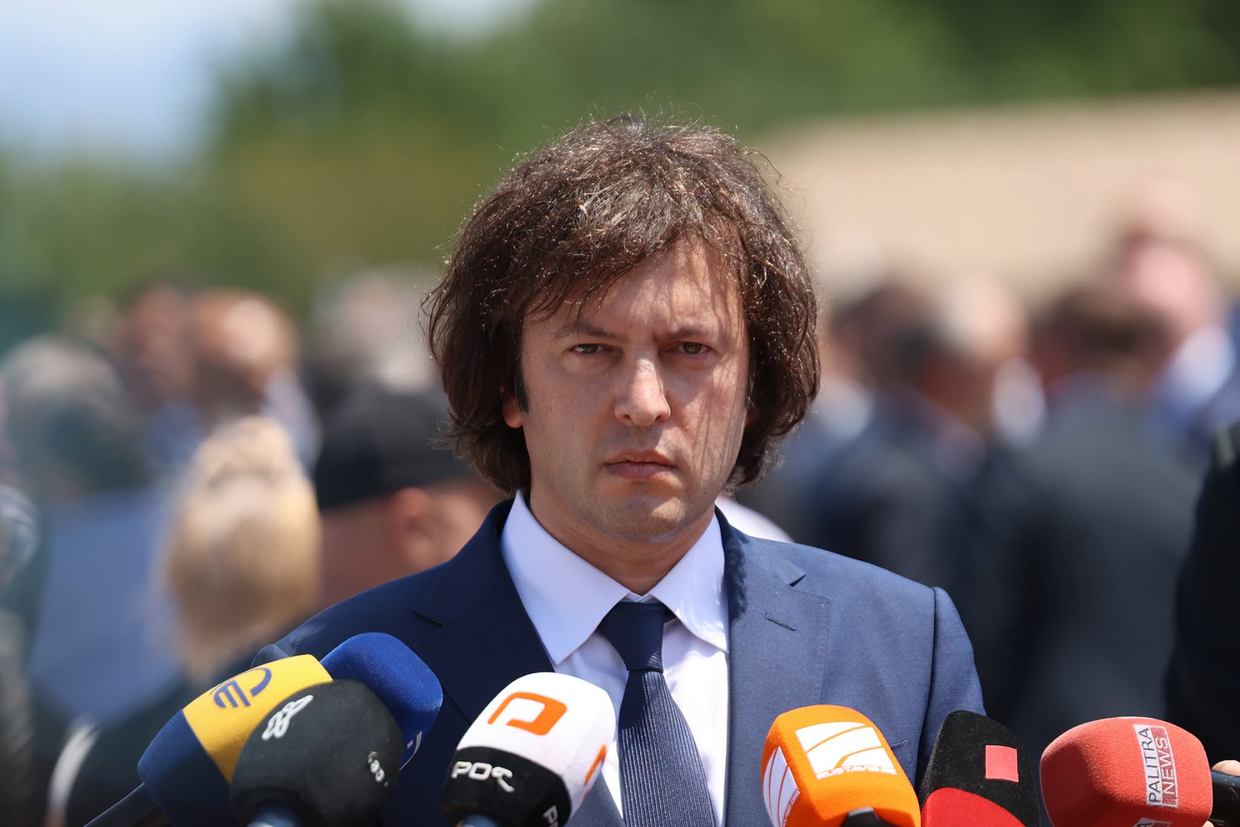
GeorgiaGeorgia now says NGOs in general are wrong, shuts down own grants agencyby Mikheil Gvadzabia (Updated: 19 days ago )• 4 min readShare▲Irakli Kobakhidze. Photo: Government of Georgia.Georgia’s Prime Minister Irakli Kobakhidze has announced the gradual closure of the grants agency, which was intended to fund state-approved NGOs after the introduction of the foreign agents law. This time, Kobakhidze attacked not only government-critical groups, but the entire concept of an NGO, calling it an ‘artificial phenomenon created for foreign intervention’. ‘The sole purpose of an NGO can be one state’s intervention in another. That is why NGOs were invented in the first place’, Kobakhidze told reporters on Thursday. ‘Therefore, it would be for us to invent NGOs [ourselves] and fund such activities’, he said, adding that the agency would be shut down by the end of the year. Officially named the State Grants Management Agency, the body was established in April 2025 with the backing of parliament which was controlled by the ruling Georgian Dream party and a government decree signed by Kobakhidze. The stated aim of the agency was funding groups that would be ‘in line with the priority areas of the country’s development’, as an alternative to ‘foreign actors’ who ‘arbitrarily determine the agenda of the activities of these organisations’. The Georgian government had been awarding various types of grants, including for startups and educational projects, prior to the agency’s establishment. The separate agency initiative came amid the government’s sweeping legislative restrictions on international funding for civil society and independent media. On Thursday, Kobakhidze described NGOs without exception as a tool for foreign intervention. ‘When we established the agency, it became clear that this is the case’, he said, without explaining what he meant or what had happened during the agency’s brief operation to prompt the ruling Georgian Dream party to close an institution it recently created. As of November 2025, the agency had awarded a total of ₾1.7 million ($653,000) in grants to 17 organisations, funding projects spanning social services, education, healthcare, disability inclusion, civic participation, environmental protection, research and technology. Some of the organisations had been established just months before receiving the grants. Little is known about the agency’s recent activities, with its public presence having declined and its latest social media posts consisting of Christmas and New Year greetings. In January 2026, Tamar Zodelava, who had headed the agency, was appointed as a deputy justice minister. She was replaced by Tatia Naneishvili, her deputy at the agency. Commenting on Kobakhidze’s latest announcement, former Georgian Young Lawyers’ Association (GYLA) chair Nona Kurdovanidze noted the agency’s establishment was ‘a performative step’ intended to soften the perception of the unprecedented scale of restrictions on foreign funding at the time. ‘Apparently, there is no longer any need for that either’, she added. Since spring 2024, Georgian Dream has adopted a series of legislations restricting funding for civil society and media organisations, many of which had previously relied heavily on international grants. The party first passed the highly controversial foreign agents laws, but after much of the civil sector refused to comply, it introduced further legislative changes that banned receiving foreign grants without the consent of the authorities. Condemning Georgian Dream’s policies, the ruling party’s critics have repeatedly pointed out that several of its figures and allies previously worked with international civil society organisations. Kobakhidze himself worked with the Open Society Foundation (founded by billionaire George Soros) in 2012–2013 and received remuneration for his work. Earlier, from 2006 to 2014, he worked as an expert and manager on a UNDP project focused on local government, while in 2000–2001 he was a regional coordinator for a USAID civic education project. In 2016, while serving as parliament speaker, Kobakhidze thanked NGO representatives at a meeting for what he called ‘the very important contribution’ they made to ‘the development of the country and society’. ‘This contribution is truly invaluable’, he added. Meanwhile, current Parliament Speaker Shalva Papuashvili, one of the party’s most prominent figures and a vocal critic of civil society, worked in various positions at the German development agency GIZ from 2007 to 2020. Mikheil joined OC Media after a long career as a journalist at Netgazeti, focusing on politics, human rights and the wider region. He has an academic background in Arabic Studies and maintains a strong interest in Arabic language, Egyptian cinema, and the 2011 Arab Spring uprisings.
Already in English.
3 full-article translations/day — headlines & summaries always free. Create free account for 25/day
Georgia now says NGOs in general are wrong, shuts down own grants agency
The entity was created in 2025 following the introduction of laws restricting foreign grants.
Comments
No comments yet — be the first to comment.
More from OC Media
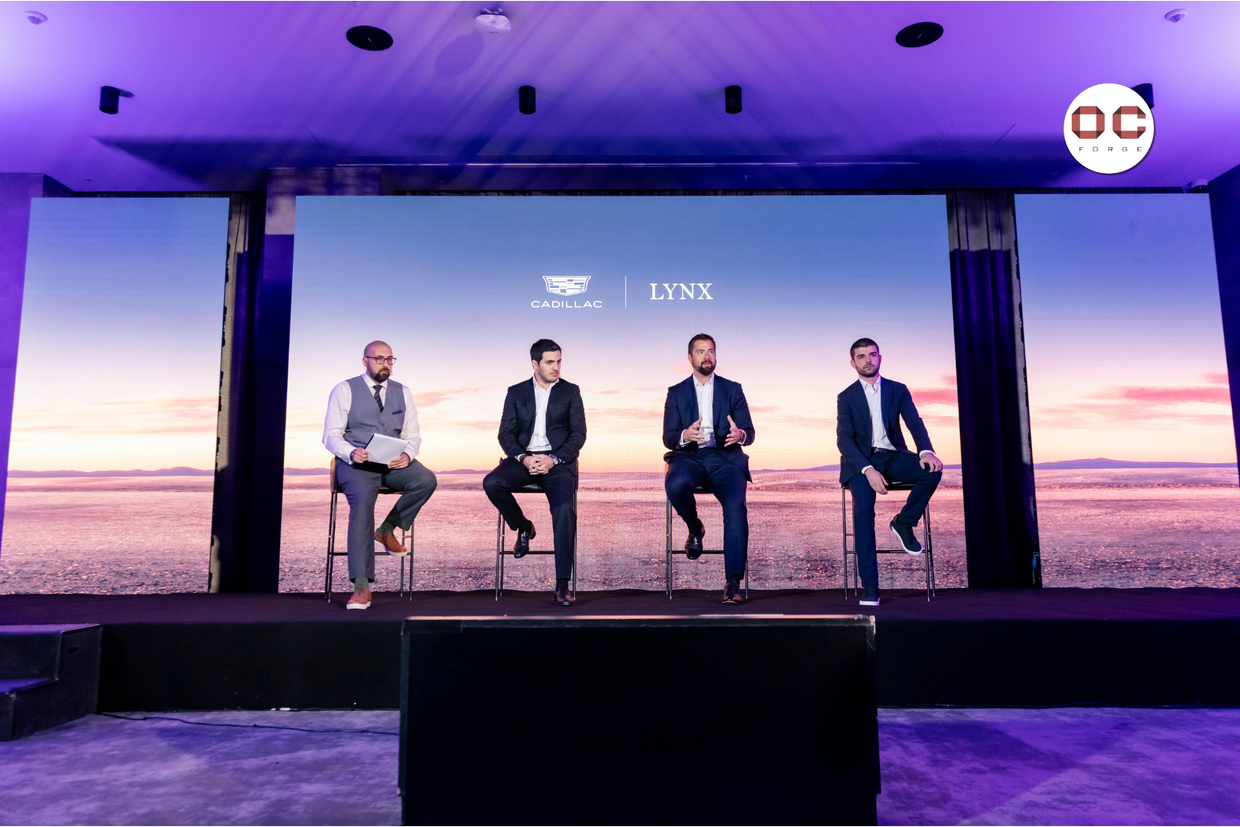
American Brand Cadillac Coming Soon to Georgia’s Premium Automotive Market
OC Media / 8 hours ago

Pankisi educational centres evicted after losing funding due to Georgia’s grant laws
OC Media / 9 hours ago

Armenia and Turkey discuss restoring Gyumri–Kars power line
OC Media / 10 hours ago

Georgian prisoners allege they were punished for expressing solidarity with Giorgi Davitadze
OC Media / 10 hours ago
Related coverage

Բայրամովն ԱՄՆ հատուկ ներկայացուցչի ավագ խորհրդականի հետ քննարկել է TRIPP-ը
168 Jham / 1 hour ago
Աբդուլահ Գյուլ. Իրանը պետք է առավելագույն օգուտ քաղի արդեն ձեռք բերվածից
Mediamax / 3 hours ago
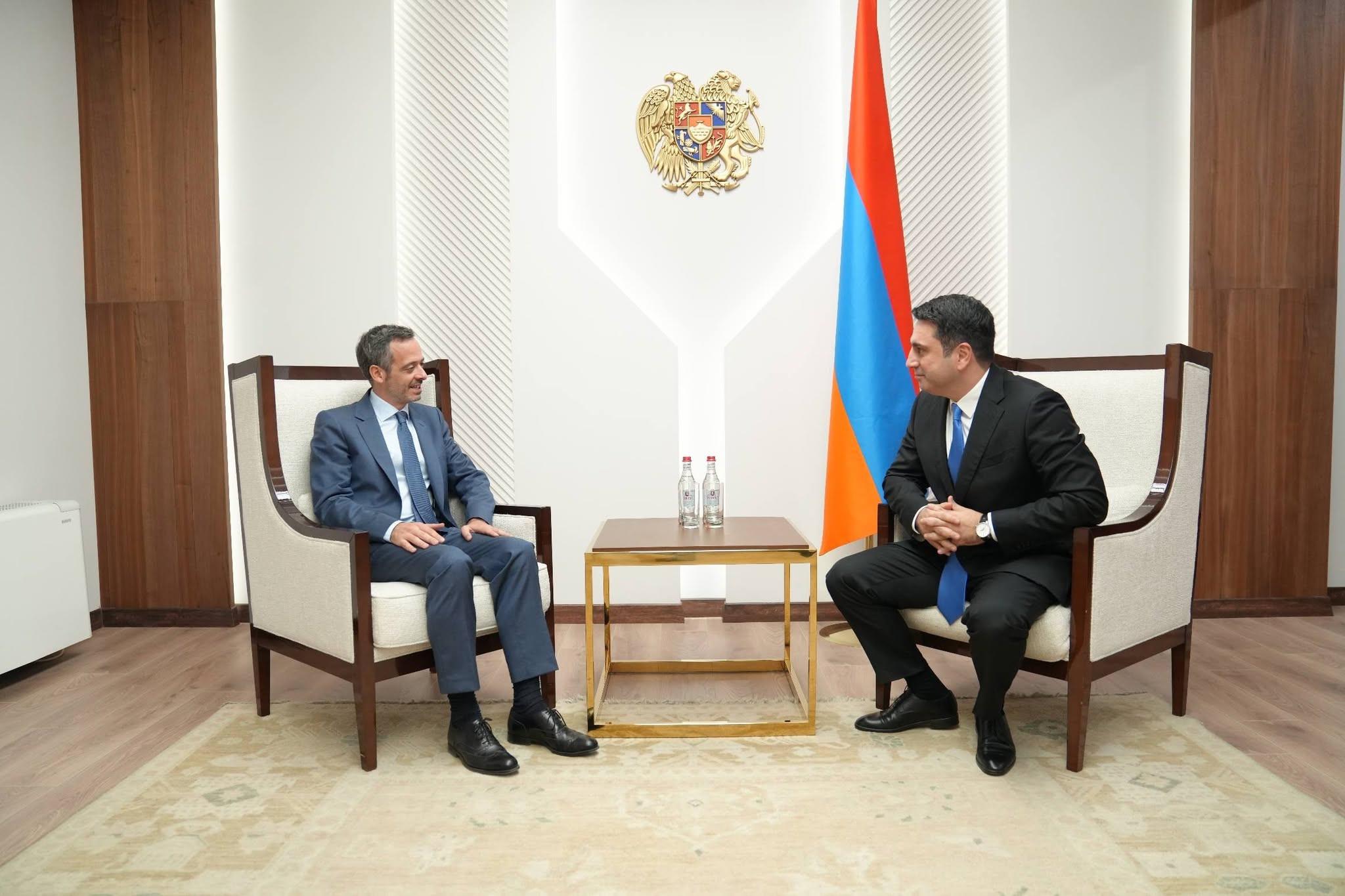
ԱԽ քարտուղար Ալեն Սիմոնյանն ընդունել է Հայաստանում Ֆրանսիայի նորանշանակ դեսպան Ֆլորիան Էսկյուդիեին
Hetq / 4 hours ago

Айк Саркисян исключен из рядов правящей в Армении партии
Sputnik Armenia / 5 hours ago