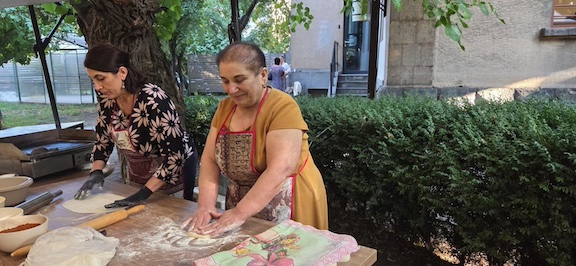
YEREVAN — The sweet aromas of Zhingyalov Hats—an Armenian flatbread filled with fresh herbs and greens—and baklava spread through the courtyard of Yerevan’s 6 Marshal Baghramyan Avenue. Here, Armenian women from Artsakh prepare the delicious traditional dishes of Artsakh, offering them to guests at the official launch of the “Digital House of Artsakh Culture” online platform. Donara has baked and sold Zhingyalov Hats in Artsakh’s capital Stepanakert Market for 36 years. In Yerevan, she says, she started from scratch. “We took a place, a cafe, and opened the same business here.” Donara is not dissatisfied with the business, she has regular customers, both from Artsakh and Yerevan. All the greens required to make Zhingyalov Hats—such as kendzmindzuk, jirjirok, tertinjuk, penjyar and teluk—are brought from the town of Masis. Back in Stepanakert, the women from Hadrut used to grow and sell them to Donara. Those women now live in Masis. Donara still buys from them. “Thank God, my youngest son, who was wounded in the 44-day war, recovered. Now I do this work with him. He is organizing the deliveries, bringing the greens,” she said. Donara’s eldest son works as a car mechanic. There is work, she says, “It’s true that we don’t have a house yet, but a door will open.” She has no intention of going to Russia or any other country. “This is still our land, what can I do in another country? Well, those who left are also coming back. In any case, this is our country, our Armenians. Whoever comes back, says the child does not leave the house, he is afraid. But here is our Armenians. I can hardly come to terms with reality. I have a dream that we shall return [to Artsakh]. When they say it’s ours [again], I will probably go first.” The “Digital House of Artsakh Culture” project was presented to the participants of the launch by the deputy director of the “We Are Our Mountains” development agency, project manager Narine Aghabalyan. “Three years ago, we [Artsakh Armenians] were thinking about overcoming unspeakable difficulties and deprivations and clinging to our land. We were ready to resist and endure until the door of hope opened. Unfortunately, that door did not open. There was the forced displacement of the people of Artsakh,” Aghabalyan said. “We went away from our homeland, leaving behind our holy places, our churches, the hand-made monuments of our thousand-year history. It is sad to see, three years later, especially these days, what is happening in de-Armenianized Artsakh. How the Azerbaijani authorities have organized another demonstration visit and organized another ‘master class’ in the falsification of Artsakh’s history for foreign diplomats in already occupied Artsakh. And we, alas, do not have many levers to stop the ongoing cultural genocide in Artsakh today,” Aghabalyan added. She emphasized that the “Digital House of Artsakh Culture” platform is an opportunity to preserve the intangible Armenian cultural heritage of Artsakh. This project has been undertaken and implemented with great responsibility. It belongs to the “We Are Our Mountains” development agency founded by Ruben Vardanyan—former Artsakh state minister and well-known entrepreneur and philanthropist, who is now being held in a prison in Baku, the capital of Azerbaijan. “We implemented the project with the support of the Calouste Gulbenkian Foundation and thanks to the joint work of dedicated specialists,” the project manager noted and presented how they collected, grouped, classified, and created a complete map of the culture of Artsakh, deprived of its natural area. This is a major digital project, the main goal of which is to unite and preserve the entire historical and cultural heritage of Artsakh online. The “Digital House of Artsakh Culture” platform was formed as an environment for the preservation and transmission of collective memory, living knowledge and identity. The materials presented here reveal the multi-layered world of Artsakh culture: oral traditions, linguistic wealth, rituals, arts and crafts, knowledge about nature and the universe. The “Digital House of Artsakh Culture” is a unified repository of historical documents, maps and studies, it is accessible to both the public and international scholars. It will not allow the Armenian trace to be erased. “The work does not end there. This platform needs constant development and will not be limited only to the materials posted,” emphasized the project experts Armen Sargsyan, Lernik Hovhannisyan, and the platform’s content manager Lusine Margaryan. The work will continue and the “Digital House of Artsakh Culture” will become a living source of identity recognition and continuity and a belief that Artsakh lives as long as we remember, as long as we speak, as long as we tell…
Already in English.
3 full-article translations/day — headlines & summaries always free. Create free account for 25/day
‘Digital House’ Preserves Intangible Cultural Heritage of Artsakh
The sweet aromas of Zhingyalov Hats—an Armenian flatbread filled with fresh herbs and greens—and baklava spread through the courtyard of Yerevan’s 6 Marshal Baghramyan Avenue.
Comments
No comments yet — be the first to comment.
More from Asbarez
Related coverage
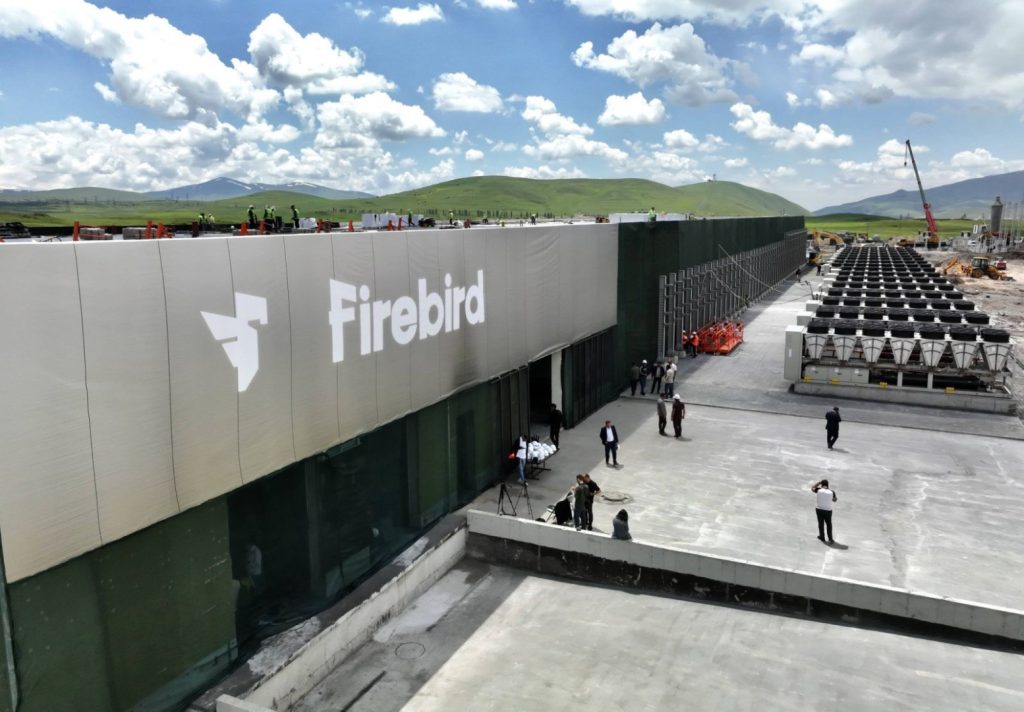
Minister Calls Russian TV Assessment of Hrazdan’s Firebird AI Center “Politicized”
MassisPost / Oct 1
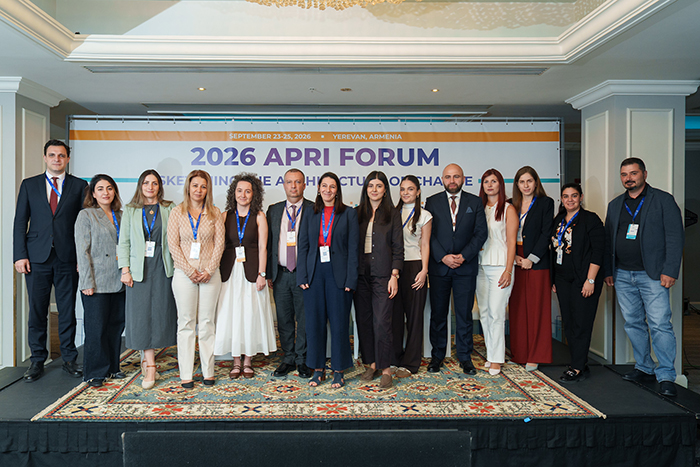
APRI Forum 2026 Sets Vision for Armenia’s Strategic Future and Regional Connectivity
MassisPost / Sep 30
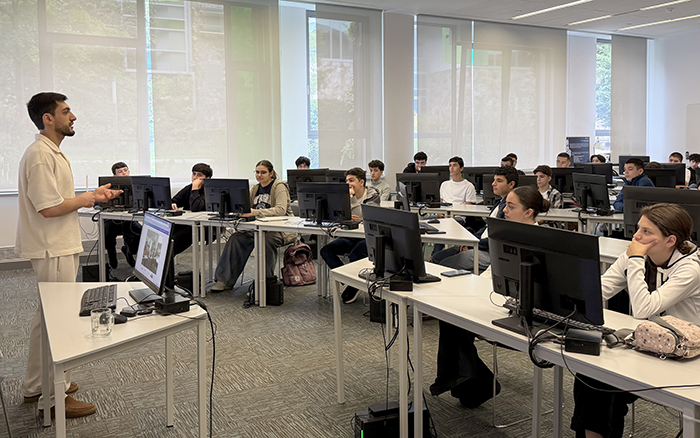
Samsung Innovation Campus at UWC Dilijan Welcomed the Fifth Cohort of Students for the 2026-2027 Academic Year
MassisPost / Sep 28
Armenian Bar Association Releases Report Advancing U.S.–Armenia Cooperation in AI, Semiconductors, and Advanced Technology
The California Courier / Sep 25